
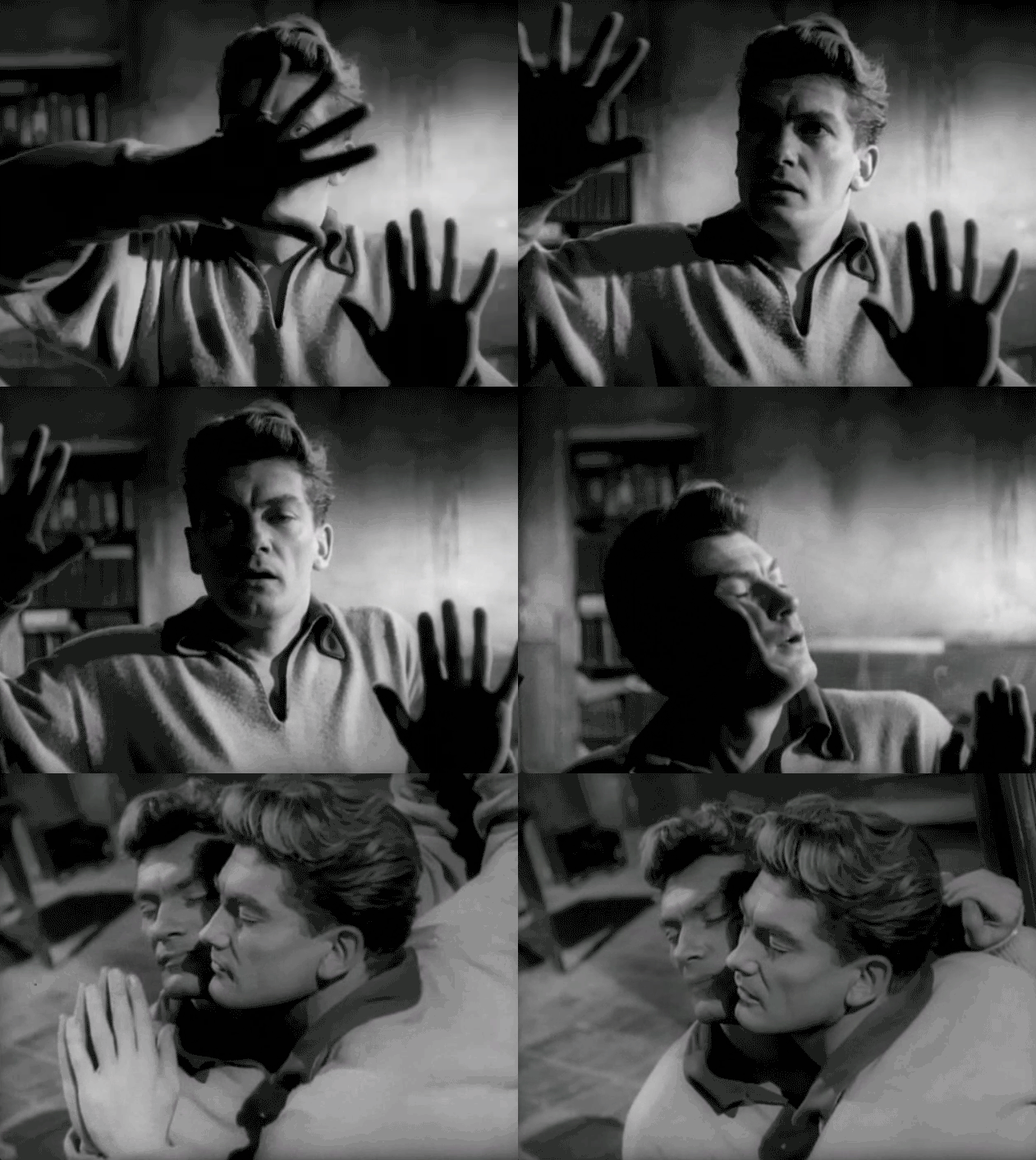
Jean Marais in Jean Cocteau’s Orpheus (1950)
Jean Marais in Jean Cocteau’s Orpheus (1950)

Fold-out letter from Alfred Joseph Frueh to his fiancée Giuliette Fanciulli, Jan. 10, 1913. Frueh was an American caricaturist, cartoonist and illustrator. (source)

Steve Ditko: Strange Tales #146 (July, 1966)
Eternity was created as the second sentient force supporting Creation. Before Eternity, there was a single universe, whose animating force was the primal cosmic being that would later call itself The First Firmament. The First Firmament was attacked by its creations, The Celestials, during the catastrophic cosmic war that erupted between them and their counterpart creations, The Aspirants. The climax of that war resulted in the Celestials’ weapons tearing the first universe apart. The core essence of the First Firmament and the surviving Aspirants desperately fled to the void Outside creation. The torn fragments of the sundered first universe then coalesced into a new being that animated a new Reality that was made up of hundreds of universes. This Second Creation was the birth of the Multiverse and its animating force would later be called by the living entities within it Eternity. Creation would then evolve, die and be reborn six more times, each time evolving and changing to add new realities, forces and properties to itself-and all these changes would be reflected in the corresponding rebirth of Eternity. Therefore, after the destruction and rebirth of the Multiverse by the Beyonders, Eternity is in his 7th incarnation. (Wikipedia)

Eric Ravilious: Train Landscape (1940)
The background of this painting features the Westbury White Horse, a figure on the slope of Salisbury Plain in England. As the earliest documentation dates from 1742, the horse was likely created in the first part of the eighteenth century, possibly in honor of the then new British Royal Family, the House of Hanover.
At one time, many believed the horse was created in 878, in honor of King Alfred’s victory at the Battle of Ethandun; this theory was debunked by Downside Abbey monk Dom Illtyd Trethowan in Alfred and the Great White Horse of Wiltshire, published in 1939.

Augustus Leopold Egg: The Travelling Companions (1862)
The city in the background of this painting is Menton, on the Côte d’Azur, which had become a popular destination for sufferers of tuberculosis following the 1861 publication of Dr. James Henry Bennet’s Winter and Spring on the Shores of the Mediterranean.
The cool, but pleasant temperature, the stimulating influence of the sunshine, the usual absence of rain or of continued rain, the moderate dryness of the air, render daily exercise out of doors both possible and agreeable. Indeed, in such a region life may be spent out of doors throughout the winter. Such an existence, in such conditions, has a direct tendency to create and to maintain the appetite, to improve the digestive and nutritive functions.
The pores of the skin, also, are kept permanently open throughout the winter, and thus the lungs are relieved of the extra burden which is always thrown upon them in northern climates, when the cold damp of winter supervenes. It is, indeed, because the functions of the skin, as an excretory organ and as a purifier of the blood, are all but arrested by the cold in our climate, that sore- throat, influenza, bronchitis, and kidney diseases in general are so prevalent in winter, or existing, become so aggravated. The work of blood-purification, accomplished in warm weather by the skin, is thrown in winter on the mucous membranes of the lungs and air passages, and on the kidneys. These organs are congested, choked, as it were, and succumb to this extra work, the blood itself becoming poisoned by deficient purification from worn out materials. Hence the colds or mucous membrane inflammations, and the fever that accompanies them, in the winter season of the north, as likewise various other forms of chest and kidney disease. Hence also the comparative immunity from these affections on the Riviera….
Phthisis is essentially a disease of debility. It principally attacks those who have received organizations deficient in vitality from their parents, or who have injured the vitality of an originally good constitution by excesses of any kind, or in whom such a constitution has been impaired by over work, or by hardships and privations independent of their own will. In such a disease—one essentially of defective vitality—a bracing, stimulating climate, such as I have described, must be beneficial, and has been most decidedly so, both in my own case and in those of the many whom I have attended. With the assistance of sunshine, a dry, bracing atmosphere, a mild temperature, and rational sthenic treatment, hygienic, dietetic, and medicinal, I have found pulmonary consumption in this favoured region, especially in its earlier stages, by no means the intractable disease that I formerly found it in London and Paris. After ten winters passed at Mentone, I am surrounded by a phalanx of cured or arrested consumption cases. This curative result has only been attained, in every instance, by rousing and improving the organic powers, and principally those of nutrition. If a consumptive patient can be improved in health, and thus brought to eat and sleep well, thoroughly digesting and assimilating food, the battle is half won ; and the principal benefit of the winter climate of the Riviera is the assistance it gives the physician in attaining this end. Amongst the consumptive patients I have attended, those who were in the early or even secondary stages of the disease, and had vitality and constitutional stamina left, have mostly done well. I have seen, in many young persons, well-marked, crude tubercular deposits disappear, gradually absorbed. In various cases of accidental phthisis in middle-aged, over-worked men, the amelioration has been still more apparent. I have seen well-marked cavities become partly or entirely cicatrized, and the constitutional symptoms gradually subside ; the general health and strength steadily improving. (source)
It’s also the train car that Alice takes in Through the Looking-Glass:

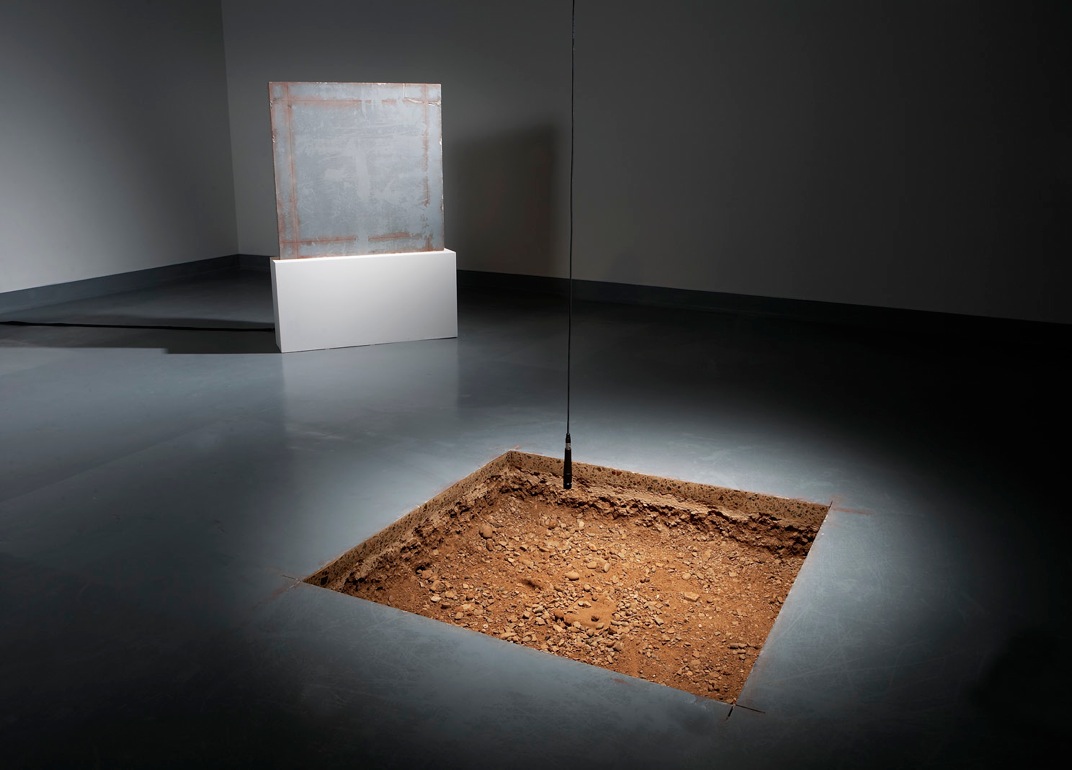
For their 2009 piece Do You Remember When?, the indigenous arts collective Postcommodity cut through the floor of the Arizona State University Art Museum, exposing the earth below. A recording of a Pee Posh social dance song played in the background. (source)

William Holbrook Beard: The Wreckers (1874)
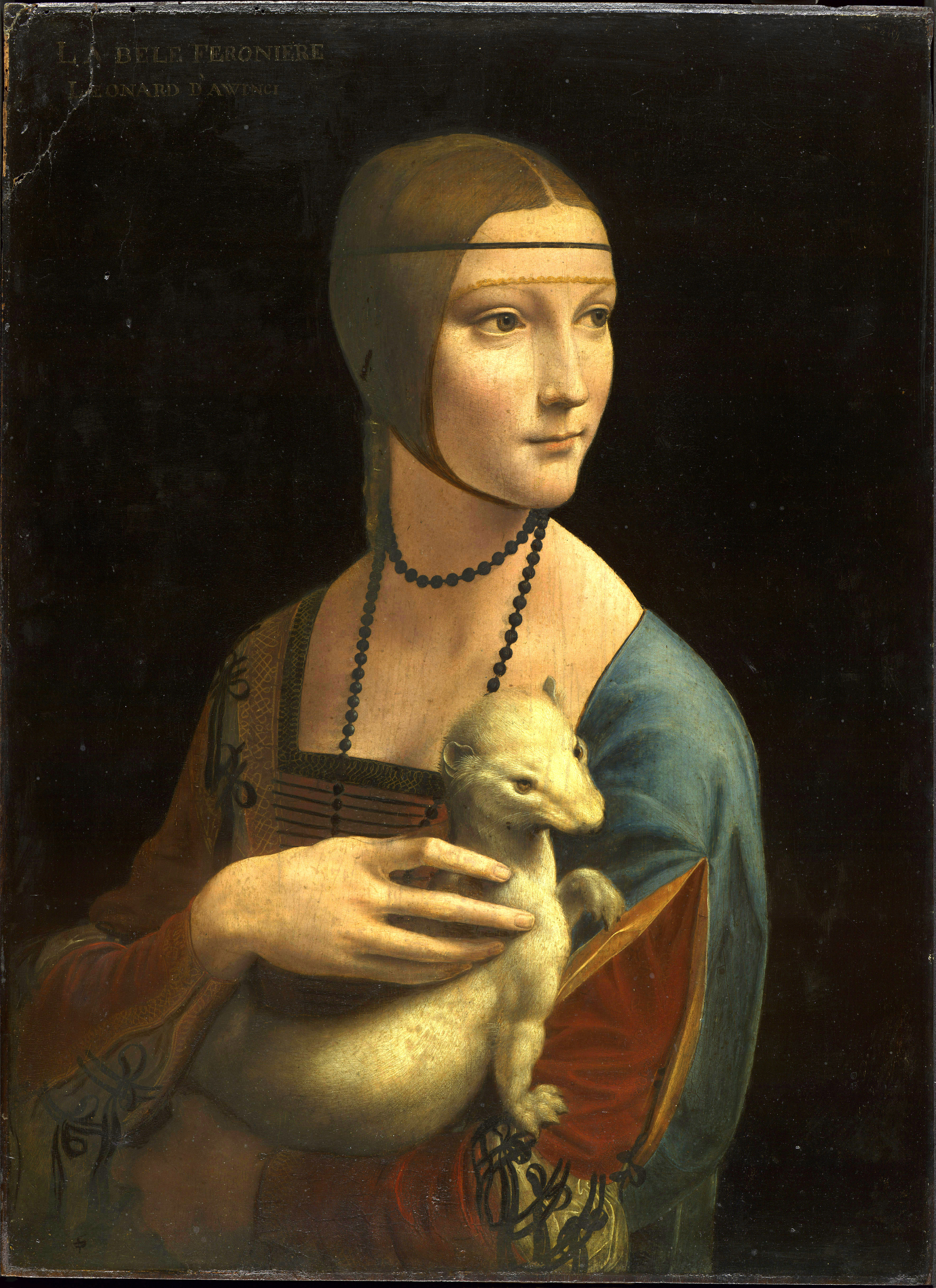


Leonardo da Vinci: Lady with an Ermine [Cecilia Galleran] (1489–1490)
Awol Erizku: Lady with a Pitbull (2009)
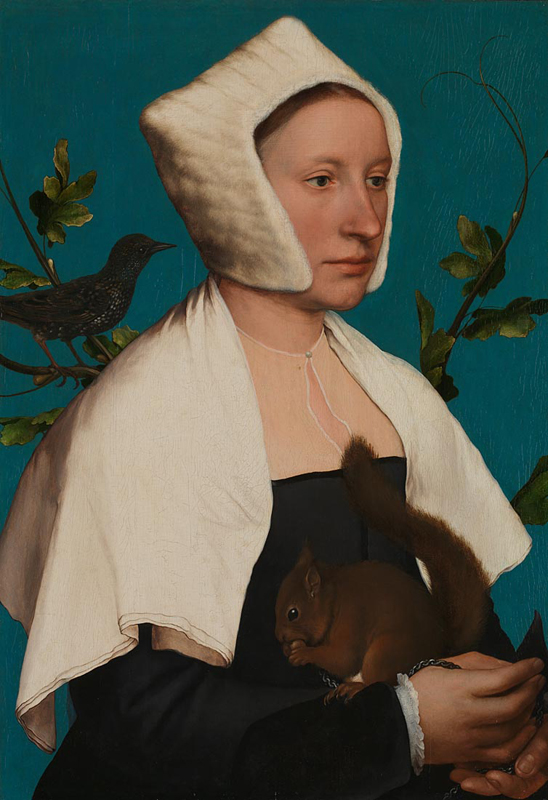
Hans Holbein: Portrait of a Lady with a Squirrel and a Starling
[probably Anne Lovell] (c. 1526-28)
Frida Khalo: Self-Portrait with Monkeys (1943)

Ernest Thompson Seton: The Sleeping Wolf (1891)

George Frederic Watts: After the Deluge (The Forty-First Day) (1886–1891)


 corvusfugit.com