

Antonio del Pollaiuolo: Battle of the Nudes (c. 1470-1475)
Antonio del Pollaiuolo: Battle of the Nudes (c. 1470-1475)
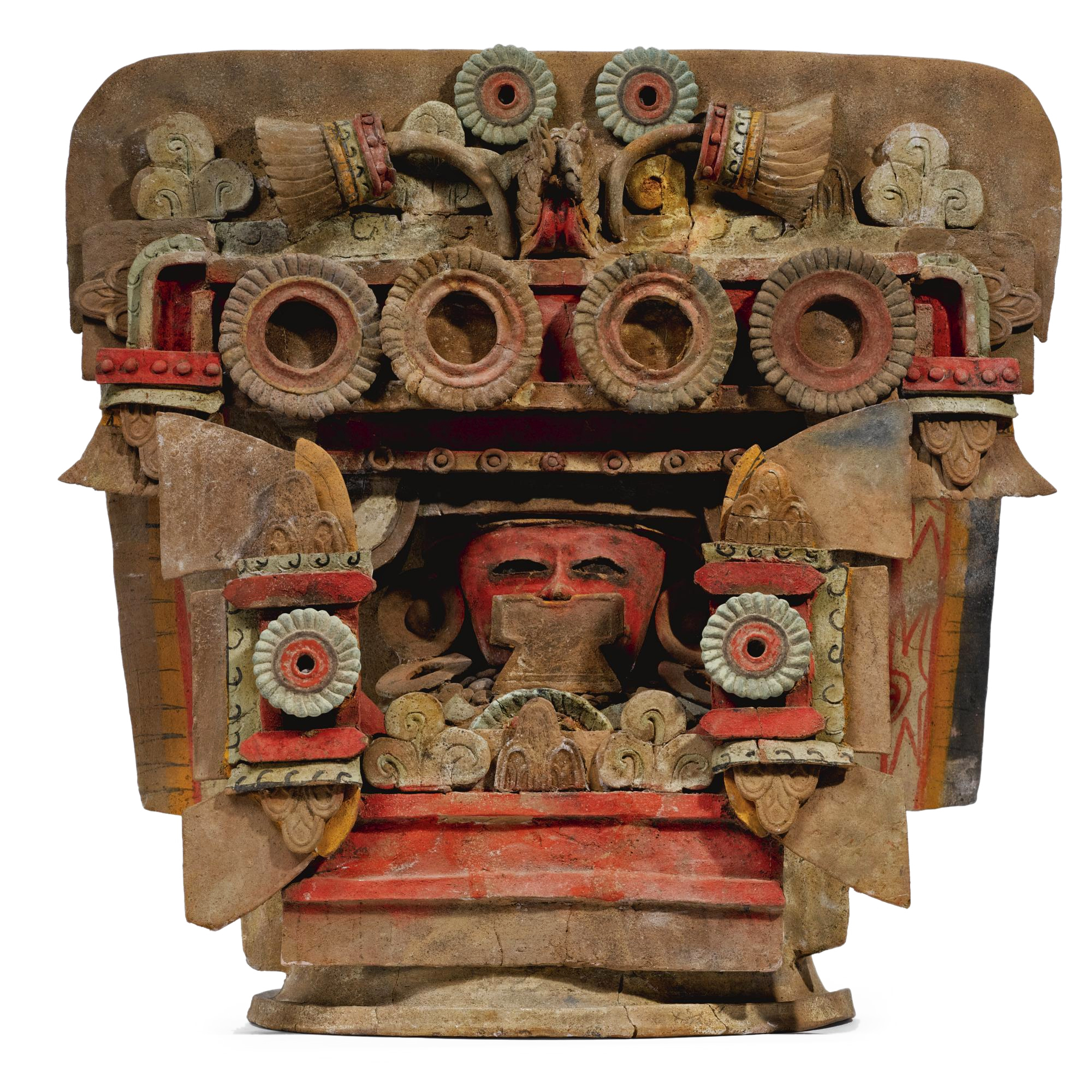
Teotihuacan cencer lid (c. 450-650)

Thomas Alexander Harrison: Twilight on the Shore; I made up the date. Harrison was the inspiration for the character Elstir in Proust’s Remembrance of Things Past.
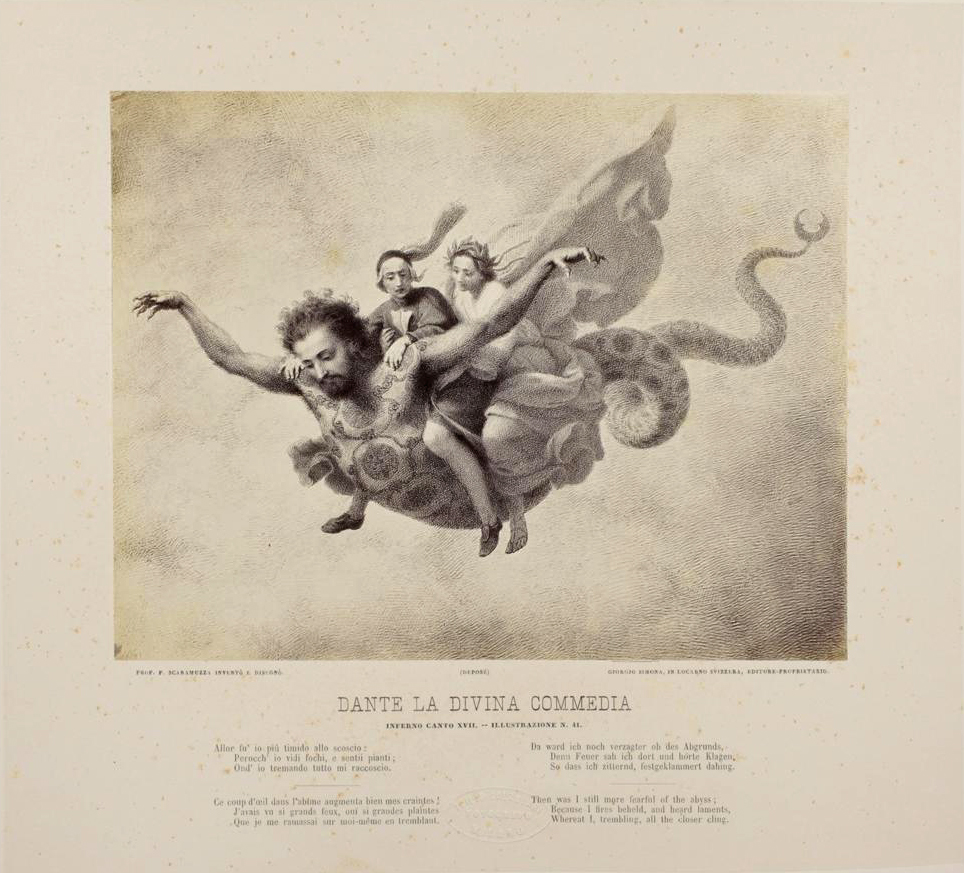
In cantos XVI and XVII of the Inferno, Dante and his guide Virgil meet the monster Geryon, who alights on the edge of the abyss after Virgil has summoned him. In front, he has the face of an innocent man, but, behind, his body is a hideous combination of reptile, beast, and scorpion. After he lands, Virgil tells Dante to go and meet the sinners—usurers—in this circle of Hell. After doing so, Dante returns to Virgil, who has already mounted the creature. Dante mounts in front, Virgil’s arms around him, and Geryon ascends into the air, finally dropping the poets off in the next circle down.
Geryon has always been identified as an allegorical figure for fraud, but the specific language Dante uses tells us that he is particularly worried about how art can used to defraud. It must be “quel ver c’ ha faccia di menzogna”—a truth with the face of a lie—instead of what Geryon is: a lie with the face of truth. Geryon “venir notando“—comes swimming—through the air, but notare also means to note down, to write. He is an “imagine di froda“—an image, a representation, who is “dipinti“—painted—with knots and spirals and he has, like all art that leads astray, a poisonous “coda”: a deceitful lesson at the end.
There is also a weird metaphor about Germans and beavers:
I’ vidi per quell’aere grosso e scuro
venir notando una figura in suso,
maravigliosa ad ogne cor sicurosì come torna colui che va giuso
talora a solver l’àncora ch’aggrappa
o scoglio o altro che nel mare è chiusoche ‘n sù si stende e da piè si rattrappa.
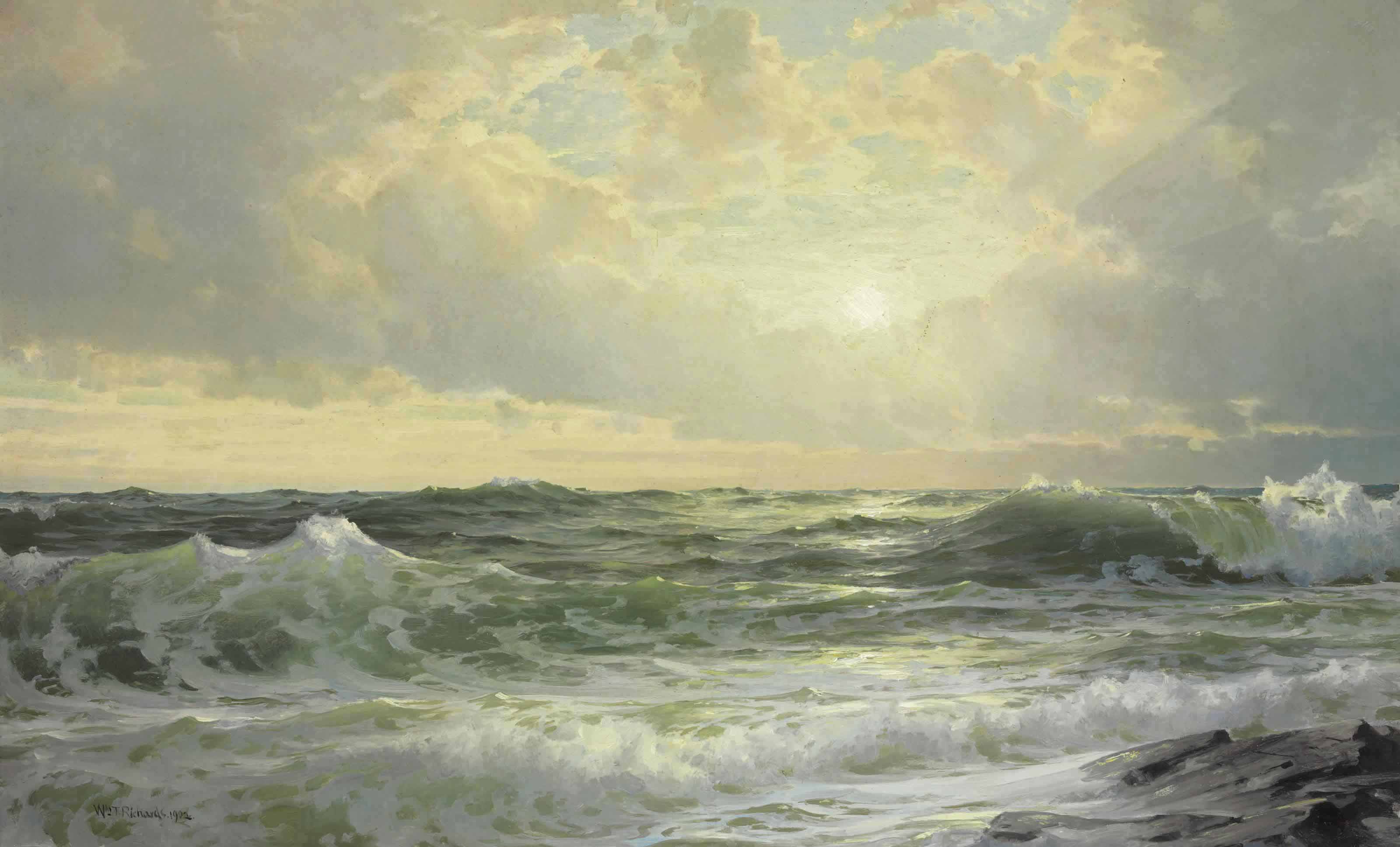
William Trost Richards: Sunset at Cape Ann, Massachusetts (1902)
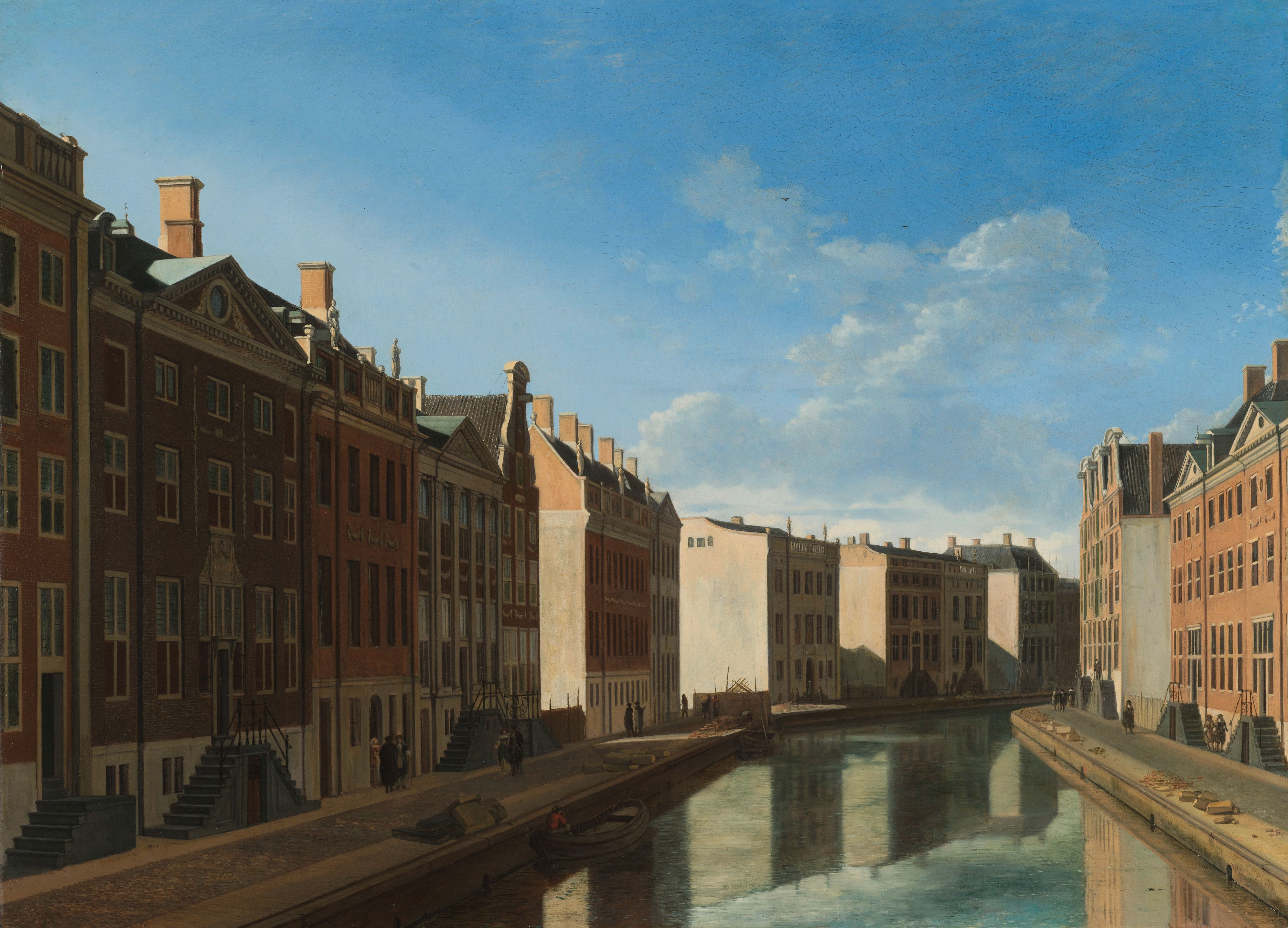
Gerrit Adriaenszoon Berckheyde: View of the Golden Bend in the Herengracht (1671-72)

1968 Hot Wheels Mustang

Alex Mawimbi (formerly Ato Malinda): Looking at Art; Looking at Africa; Looking at Art (2009); “for the length of one hour, the performer crawls from one lying position on mangled concrete, to a standing position at a pile of soil. Passing, on the way, stick and stone effigies.” (source)

αγε νυν οι πλουϲιοι κλαυϲατε ολολυ ζοντεϲ επι ταιϲ ταλαιπωριεϲ υμω ταιϲ επερχομε ναιϲ ϋμιν ο πλου τοϲ ϋμων ϲεϲη πεν και τα ϊματι α ϋ μων ϲητοβρω τα γεγονεν · ο χρυϲοϲ ϋ μων και ο αργυροϲ κατϊωται και ο ϊοϲ αυτων ειϲ μαρτυριον υ μιν εϲτε και φαι νετε ταϲ ϲαρκαϲ ϋ μω ωϲ πυρ εθηϲαυρι ϲατε εν εϲχαταιϲ ημεραιϲ ϊδου ο μιϲθοϲ των εργα των των αμηϲαν των ταϲ χωραϲ ϋ μων ο αφυϲτερη μενοϲ αφ υμων κραζει και αι βοαι των θεριϲαντω ειϲ τα ωτα κυ ϲαβα ωθʼ · ειϲεληλυθαϲι ετρυφηϲατε επι τηϲ γηϲ και εϲπατα ληϲατε εθρεψατε ταϲ καρδιαϲ ϋ μω εν ημερα ϲφαγηϲ κατεδικαϲατε ε φονευϲατε τον δικαιον ουκ αντι ταϲϲεται ϋ μιν
μακροθυμηϲατε ουν αδελφοι εωϲ τηϲ παρουϲιαϲ του κυ ϊδου ο γεωργοϲ εκδεχεται τον τι μιον καρπον τηϲ γηϲ μακροθυμω επ αυτω εωϲ αν λαβη καρπον τον προϊμον και οψι μον μακροθυμηϲατε ουν και ϋμιϲ ϲτη ριξατε ταϲ καρδιαϲ ϋμων οτι η παρου ϲια του κυ ηγγικεν
Come, you rich men, weep and howl for the miseries that will come upon you. Your wealth is rotten, and your garments are motheaten. Your gold and silver are corroded; their poison will be a testimony against you and will eat your flesh like fire. You have heaped treasure together for the last days, but—behold!—the wages of your farmworkers cry out because you have held them back. The wails of the workers who have reaped your fields have reached the ears of the Lord. You have lived in luxury and selfishness on the earth, and have nourished your hearts as on a day of slaughter. You have condemned and killed the righteous, and he has not resisted.
Be patient therefore, brothers and sisters, unto the coming of the Lord. See how the farmer waits for the precious fruit of the earth, having great patience for it until he receives the early and late rain. Be patient like this; ready your hearts for the coming of the Lord.
James 5:1-8; the image is from the 4th century Codex Sinaiticus, the earliest complete version of the Christian New Testament; many scholars date the Epistle of James to the late 1st or early 2nd century.

William Trost Richards: Sunlit Waves (1903)


