1964: Revolution

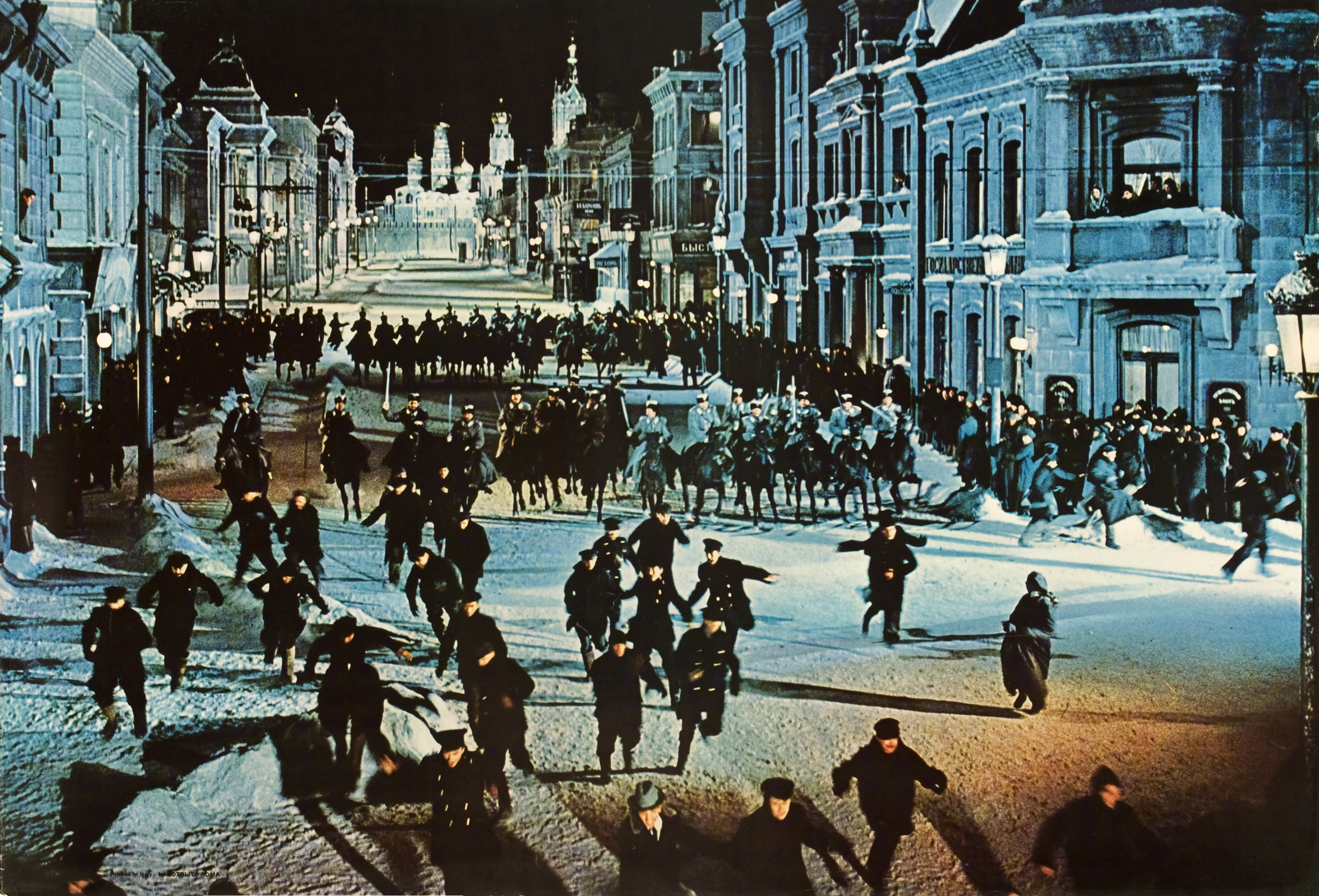
Doctor Zhivago (1965)

During the shooting of David Lean’s Doctor Zhivago [set in Russia during WWI and the Russian Revolution] in a Madrid suburb in 1964, a crowd of Spanish statists had to sing the “Internationale” in a scene involving a mass demonstration. The movie team was astonished that they all knew the song and were singing it with such a passion that the Francoist police intervened, thinking that they were dealing with a real political manifestation. Even more, when, late in the evening (the scene was to take place in darkness), people living in the nearby houses heard the echoes of the songs, they opened up bottles and started to dance in the street, wrongly presuming that Franco had died and the Socialists had taken power.

Slavoj Žižek, Organs without Bodies: On Deleuze and Consequences (2003)

Posted in Uncategorized | Tagged , , , , , , , , , , , , , , , , | 1 Comment

1880: Dredging

John Twachtman - Dredging in the East River (c. 1880)

John Twachtman: Dredging in the East River (c. 1880)

Posted in Uncategorized | Tagged , , , , , , , , | Leave a comment

2009: Prescription

Margaret Owen - Daily Painting No. 214 (2009)

Margaret Owen: Daily Painting #214 (2009) (source)

Posted in Uncategorized | Tagged , , , , , , , , | Leave a comment

1946: New Year’s

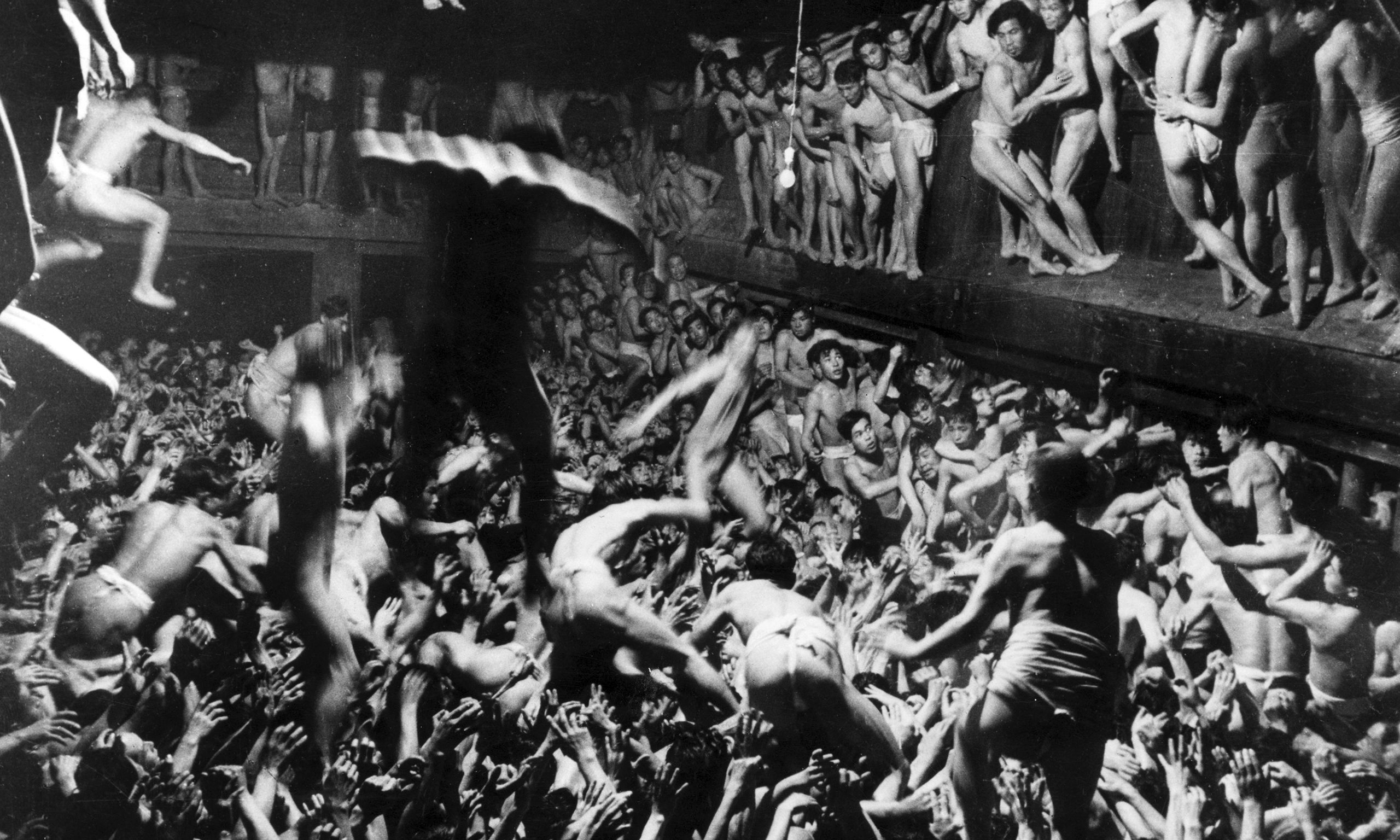
The New Moon

Horace Bristol: The New Moon, January 1, 1946

During the Saidai-ji Eyo Hadaka Matsuri [“Saidaiji Temple Naked Festival”] in Okayama, participants wear only a Japanese loincloth called a fundoshi as they compete to find one of two camphor-scented batons that have been thrown into the darkness. (The picture was taken using a flash.) Anyone who manages to get hold of one of them and put it into a wooden box full of rice is blessed with a year of happiness.

Posted in Uncategorized | Tagged , , , , , , , , | Leave a comment

1939: Before the Parachute Opens

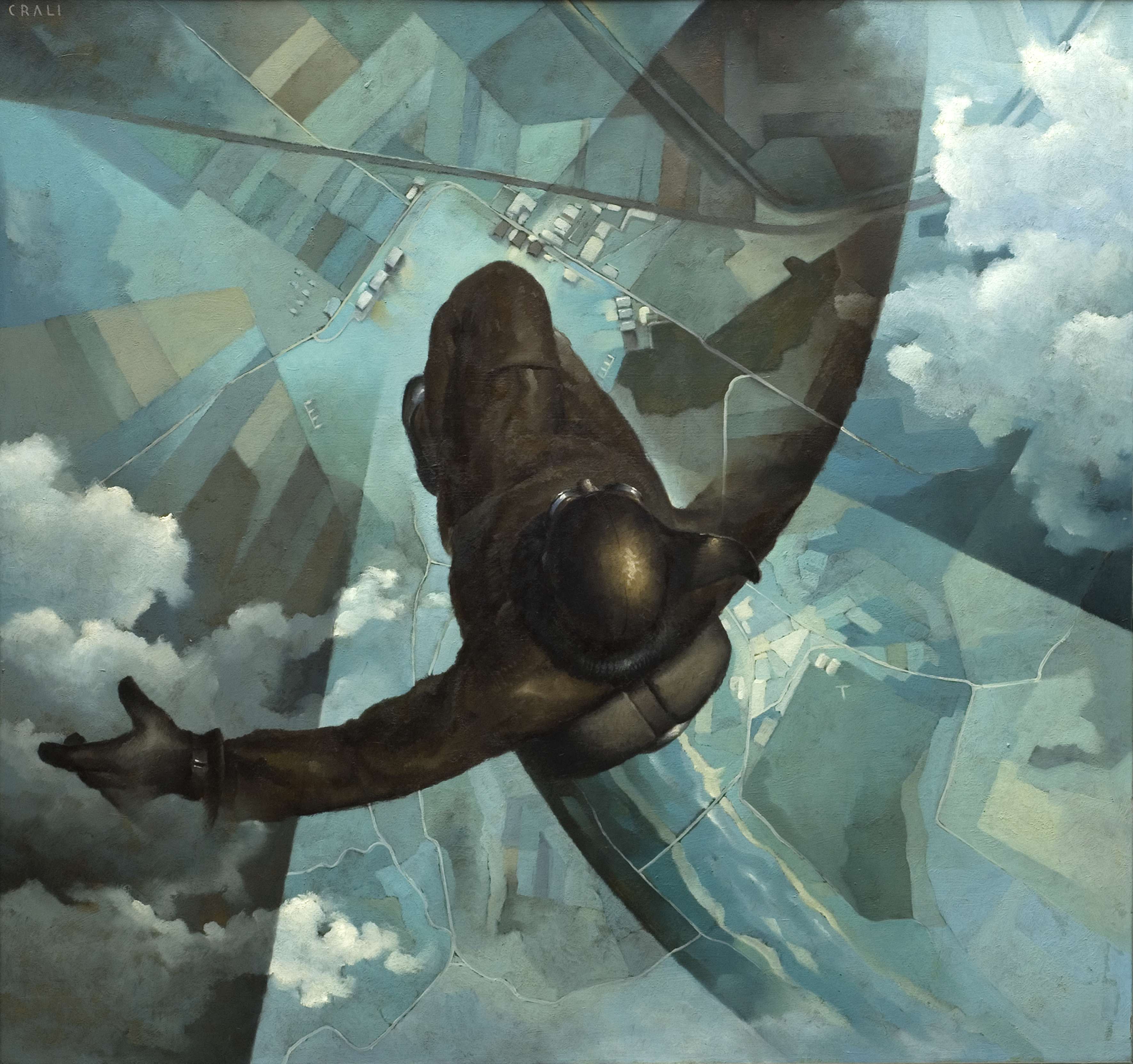
Tullio Crali - Before the Parachute Opens (1939)

Tullio Crali: Before the Parachute Opens (1939)

Posted in Uncategorized | Tagged , , , , , , | Leave a comment

1871: Channel

John Brett - The British Channel Seen from the Dorsetshire Cliffs (1871)

John Brett: The British Channel Seen from the Dorsetshire Cliffs (1871)

Posted in Uncategorized | Tagged , , , , , , | Leave a comment

1926: Watershed

Daniel Garber - A Wooded Watershed (1926)

Daniel Garber: A Wooded Watershed (1926)

Posted in Uncategorized | Tagged , , , , , , , , , , | Leave a comment

2014: Yield

Samatha Keely Smith - Yield (2014)

Samatha Keely Smith: Yield (2014) (source)

Posted in Uncategorized | Tagged , , , , , , | Leave a comment

2003: River Keeper

Kim Keever - River Keeper (2003)

Kim Keever: River Keeper (2003); “Kim Keever’s large-scale photographs are created by meticulously constructing miniature topographies in a 200-gallon tank, which is then filled with water. These dioramas of fictitious environments are brought to life with colored lights and the dispersal of pigment, producing ephemeral atmospheres that he must quickly capture with his large-format camera.” (source)

Posted in Uncategorized | Tagged , , , , , , , | Leave a comment

1838: Matua Tawai

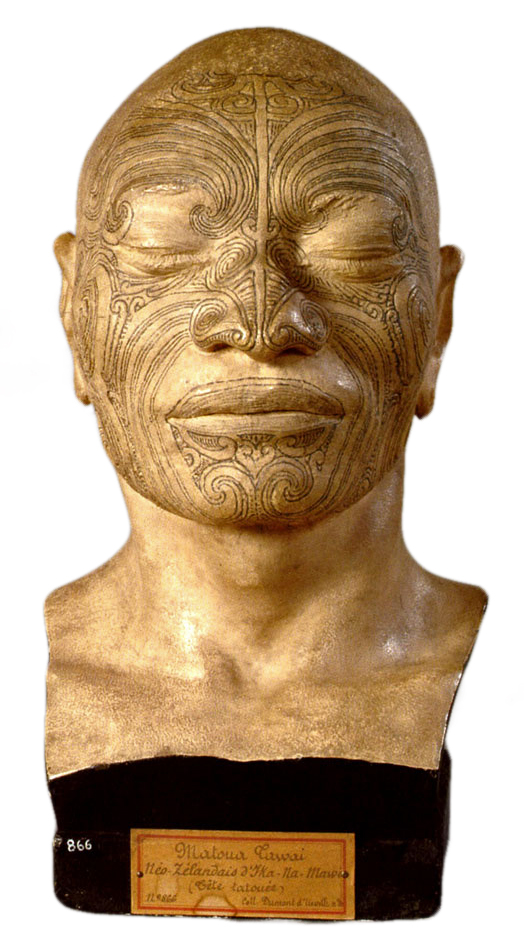
Alexandre Pierre Marie Dumoutier - plaster cast of Matua Tawai, a New Zealander of Ikanamawi (1838)Alexandre Pierre Marie Dumoutier: plaster cast of Matua Tawai, a New Zealander of Ikanamawi (1838)

Moulage sur nature became a powerful freezing and fixation tool used to document a natural and even human hic et nunc status. In the great nineteenth-century scientific undertaking to compile comprehensive classifications, important collections of plaster casts emerged for use in botanical analysis and clinical realism….Plaster casts were used for their supposedly objective accuracy and scientific neutrality to establish comparative repertoires in emerging evolutionary and hereditary theories, and as part of New World exploration and global circumnavigation. They served to document the human skull or a body entire; they helped to develop natural as well as ethnic taxonomies that classified human entities and hierarchies for ethnographic museums, simultaneously emphasizing Eurocentric racial ideologies. (source)

Posted in Uncategorized | Tagged , , , , , , , , | Leave a comment