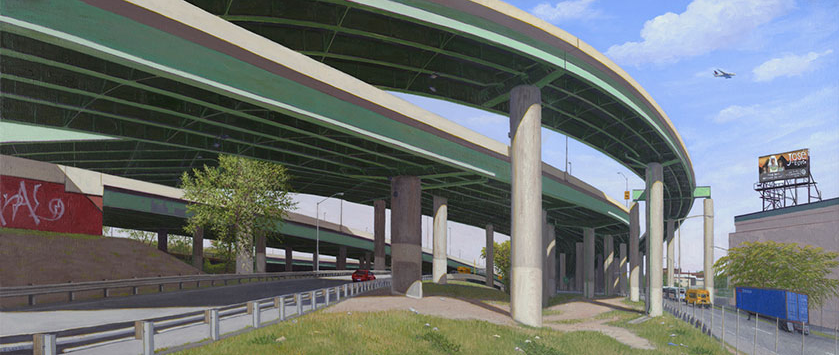
Gustave Courbet: Calm Sea (1866)
Gustave Courbet: Calm Sea (1866)

A break on the set of 2001: A Space Odyssey. This could be mime Daniel Richter, who played the lead ape in the opening sequence of the film—and who choreographed the movements of the other apes, mostly portrayed by members of his troupe. Richter has published a memoir about his involvement with the film.

Boeing seamstresses sewing fabric to the wing of a Model C seaplane in the company’s first factory, 1917. (source)
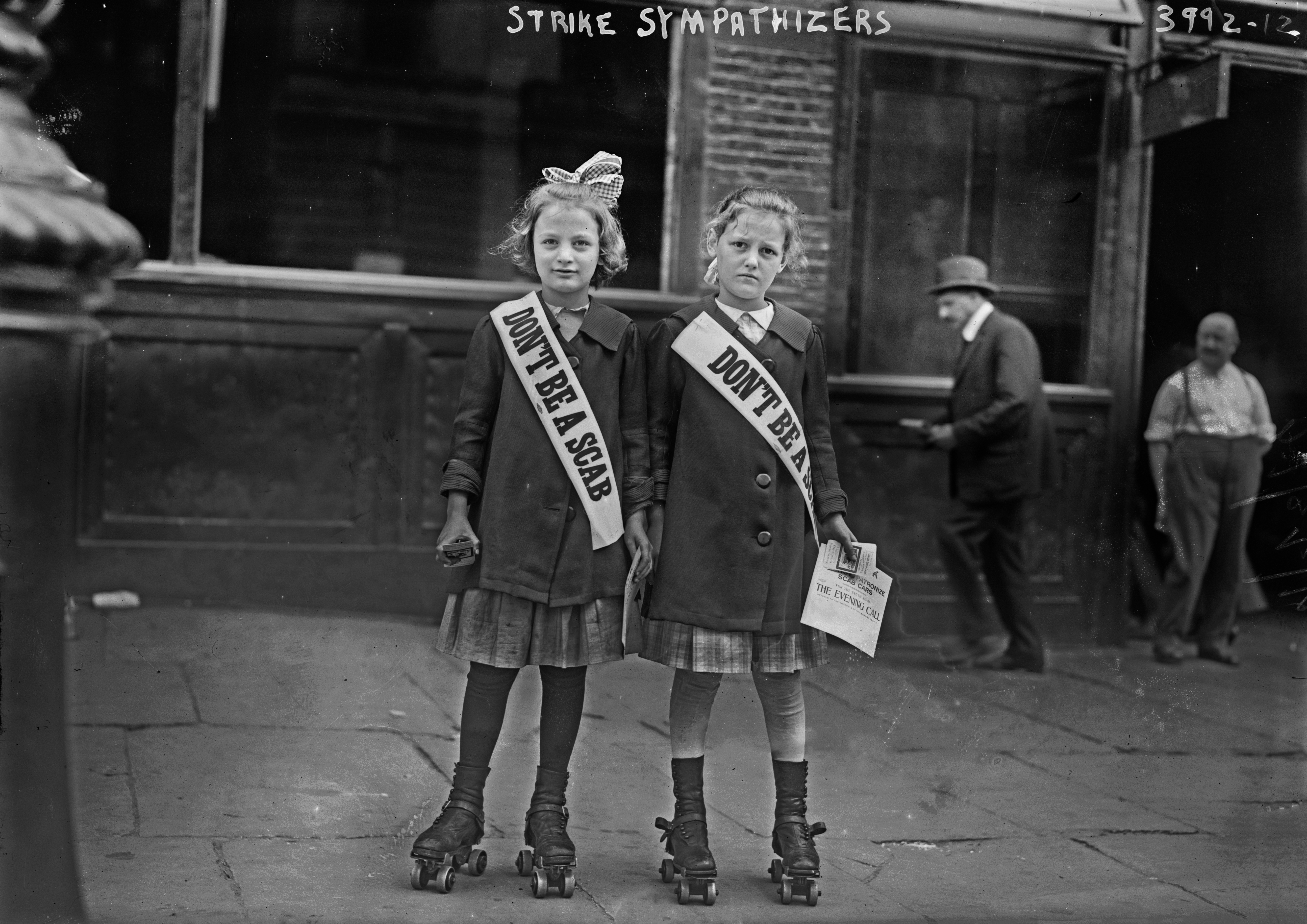
I’d seen this beautiful photograph before, but hadn’t realized it existed in such high definition. I retouched it a little (the original is here, at the Library of Congress) and drew out some of the details:
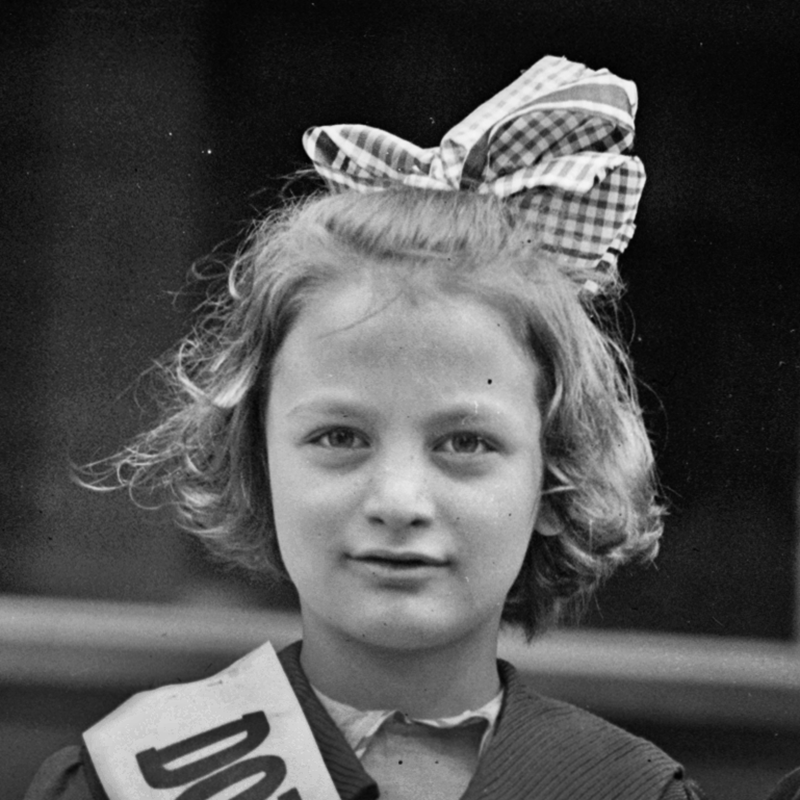
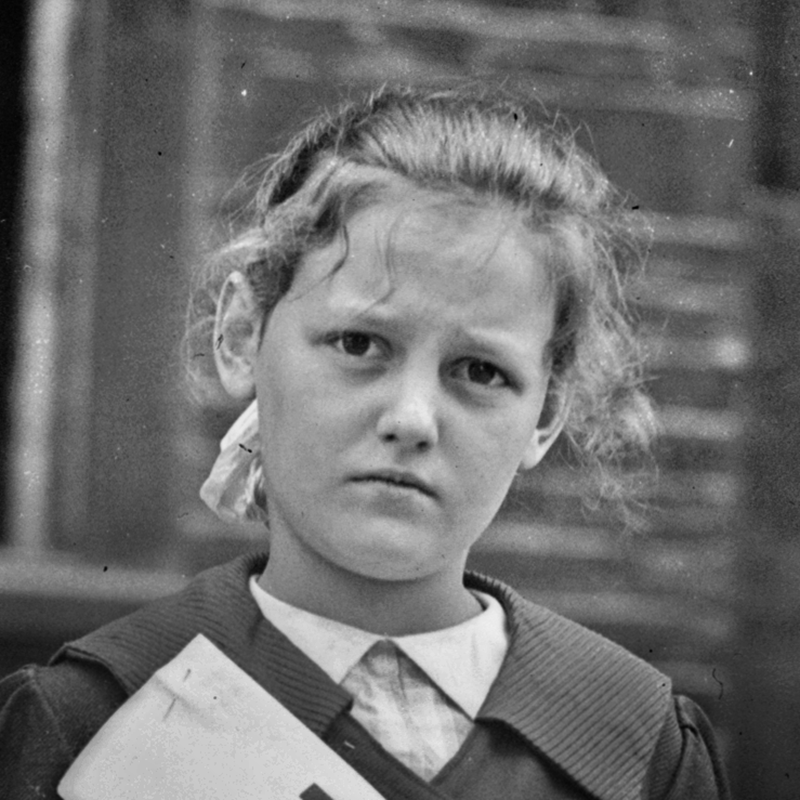
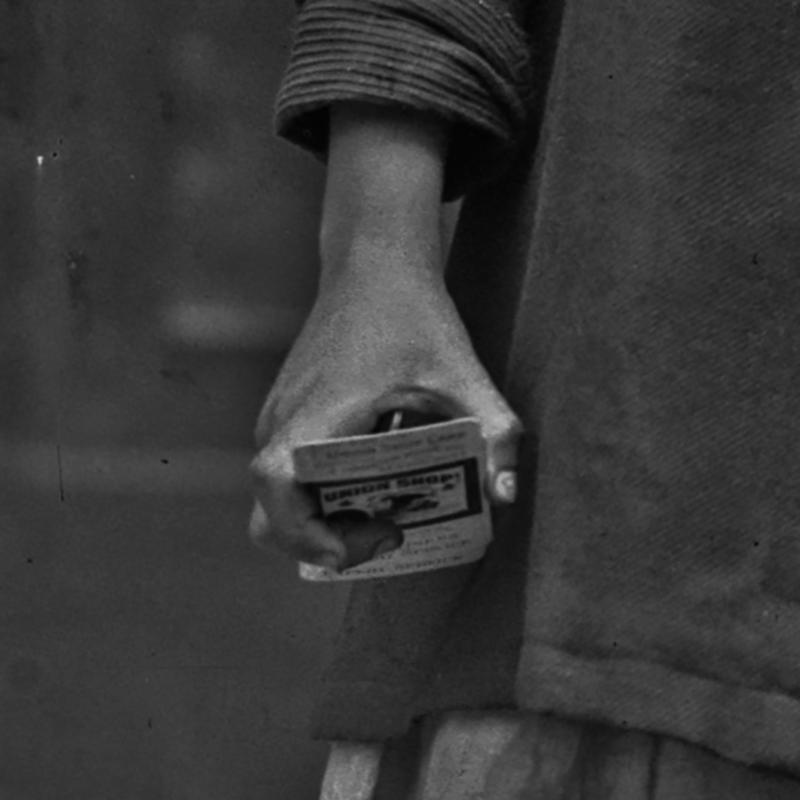
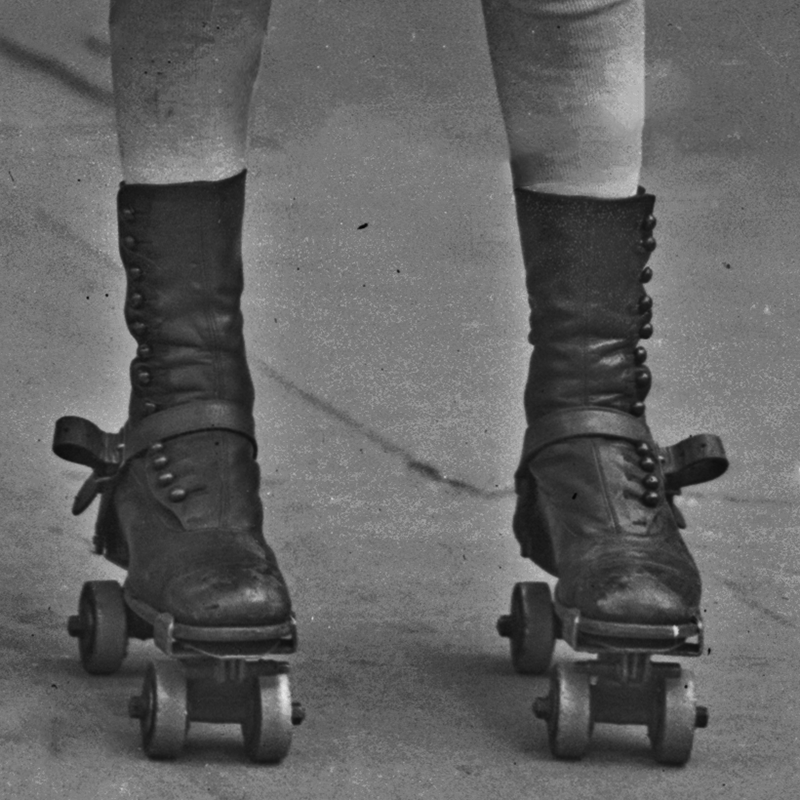
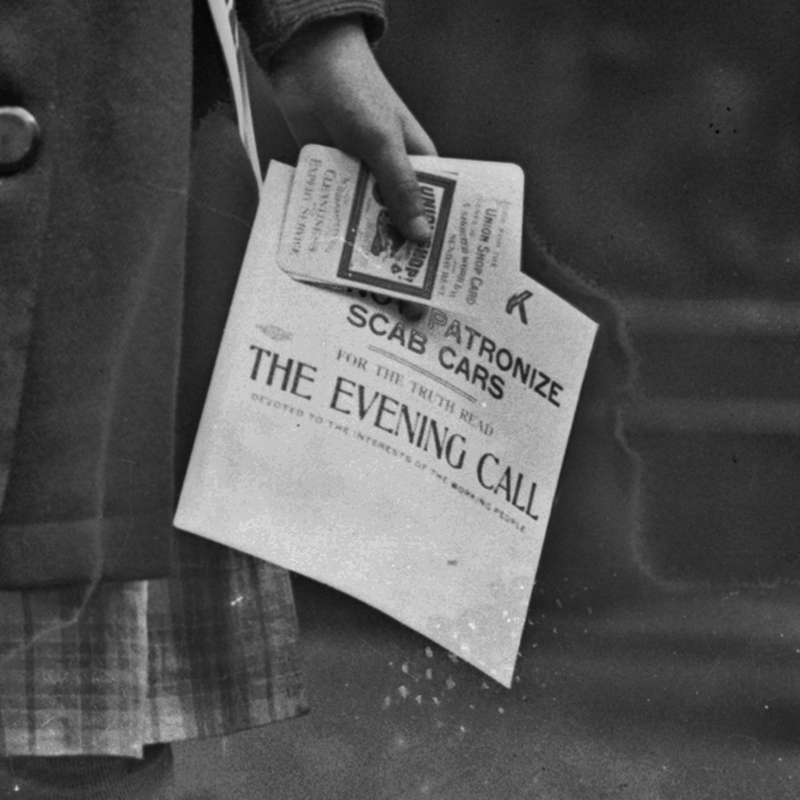
The date for the photo is unknown but estimated as between 1915 and 1920. Credit is given to the Bain News Service, one of the earliest news picture agencies in the US, which had “a special emphasis on life in New York City” and the girl on the right is holding a flyer that says “[Don’t] Patronize Scab Cars”—so I looked for New York City transit strikes in the period.
The American Labor Year Book, 1917-18 details a bitter and ultimately unsuccessful strike by transit workers in 1916: it began in Yonkers and New Rochelle on July 22, when workers making 26 and 28 cents an hour ($5.83 and $6.29 in 2017 dollars) demanded an increase of 5 cents per hour ($1.12 in 2017) and the company responded with an offer of 1 and 2 cents an hour (22 and 45 cents in 2017). Strikes spread through the city, with 1,100 workers on the the Bronx Trolley lines demanding union recognition and the 5 cent an hour increase. “The conditions of virtual slavery under which the men worked made their lot all but unbearable,” reported the Year Book. “The community was shocked by the stories of inhuman treatment and of oppression that were made public during the strike. Public sympathy was very largely with the strikers, although many people failed to act upon their sympathies and patronized the cars run by strike-breakers.” Thousands of workers in Brooklyn and Manhattan joined the strike; management responded by importing scabs from other cities, providing “halting and ineffective” service.
Many months later, on April 9, management of the several companies now involved agreed to the following terms:
1. The right of the men to organize was admitted (although this did not mean the recognition of the Amalgamated).
2. The question of wages and working conditions was to be taken up not later than August 20 by a committee of the employees and the company.
3. If no agreement could be reached in this way the matter was to be submitted to a board of arbitration
With the strike over, many workers joined the union and striking workers were reinstated; the companies, however implemented the terms of the agreement in bad faith, creating company unions instead of recognizing legitimate ones. They also began to ask and intimidate workers to sign binding individual contracts—and thus a new strike was called in September on lines in Manhattan and the Bronx.
This time, newspapers joined management’s side, suggesting it was the workers who had violated the agreement, and claiming they had stoned cars and planted dynamite. Public sympathy turned against the union; more and more scabs were imported; and, worst of all, participation in the strike dropped (especially from the workers who had signed individual contracts). Violence erupted on occasion and many accidents occurred “due largely to inexpert handling of cars.”
By November, normal service had returned to the city. “Strike-breakers put on uniforms and were recognized as regular employees, the public became accustomed to riding in the cars, and forgot that a strike was on,” reports the Year Book. “The strike just fizzled out….The losses to both sides were tremendous. The companies lost heavily in fares and damages to property. The men lost wages amounting to huge sums.”
Management would beat back renewed efforts to organize in 1919 (another possible date for the photo) and 1926, but workers would ultimately win union recognition in the 1930’s as the Transit Workers Union (TWU)—which now represents more than 140,000 workers across the country.
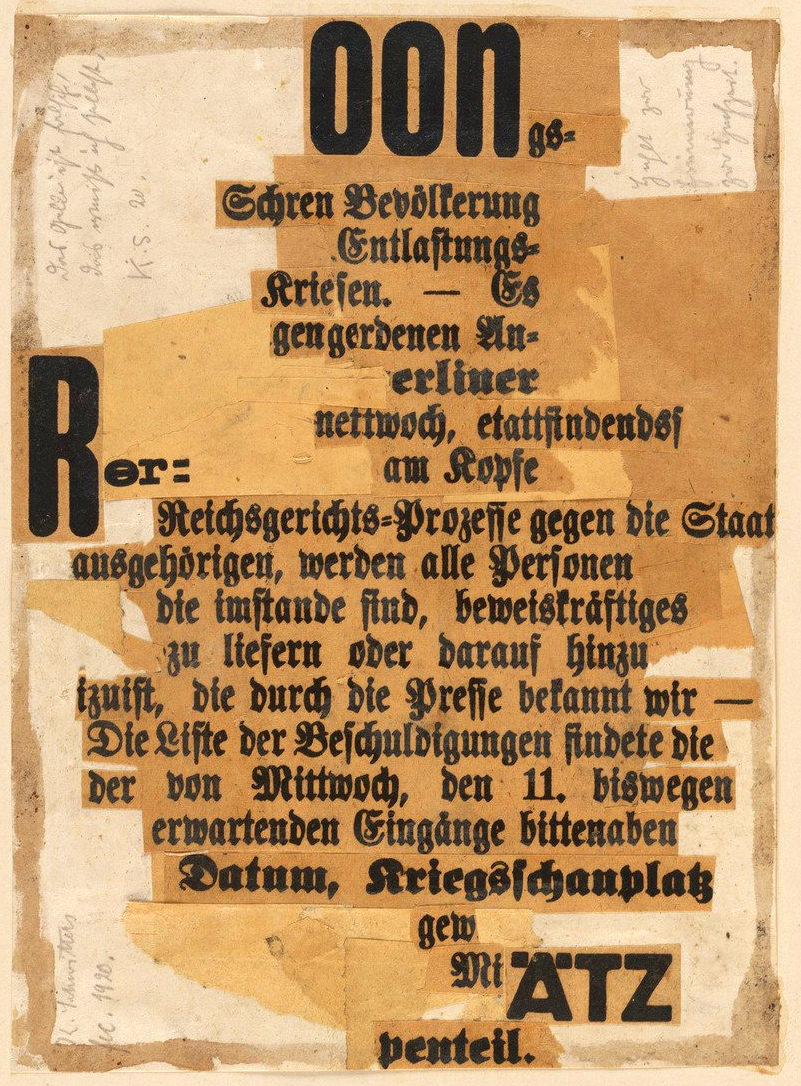
Kurt Schwitters: OON [fec] (1920)
I’m lying in bed, I’m sleeping, flat on my back. A thin sheet of paper. Pressed flat. An other world orbits around me. I’m looking around. That’s me there beside me. Or is it? A thin sheet of paper, pressed flat? And your hands? Is it me? Is he you?
It’s a carapace lying beside me, empty. Who am I? Is it me there beside me? Not me wrapped up in the covers?: thin cover asleep on my bed: I wake up. Empty carapace. Thin, flat, lies beside me, and sleeps.
—from “Ideas for Poems” (c. 1926)
[“Fec” is an abbreviation for the Latin fecit, “he did it,” which artists and artisans used to put after their signature on a work—so the title of Schwitter’s collage is something like “Made by OON.”]

Anton Marrast a.k.a. Grape Frogg: I’ve Seen the Queen (2009) (source)

Vincent van Gogh: Ravine (1889)
At the Boston Museum of Fine Arts

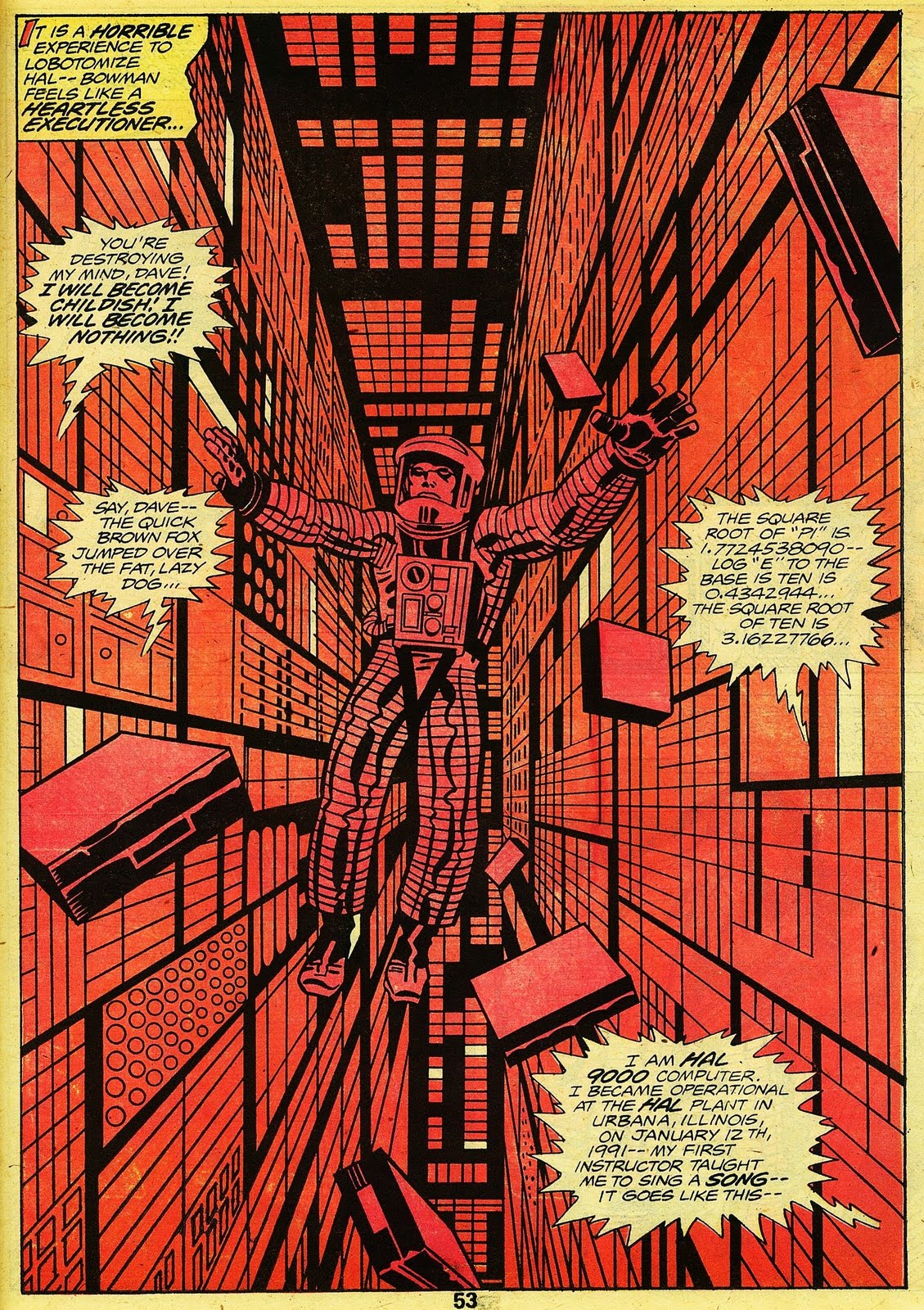
Dave deactivates HAL: Detail from Jack Kirby’s 1976 comic book adaptation of 2001: A Space Odyssey.
Click for the full page:
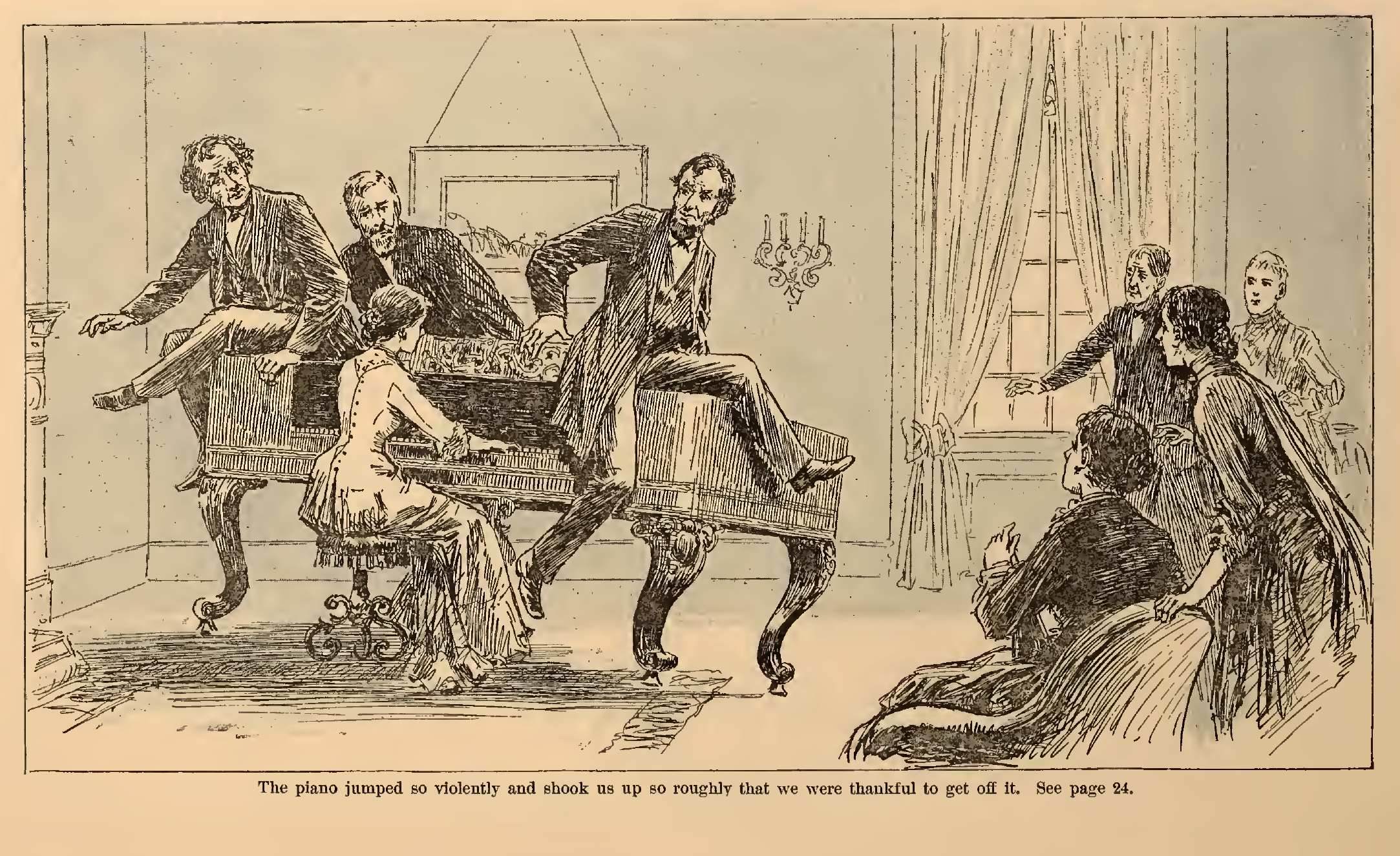
Fayette Hall’s Secret and Political History of the War of the Rebellion (1890) (here) is an interesting example of conspiracy theory from the turn of the century, blaming “Abraham Lincoln’s lust for power, and the people’s greed for gold, or greenbacks” for the Civil War and imputing to the Republicans the “exercise of a power greater than that possessed by kings and emperors” and “acts of injustice, tyranny and cruelty…unparalleled since the days of Attila, Caligula and Nero.”
“The country was ruled by ignorance, superstition, fanaticism, spiritualism and diabolism,” Hall writes. “There is a secret history connected with those times, and with those in power, which, when given to the public, will be the most astounding and seemingly incredible of anything ever written in this country, if not in the history of the world.”
Incredible indeed. The book contains a dubious account of how Abraham Lincoln came to sign the Emancipation Proclamation, relating the narrative of a Col. S. B. Kase , “a tall, stoutly built old gentleman of truly striking appearance.”
“In the early part of 1862,” Hall reports Kase saying, “I went from Philadelphia to Washington to further the progress of a railroad bill in which I was interested.”
Once there, a mysterious voice leads him to the office of a medium who hands him an envelope to deliver to Lincoln. Kase is unsure at first, but delivers the envelope to the White House, where Lincoln opens it to find a mysterious message.
Some weeks later, he is invited to the home of a Mrs. Laurie, and his narrative continues:
Two or three evenings after that I went to her house in Alexandria. When I entered the parlor I found the President and Mrs. Lincoln there, together with a number of people whom I did not know. For a while the conversation was general and nothing unusual happened.
Suddenly a young girl, about 15 years old, walked the length of the drawing-room to where President Lincoln sat. Stopping in front of him, the child — for she was nothing more — looked into his eyes with a peculiar rapt expression on her face.
“President Lincoln,” she said, in a clear, but not loud voice, “the liberty of our Nation, conceived in the womb of oppression, and born in the throes of the Revolution, can never be crowned with the wreath of immortality until each and every human being in these United States is free! Slavery in any form must not exist. So says that spiritual Congress, which in this dread time of menace and danger to the Union watches over and directs the affairs of the Nation with even greater care and steadfastness of purpose than do the representatives chosen by the people. I have been chosen as their medium of communication with you. Before you can hope to bring about the great and lasting glory of this republic, you must make every man within its boundaries free. You must emancipate all the slaves by your pen, and your armies must indorse your action with the sword.”
She talked to the President in this strain for an hour and a half, never hesitating or faltering for a word, and clothing her thoughts in language which, in her normal condition, she could not have understood. When she recovered from her trance she knew nothing of what she had done or said. This child was Nettie Maynard, afterward recognized as one of the greatest mediums in the world. The President seemed greatly impressed with what the girl had said.
A short time before he had said to those urging the emancipation idea: “I hope it will not be irreverent for me to say that, if it is probable that God would reveal his will to others on a point so connected with my duty, it might be supposed He would reveal it directly to me, for, unless I am more deceived in myself than I often am, it is my earnest desire to know the will of Providence in this matter, and if I can learn what it is I will do it.” On Sept. 22, 1862, he signed the proclamation making the slaves freemen.
Before I left Mrs. Laurie’s that night, I had another experience worth noting. Mrs. Miller, her daughter, began to play on the piano, and as she did so the piano jumped up and down on the floor, keeping time to the music. I asked if I might sit upon the instrument so that I could testify by my sense of feeling that it really moved. She gladly consented, and President Lincoln, Judge Wattles, who hailed from the West, and I sat on the piano. Mrs. Miller played again and the piano jumped so violently and shook us up so roughly that we were thankful to get off it.