
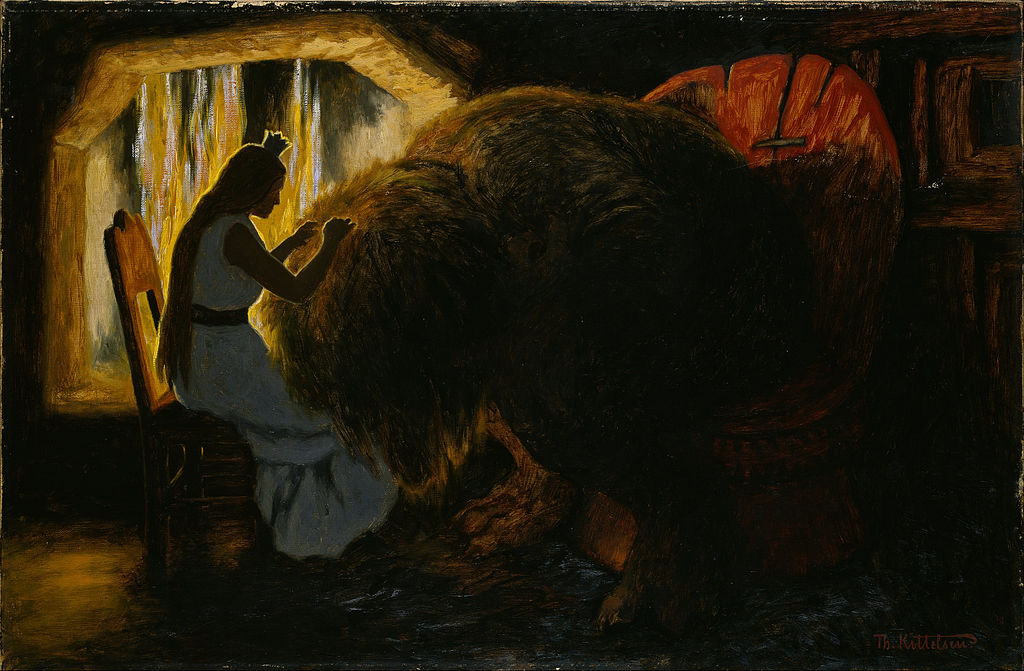
Theodor Kittelsen: The Princess Picking Lice from the Troll (1900)
Theodor Kittelsen: The Princess Picking Lice from the Troll (1900)
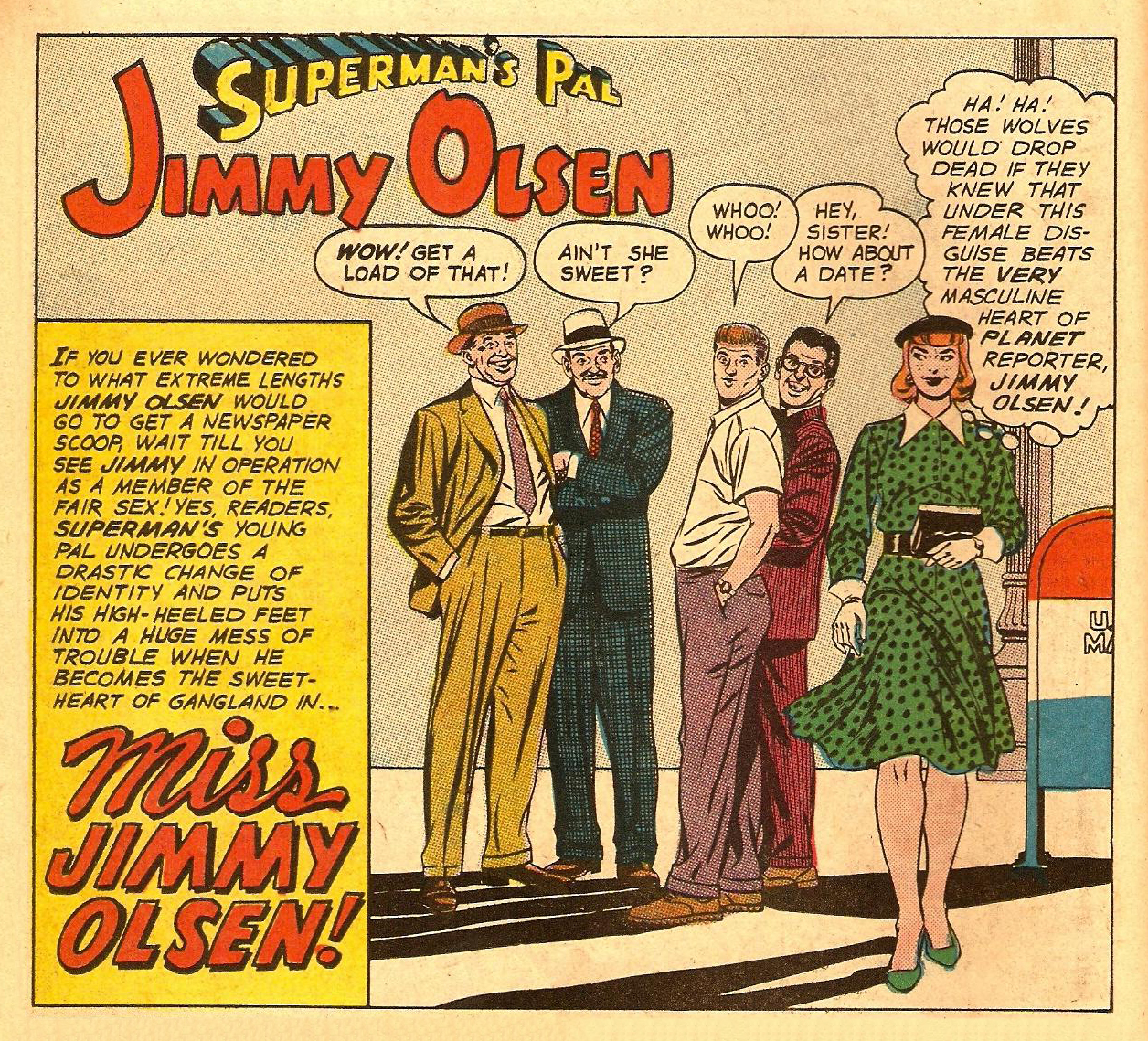
“A drastic change of identity”: Jimmy goes undercover as a woman in this story from Superman’s Pal, Jimmy Olsen Vol. 1, #44 (April, 1960); Curt Swan, penciler. See Transgender Identity and Superman’s Pal.

Jack Garofalo: Bookstore, Harlem, 1970
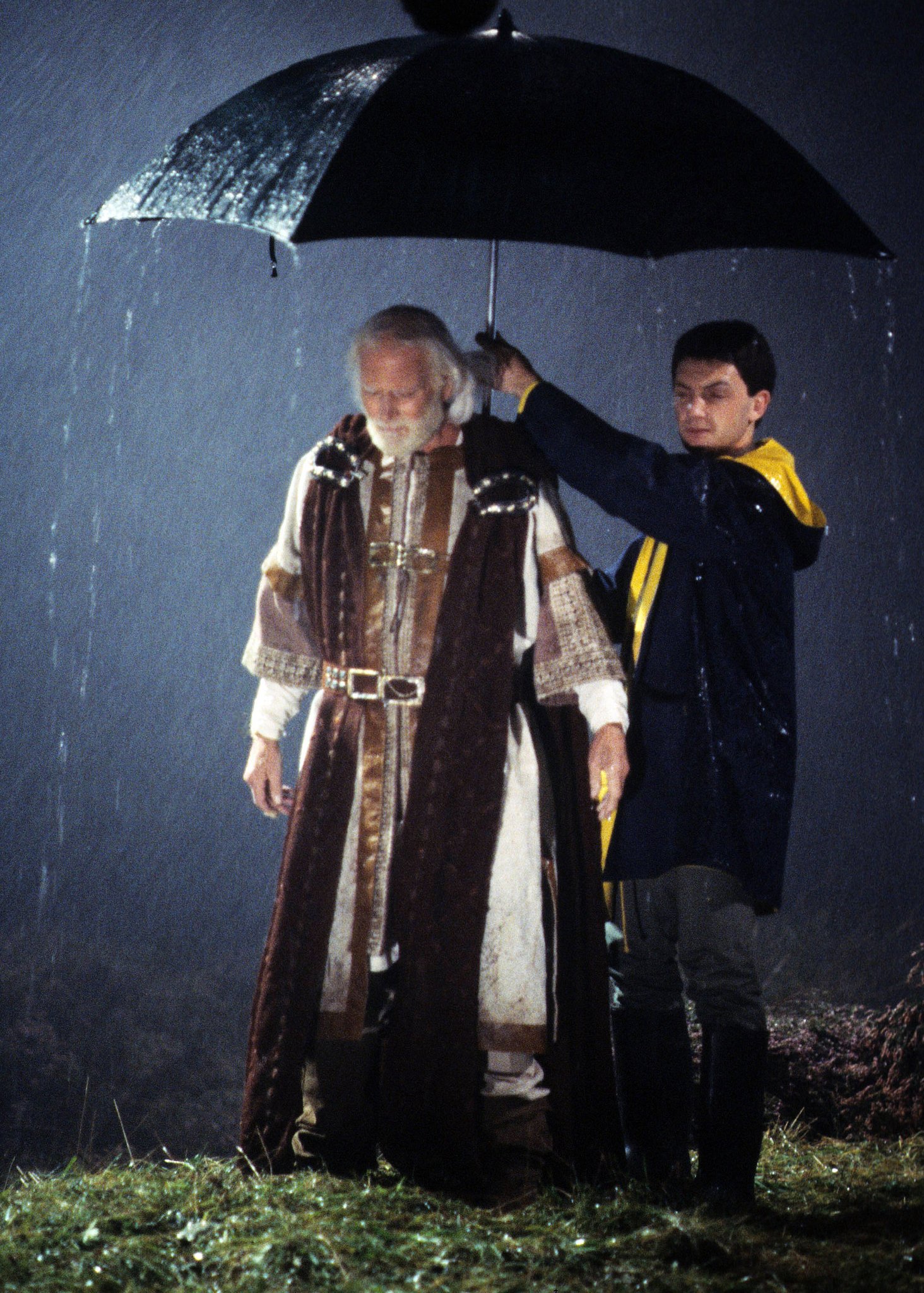
Laurence Olivier during a break in the filming of King Lear in 1983.
KENT
I know you. Where’s the king?Gentleman
Contending with the fretful element:
Bids the winds blow the earth into the sea,
Or swell the curled water ‘bove the main,
That things might change or cease; tears his white hair,
Which the impetuous blasts, with eyeless rage,
Catch in their fury, and make nothing of;
Strives in his little world of man to out-scorn
The to-and-fro-conflicting wind and rain.
This night, wherein the cub-drawn bear would couch,
The lion and the belly-pinched wolf
Keep their fur dry, unbonneted he runs,
And bids what will take all.KENT
But who is with him?Gentleman
None but the fool.
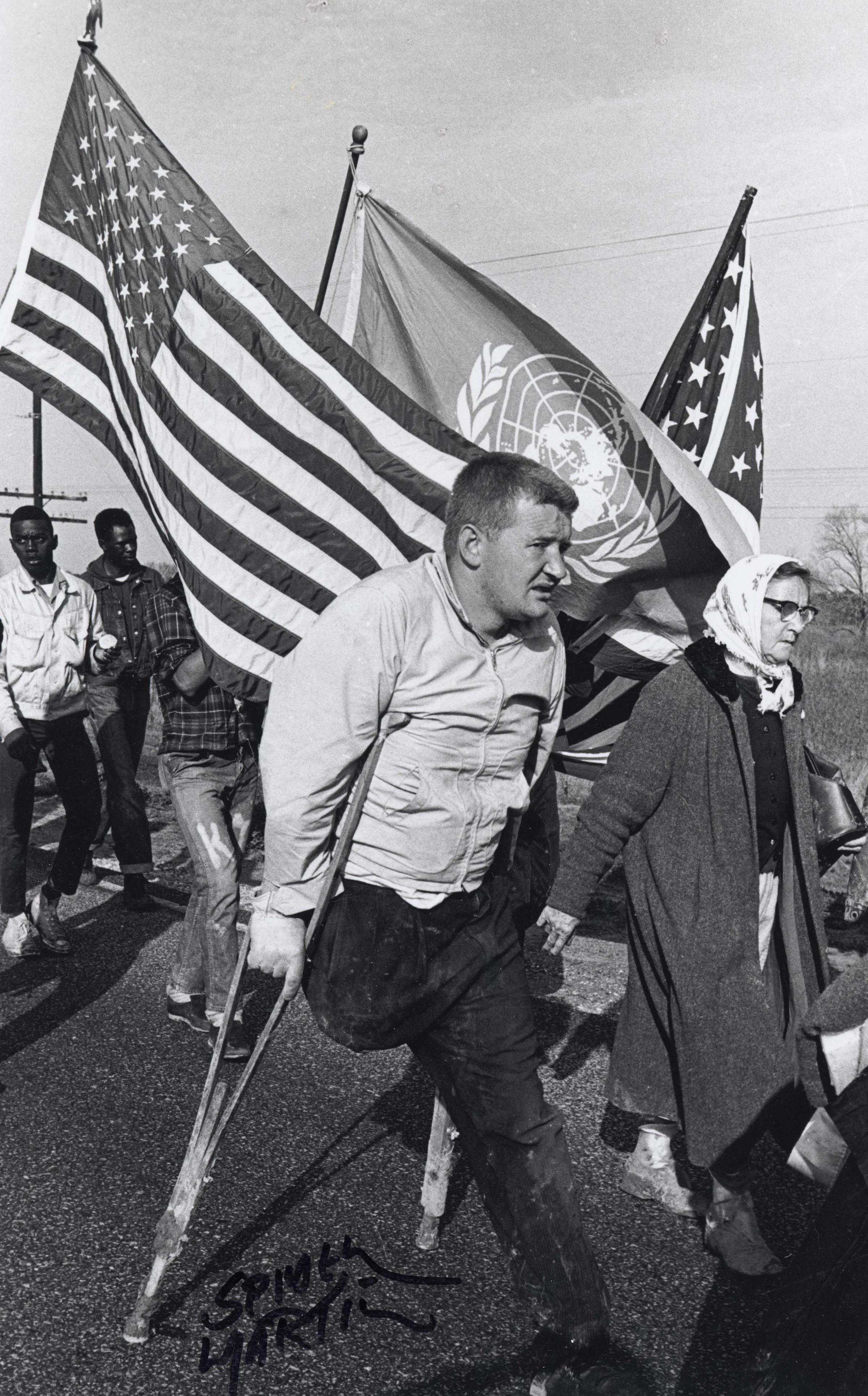
Spider Martin: Jim Letherer on the Selma to Montgomery voting rights march in 1965.
Letherer was a civil rights activist from Saginaw, Michigan. He lost a leg to bone cancer as a boy, and it was his own experience growing up—being told that he couldn’t do the things a “normal” person could—that led him to join the movement. “He didn’t want to be treated less than equal,” his nephew is quoted as saying in an obituary. “That’s what drew him to the black man, because he saw they were treated that way.” He walked the entire 54 miles of the march to Montgomery.
Letherer was Jewish and is described in most sources as a laborer. One source says that he was a “settlement house worker.” (“Settlement houses” had begun as part of a late-19th century movement to help the poor and promote cross-class solidarity. Typically, middle-class people would live in one of these houses in a poor neighborhood with the goals of alleviating poverty, promoting education and American middle-class culture, and providing services like daycare and healthcare.) He died in Saginaw in 2001.
Lynda Blackmon Lowery tells a story about Letherer in her book Turning 15 on the Road to Freedom: My Story of the Selma Voting Rights March:
The next morning I woke up on the ground wrapped in a blanket, my head on the little canvas bag that held my stuff. All around me women were waking up, maybe 150 of them lying in long rows. It was March 22, 1965—my fifteenth birthday.
When I left the tent, I walked out into a foggy, dreary morning. In front of me I saw three white National Guardsmen. Now, there were maybe a hundred guardsmen around, but I just focused on those three, because they were looking right at me, and the long steel bayonets on their rifles were pointed at me. In my eyes they looked exactly like the white troopers who had beaten me on Bloody Sunday. I started screaming and I couldn’t stop. I was scared they were there to kill me, to finish the job they’d started two weeks before.
I was terrified. All I wanted to do was go home. I didn’t care if George Wallace saw me or not, I didn’t care if anybody ever voted, I just wanted to get back home to my daddy so he could protect me. Running back into the tent, I yelled, “They’re going to kill me. Don’t let them kill me! Please!” I grabbed Miz Mary, crying and yelling, “They’re out there to kill me. I’ve got to go home.”
People came running, and the National Guardsmen surrounded our tent. They wanted to know what was wrong too. Everyone wanted to know who was going to kill me. When I pointed to the guardsmen, people thought I was crazy. They’re here to protect you, they said.
A lot of people wanted to send me home. They were mad because I was holding up the whole march. But the ladies said I was too scared to go anywhere. They tried to comfort me, to ease my fear. They talked about the significance of what we were doing and how far we had come in this struggle. But I could not be comforted. To me it was Bloody Sunday all over again. I was that scared.
Then a white man named Jim Letherer came over. He had lost a leg in a war [sic] and was walking all the way to Montgomery on two crutches. Jim told me that before he’d let anyone else harm another hair on my head, he would lie down and die for me. I knew I couldn’t let this man do more for me than I could do for myself.
My grandmother used to say that if you give in to something, if you give someone or something control over you, then you’ve given up yourself. And you couldn’t do that So I couldn’t let George Wallace or my fear from having been beaten take control of me. If I did that, I would never become the person I wanted to be. And the person I wanted to be was a person who would stand up against what was wrong. I wanted not only to protect myself, but to protect others; not only to fight for myself, but to be out there fighting for others.
So at that moment I knew, if this man was willing to die for me, then I really had to give up the fear of dying myself. I knew I had to do this—and I could do it.
The march started one hour late that morning, but when it finally began, Jim Letherer and I marched and talked and sang freedom songs together down that highway.

Algernon Cecil Newton: Regent’s Canal, Maida Vale, London (1942)
![Shi zhu zhai shu hua pu [Ten Bamboo Studio collection of calligraphy and painting] (1633)](https://corvusfugit.com/wp-content/uploads/2017/09/shi-zhu-zhai-shu-hua-pu-ten-bamboo-studio-collection-of-calligraphy-and-painting-1633.jpg)
Shi zhu zhai shu hua pu [Ten Bamboo Studio collection of calligraphy and painting] (1633)
“This is the earliest Chinese book printed by the technique of polychrome xylography known as douban invented and perfected by Hu Zhengyan 胡正言 (1584-1674). The method involves the use of multiple printing blocks which successively apply different coloured inks to the paper to reproduce the effect of watercolour painting.” (source)
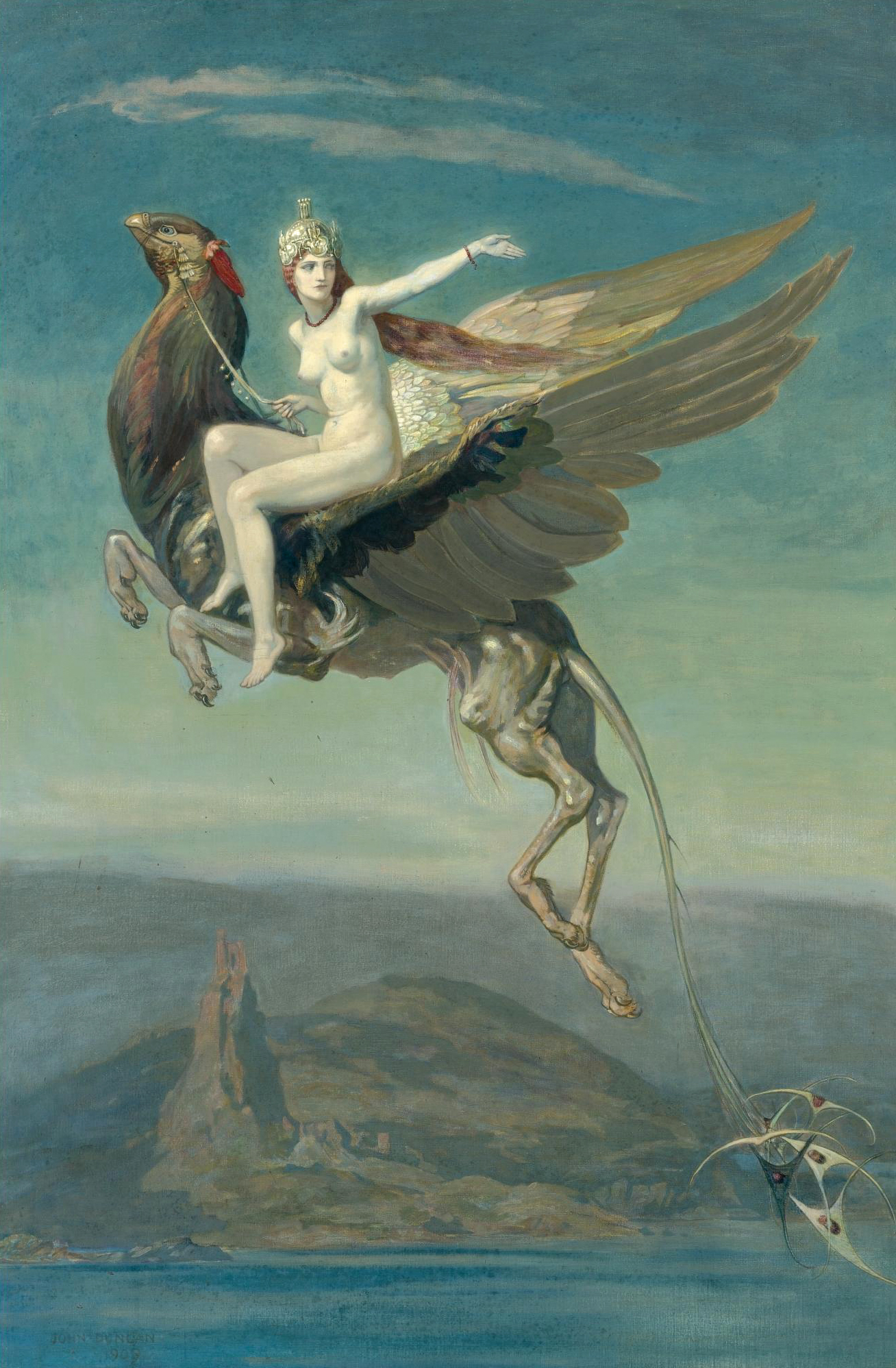
John Duncan: Heptu Bidding Farewell to the City of Obb (1909)

Lori Nix at work on Beauty Shop (2010), one of a series of photographs of post-apocalyptic miniatures. (See her website.)

John Singer Sargent: Crashed Aeroplane (1918)

 corvusfugit.com