

A headline from this article in Popular Science Monthly, January 1932:

A headline from this article in Popular Science Monthly, January 1932:
![Turin Strike Papyrus [Cat. 1880]](https://corvusfugit.com/wp-content/uploads/2020/09/turin-strike-papyrus-cat.-1880.jpg)
In his first two decades on the throne, Ramesses III had repelled invasions, restored Egypt’s temples and re-established national pride. The court now looked forward to the king’s thirty-year jubilee, determined to stage a celebration worthy of so glorious a monarch. There would be no stinting, no corners cut. Only the most lavish ceremonies would do.
It was a fateful decision. Beneath the pomp and circumstance, the Egyptian state had been seriously weakened by its exertions. The military losses of 1179 were still keenly felt. Foreign trade with the Near East had never fully recovered from the Sea Peoples’ orgy of destruction. The temples’ coffers might be full of copper and myrrh, but their supplies of grain—the staple of the Egyptian economy—were gravely depleted. Against such a background, the jubilee preparations would prove a serious drain on resources.
The cracks started to appear in 1159, two years before the jubilee. Of all the state’s employees, the most important—and usually the most favored—were the men who worked on the excavation and decoration of the royal tomb. Living with their families in the gated community of the Place of Truth, they had grown used to enjoying better than average working conditions, and better than average remuneration. So, when the payment of their monthly wages (which also included their food rations) was eight days late, then twenty days late, it was clear something was badly wrong. Their scribe and “shop steward,” Amennakht, went at once to the mortuary temple of Horemheb to remonstrate with local officials. Eventually, he persuaded them to hand over forty-six sacks of corn to distribute to the workers as interim rations. But that was only the start of it.
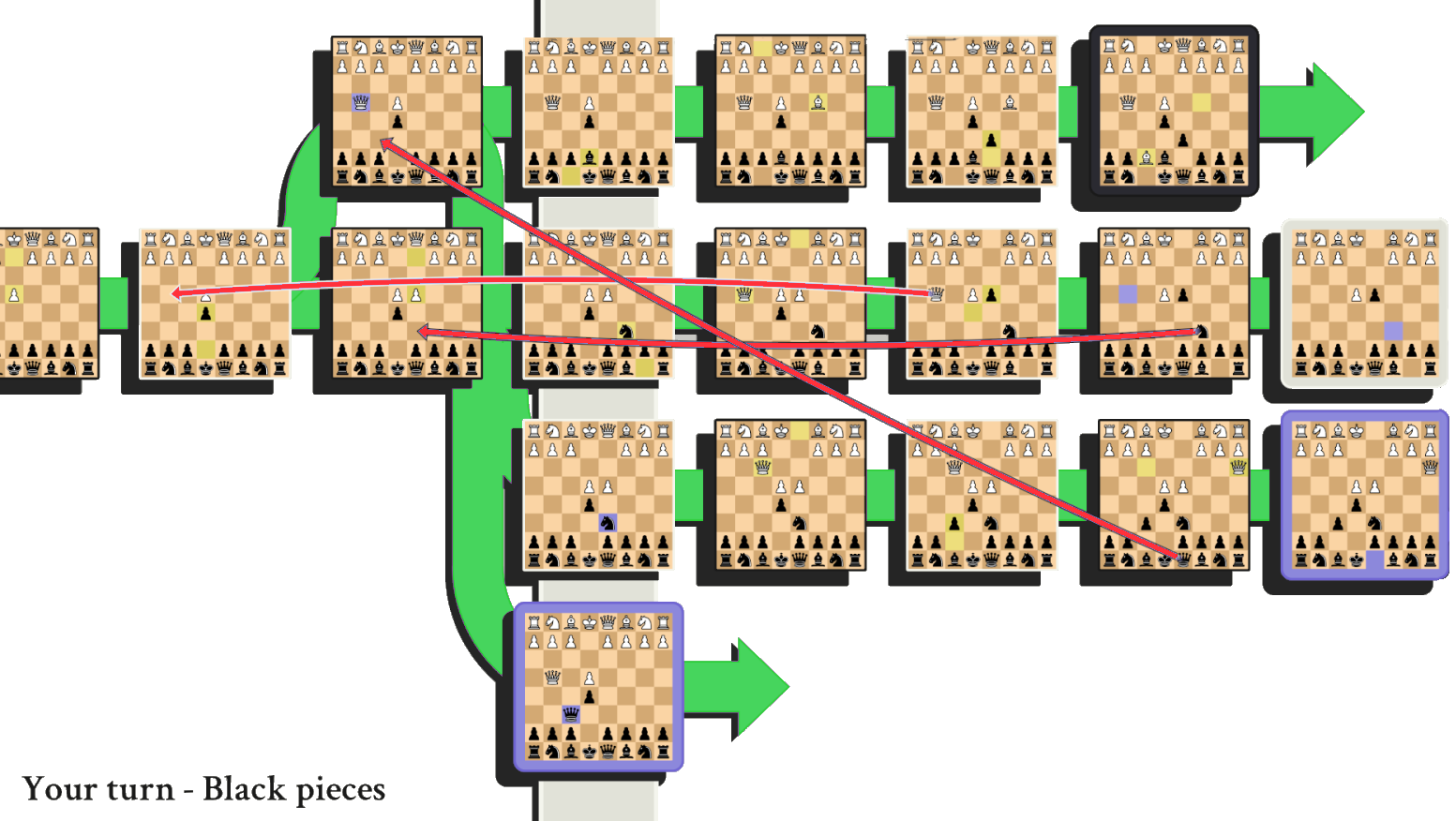
In 5d Chess (released last month by Thunkspace), pieces can travel back in time. A rook in the eighth move of a game, for example, can be placed on the board as it was in move five. This then creates an alternative timeline version of the game with the pieces as they were in move five, plus the additional rook. (The rook, however, disappears from the board in the original timeline.)
After this second universe is created, players must then keep track of moves in both timelines in the game, with the possibility of additional universes being created every move. Players get as many moves per turn as there are timelines. The game is won when one player has fewer valid moves than the number of timelines.
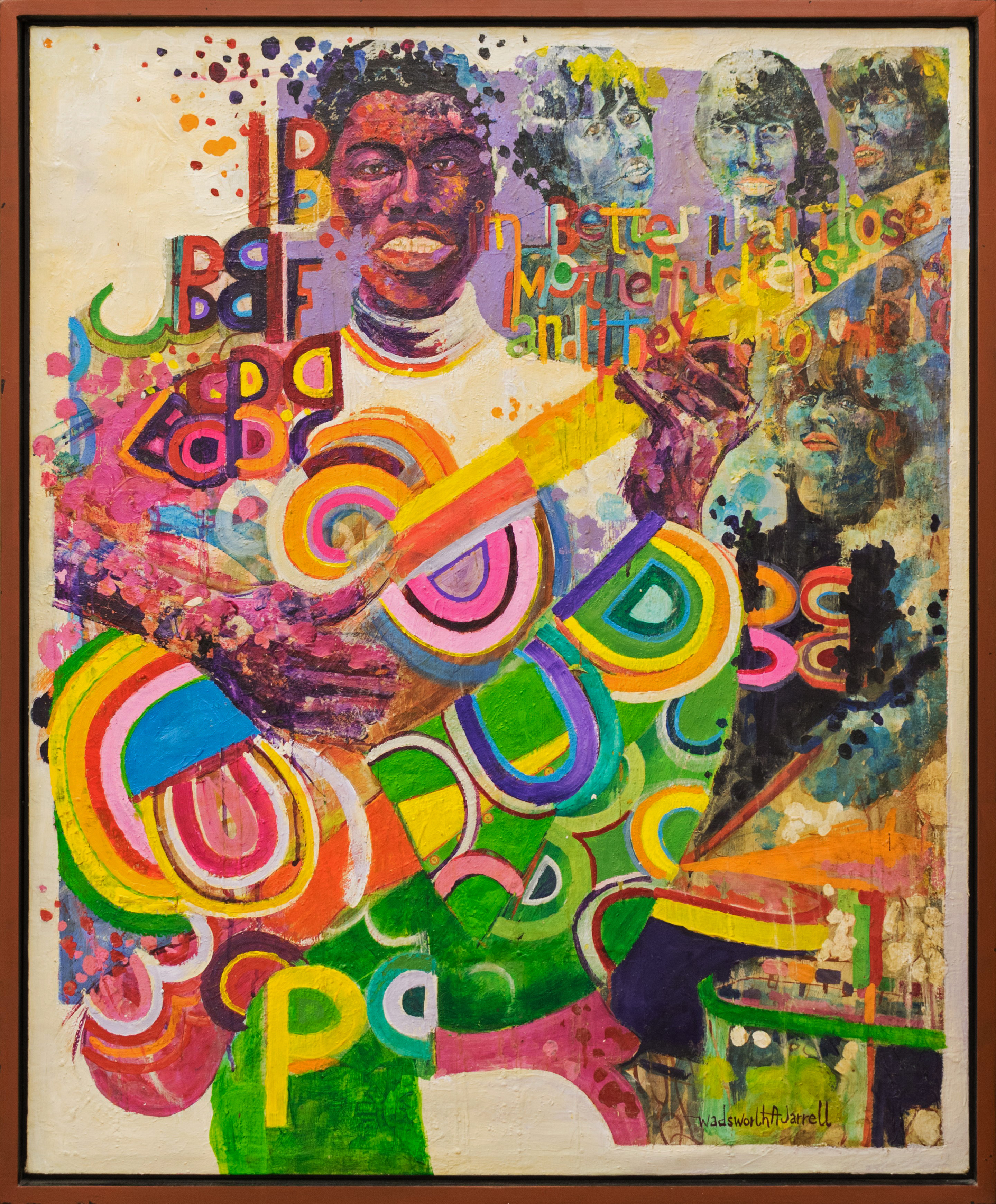
Wadsworth Jarrell: Compared to What – I Am Better
Than Those Motherfuckers and They Know It (1969)
My painting Compared to What: I Am Better Than Those Motherfuckers and They Know It was critiqued. The form consists of graffiti-style words and letters, mostly of the letter B—for Black is beautiful—and five figures in Cool Ade colors. The dominant figure in the painting is an African-American man sitting with his legs crossed, playing a guitar. The four figures in the background represent the European music group the Beatles. The words and letters, especially those near the end of the canvas, explode and fragment into multiple colored shapes. The white borders that rim the painting indicate that it is a poster. The statement “I Am Better Than Those Motherfuckers and They Know It” is difficult to read, because it is an intricate component of the form. Everyone agreed that the idea was well executed, and that it embodied excellent qualities. (source)
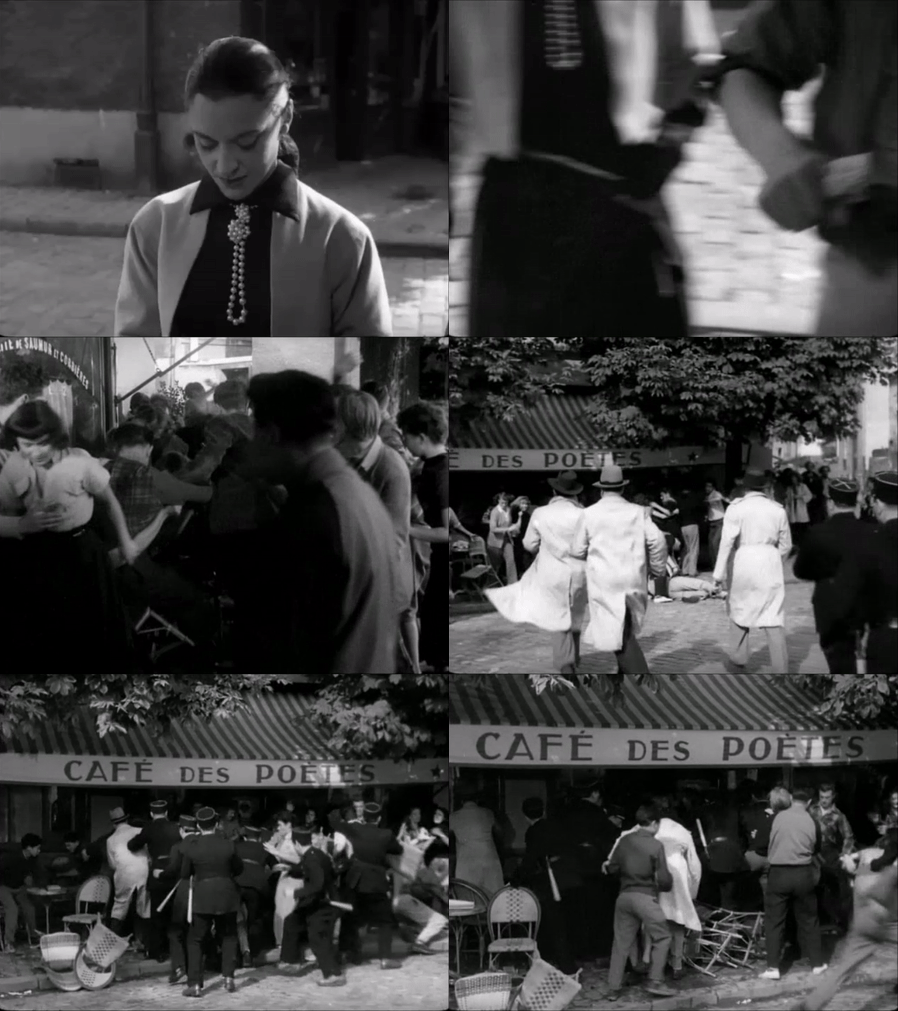 Stolen poems incite a rumble in Jean Cocteau’s Orpheus (1950).

Arketex Ceramics Corporation catalog, 1957.
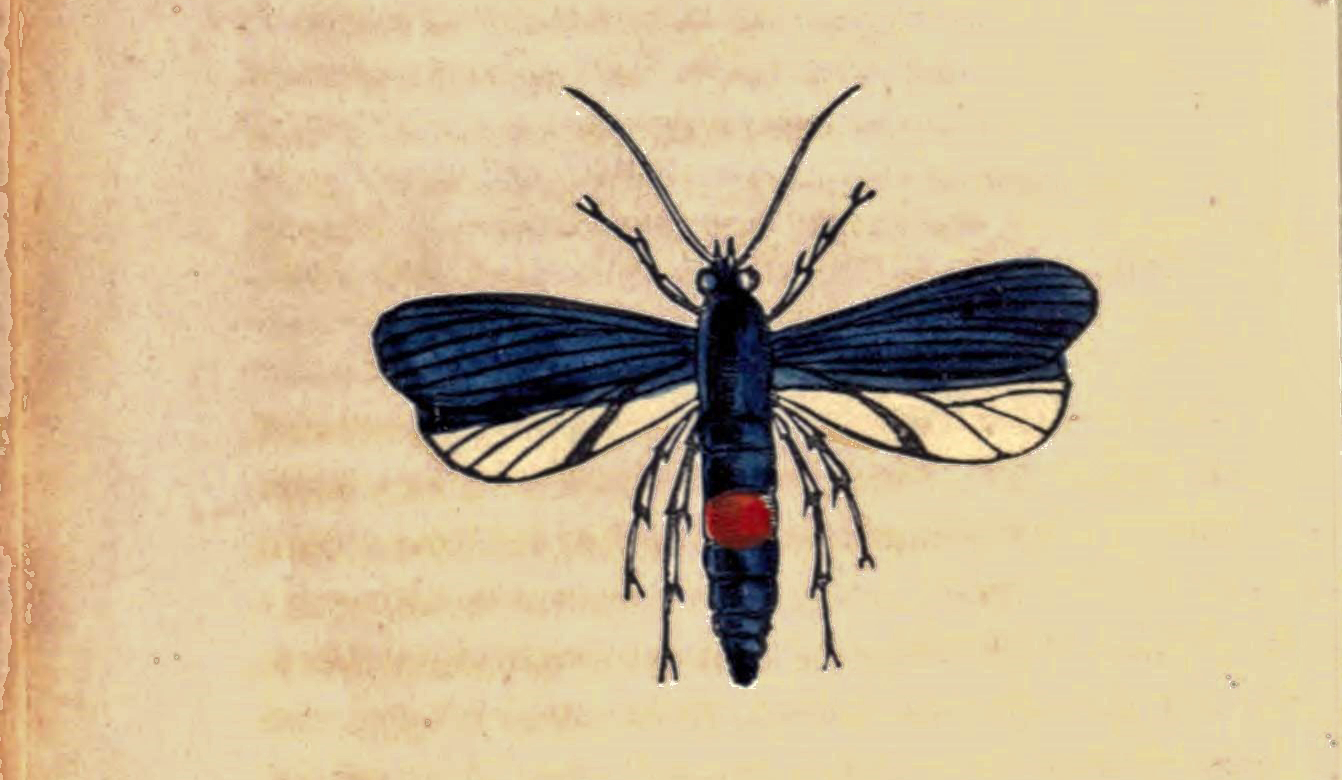
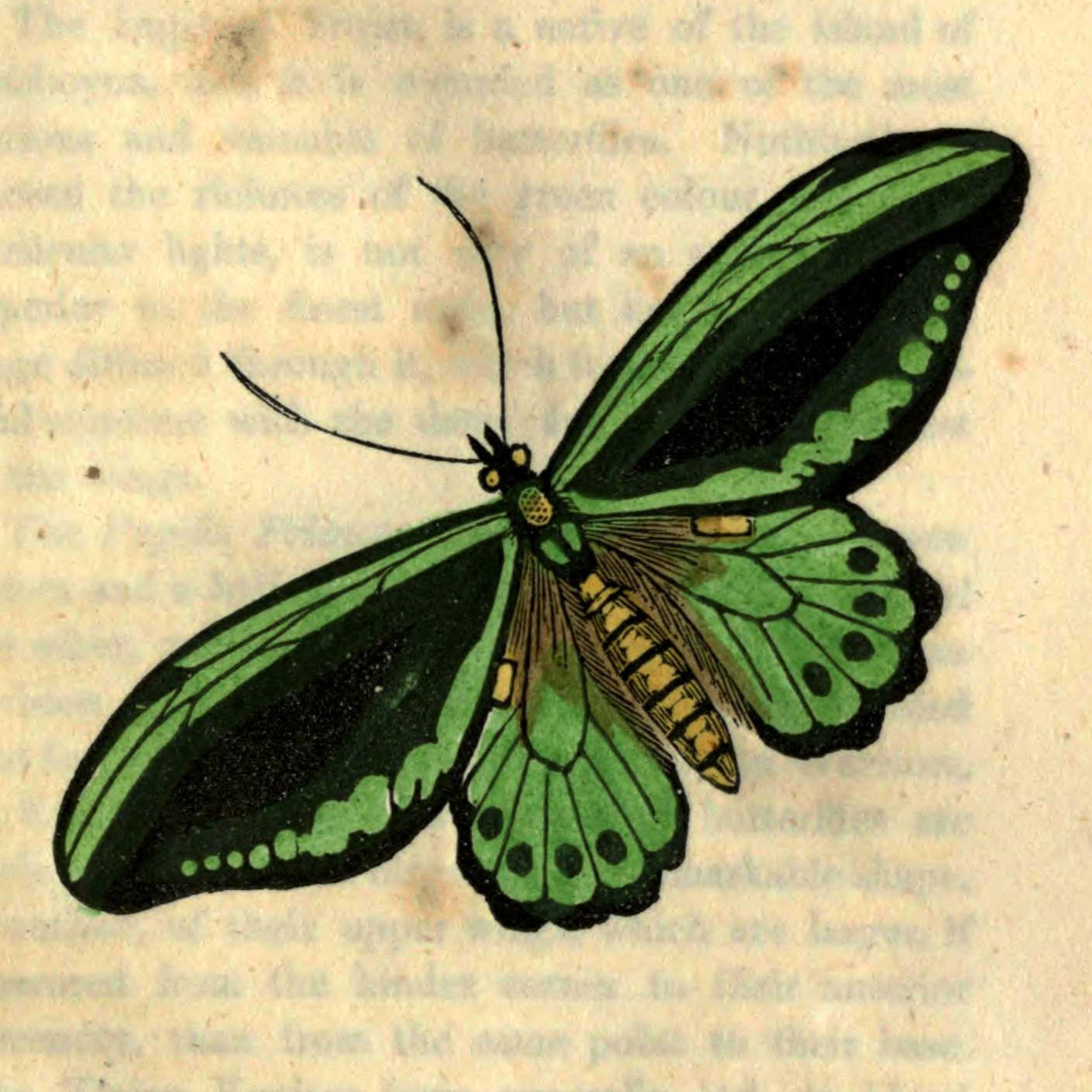
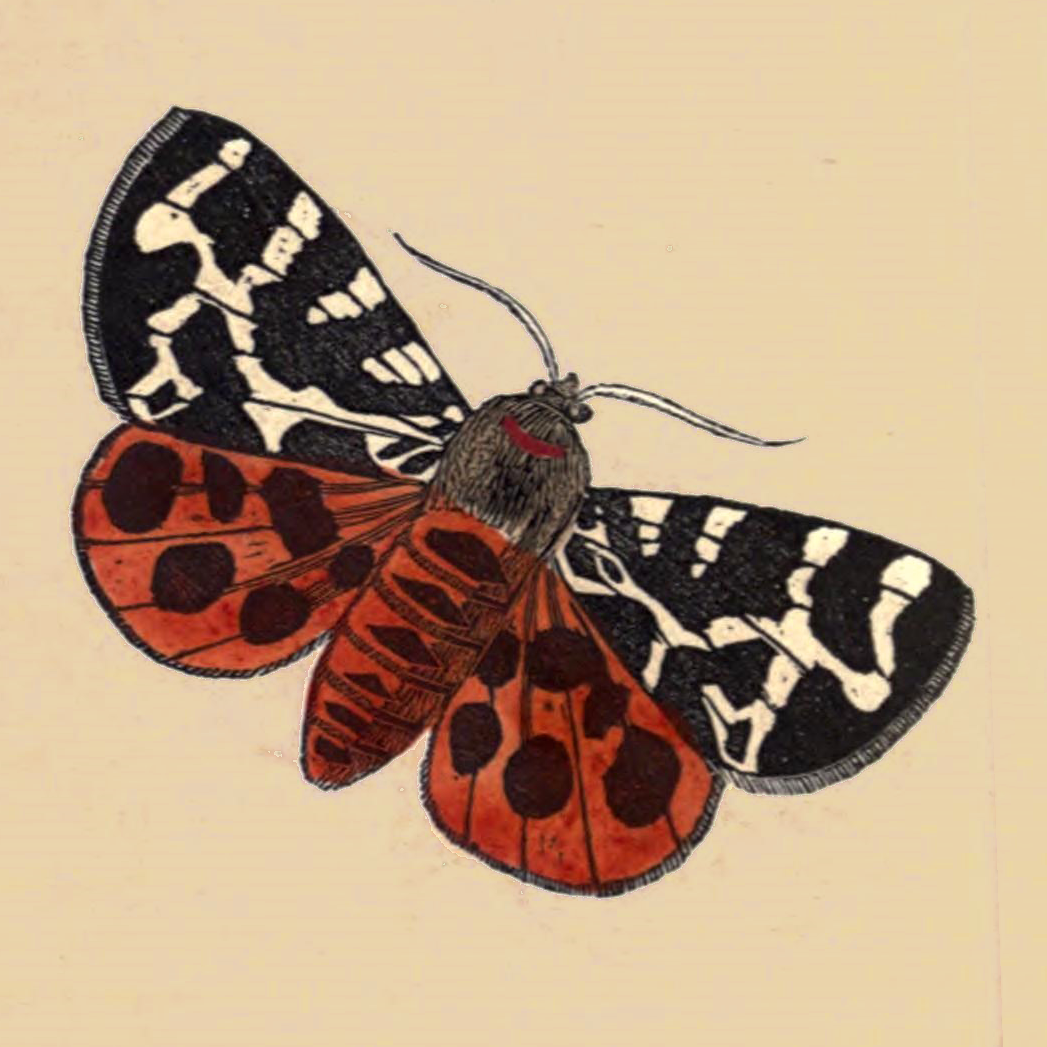
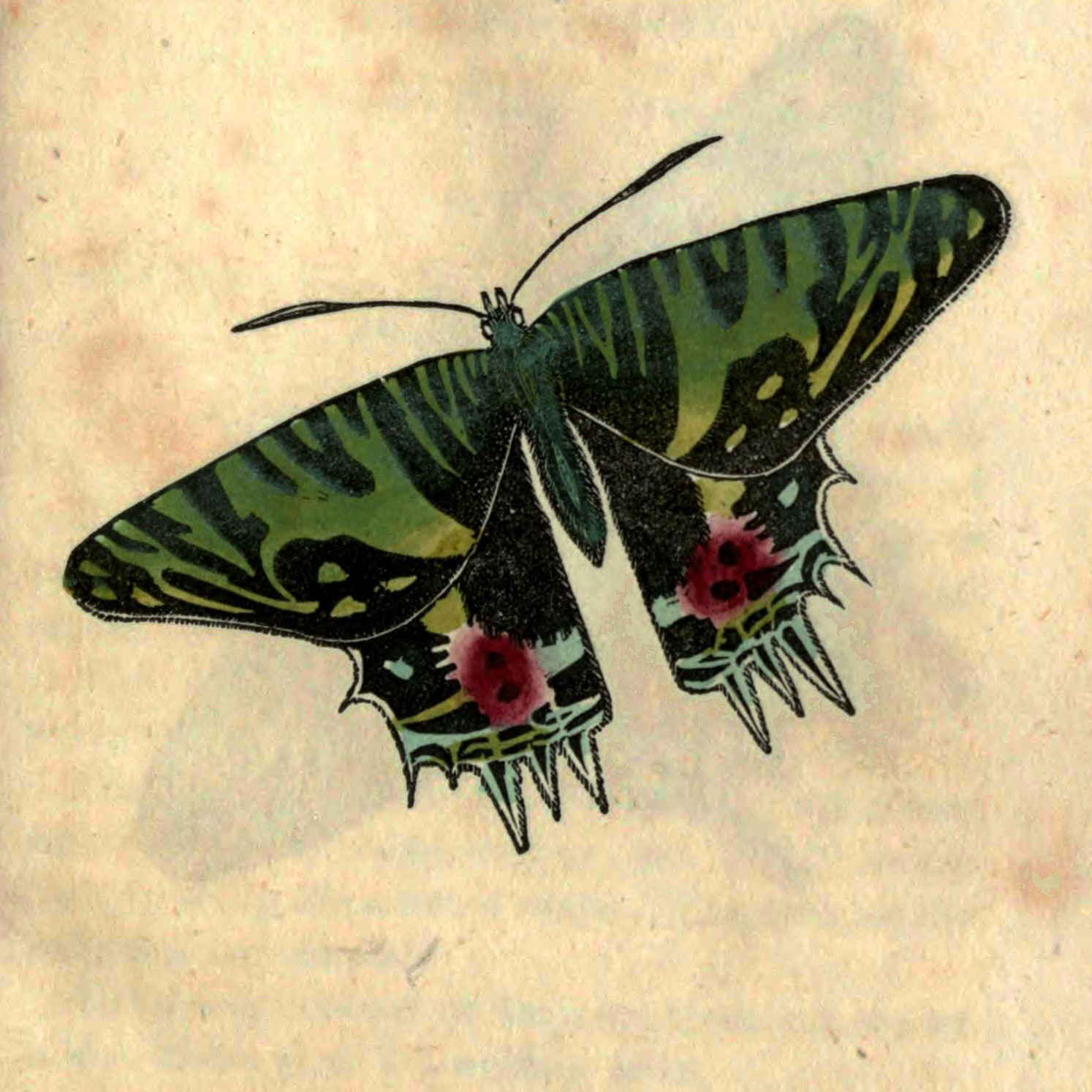
Illustrations from The Book of Butterflies, Sphinxes and Moths; illustrated by one hundred and forty-four engravings, coloured after nature; in three volumes (Thomas Brown, 1832-4)

George Howell Gay: Surf, Long Beach, Rockport; I made up the date.

Such personal correspondence and diaries as survive suggest that social relations from the fifteenth to the seventeenth centuries tended to be cool, even unfriendly. The extraordinary amount of casual interpersonal physical and verbal violence, as recorded in legal and other records, shows clearly that at all levels men and women were extremely short-tempered. The most trivial disagreements tended to lead rapidly to blows, and most people carried a potential weapon, if only a knife to cut their meat. As a result, the law courts were clogged with cases of assault and battery. The correspondence of the day was filled with accounts of brutal assault at the dinner-table or in taverns, often leading to death. Among the upper classes, duelling, which spread to England in the late sixteenth century, was kept more or less in check by the joint pressure of the Puritans and the King before 1640, but became a serious social menace after the Restoration. Friends and acquaintances felt honour bound to challenge and kill each other for the slightest affront, however unintentional or spoken in the careless heat of passion or drink. Casual violence from strangers was also a daily threat. Brutal and unprovoked assaults by gangs of idle youths from respectable families, such as the Mohawks, were a frequent occurrence in eighteenth-century London streets; and the first thing young John Knyveton was advised to do when he came to the fashionable western suburb of London in 1750 was to buy himself a cudgel or a small sword and to carry it for self-defence, especially after dark.
—Lawrence Stone: The Family, Sex and Marriage in England, 1500-1800 (1977)
Image:
Theodoor Rombouts: Card and Backgammon Players Fight over Cards (1620-1629)

Kay Sage: Tomorrow is Never (1955)
DESTINY
If I turn back
at least I shall not have
the sun in my face.
But then there will always be
the long shadow of myself
before me.






 corvusfugit.com