1936: Gold Were His Limbs where He Was Bird

Amos Nattini - Divina Commedia, Purgatorio Canto XXXI (1936)

In 1921, the Istituto nazionale dantesco in Milan commissioned a lavish edition of the Divine Comedy to celebrate the 600th anniversary of Dante’s death; the edition was to include an original color plate for each of the 100 canti of the poem. Chosen for this monumental task was Amos Nattini, a 29-year-old artist from Genoa who spent the next twenty years devoted to the project.

Beginning in 1915, the plates were exhibited to the public as Nattini produced them; the sumptuous volumes themselvesmeasuring about 2 x 4 feet—were published in 1928, 1936, and 1941 in a limited edition of a thousand numbered copies.

The image above represents the moment of Beatrice’s appearance in Canto XXIX of the Purgatorio. Beatrice, the love of whom Dante first detailed in the Vita Nuova, is the representation of divine guidance as Dante travels from Hell to Purgatory to Heaven. Here, she appears at the top of the mountain of Purgatory, in the Garden of Eden—whence she will lead Dante through the spheres of Heaven. Appearing at the end of an elaborate symbolic procession that has included candles trailing rainbow bands of smoke, biblical figures, animals with wings full of eyes, dancing women of many colors (one with three eyes), and many others, Beatrice rides a golden chariot pulled by a griffin:

Tanto salivan che non eran viste;
le membra d’oro avea quant’ era uccello,
e bianche l’altre, di vermiglio miste.

[His wings] reached high out of sight;
gold were his limbs where he was bird;
and white the rest, with crimson mixed.

The griffin has traditionally been seen here as a figure of Christ, its combined elements (eagle and lion) corresponding to Christ’s two natures: divine (“high out of sight”) and human, the crimson color representing the blood of the Passion.
Posted in Uncategorized | Tagged , , , , , , , , , , | Leave a comment

1780: The Dark Day

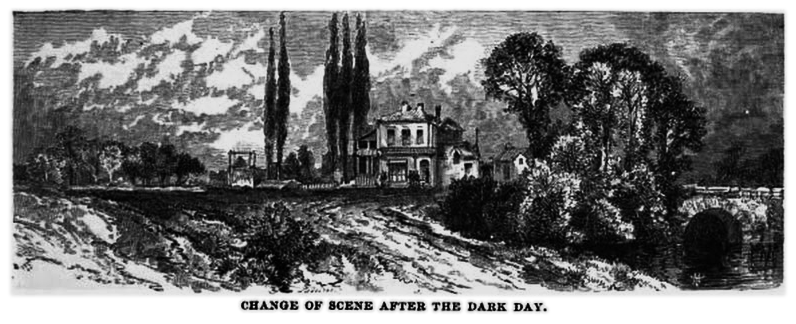
Change of Scene After the Dark Day

The 19th of May, 1780, was distinguished by the phenomenon of a remarkable darkness over all the northern States, and is still called the Dark day.

The darkness commenced between the hours of 10 and 11 A. M., and continued to the middle of the next night. It was occasioned by a thick vapour or cloud, tinged with a yellow color, or faint red, and a thin coat of dust was deposited on white substances.

The wind was in the southwest ; and the darkness appeared to come on with clouds in that direction. Its extent was from Falmouth (Maine) to New Jersey. The darkness appears to have been the greatest in the county of Essex (Mass.) in the lower part of New Hampshire, and Maine; it was also great in Rhode Island and Connecticut. In most parts of the country where the darkness prevailed, it was so great, that persons were unable to read common print, determine the time of day by their clocks or watches, dine, or manage their domestic business, without additional light;  candles were lighted up in their houses; the birds having sung their evening songs, disappeared and became silent; the fowls retired to roost; the cocks were crowing all around as at break of day; objects could be distinguished but a very little distance; and every thing bore the appearance and gloom of night.

—John Warner Barber: Interesting Events in the History of the United States: Being a Selection of the Most Important and Interesting Events which Have Transpired Since the Discovery of this Country to the Present Time. Carefully Selected from the Most Approved Authorities (1828)

The 19th of May, 1780, was a very dark day. Candles were lighted in many houses; the birds were silent and disappeared; and the fowls retired to roost. At this time the Legislature of Connecticut was in session in Hartford. A very general opinion prevailed, that the day of judgment was at hand. The house of Representatives, being unable to transact their business, adjourned. A proposal to adjourn the Council was under consideration. When the opinion of Col. Davenport was asked, he answered, “I am against an adjournment. The day of judgment is either approaching, or it is not. If it is not, there is no cause for an adjournment; if it is, I choose to be found doing my duty. I wish therefore that candles may be brought.”

—Timothy Dwight: Travels in New-England and New-York, Vol. 3 (1822)

It thunderd early this Morning and raind about 7 or 8. About 9 a Darkness came on gradually encreasing at 11. I could neither read nor write without a Candle which soon became necessary for Family Business and continued untill past 3 P.M. A Heavy black Cloud hung at the Westward and Northward, a Thin Vapour Smoak or Fog rising up now and then and almost covering it at Times streaming like the Corruscations of the Aurora Borealis. In the Southern Hemisphere the Clouds appear low, thin and empty running in different Directions. Very little Wind or Rain during the Darkness. The Clouds have a brassy Appearance and the whole Complexion of the Clouds impresses the Mind with an Idea of an Approaching Hurricane, and a universal Gloom everywhere appears. About half after 3 the Wind which before had been South and So. West, sprung up at the North West, dispersd the Clouds and brought us Day. In the Evening the Wind Shifted to the East about 9. at Night and Darkness came on and held untill 12. The Moon had then risen and was full. I frequently during that Time went out of my House and could not abroad discern my Hand tho applied ever so near my Eyes. During the Darkness of the Day, a disagreable Smell was perceivd, some resembling it to the smell proceeding from a Chimney on Fire, others to that which arises from Swamps on Fire. A like Smell was perceivd In the Evening united with that of Sea Salts.

—Letter from Cotton Tufts to John Adams, 19 May 1780 (source)

Image: Illustration from Richard Miller Devens and Charles W. Chase’s The Glory of Our Youth as Portrayed in the Events and Movements that Have Chiefly Distinguished the Marvelous Advance of the American Nation from Colony to World Power (1909)

Posted in Uncategorized | Tagged , , , , , , , , | 1 Comment

1899: Lake

Isaak Levitan - The Lake, Eventide (1899)

Isaak Levitan: The Lake, Eventide (1899)

Posted in Uncategorized | Tagged , , , , , , , | Leave a comment

1878: Pyramid

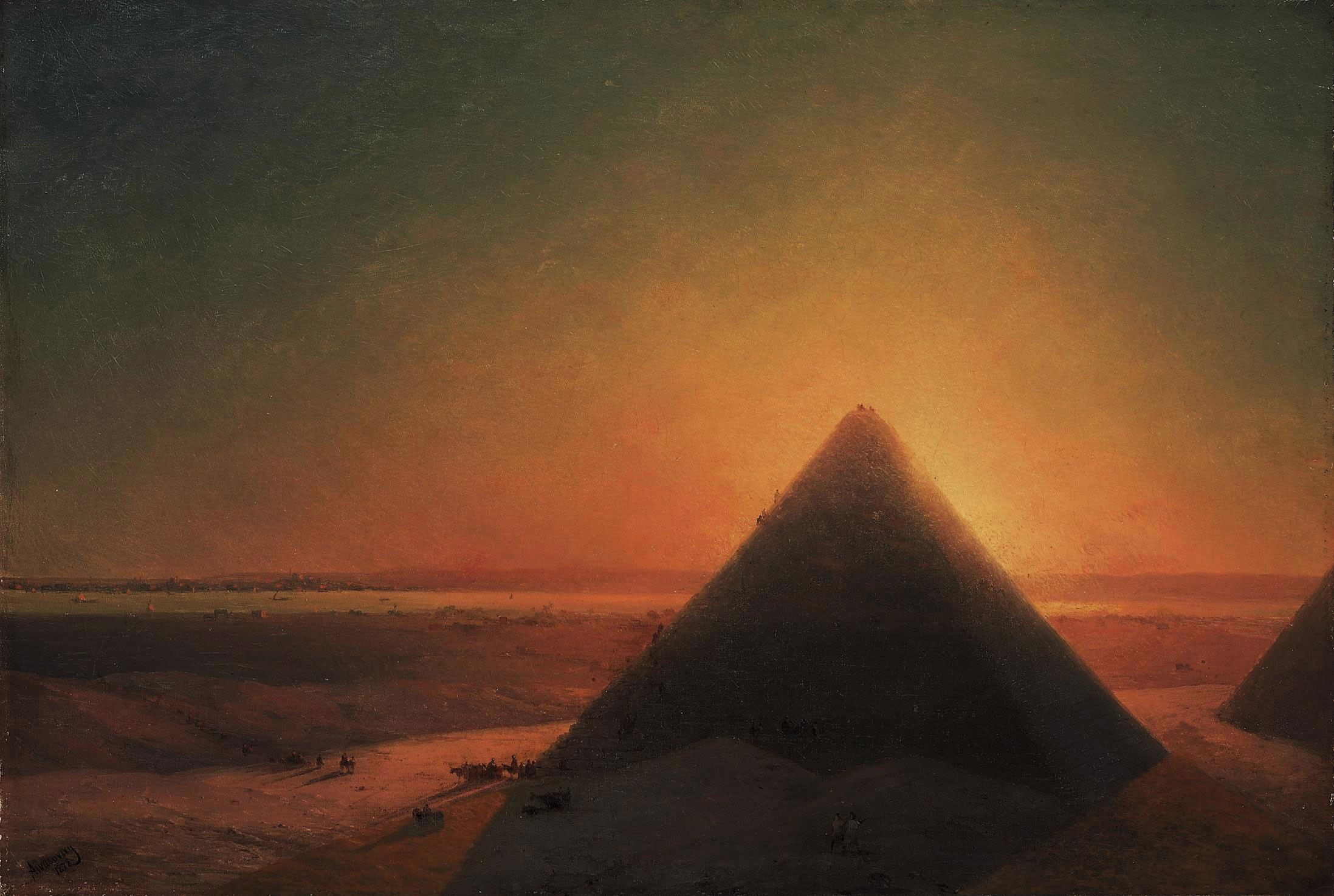
Ivan Aivazovsky - The Great Pyramid of Giza (1878)

Ivan Aivazovsky: The Great Pyramid of Giza (1878)

Posted in Uncategorized | Tagged , , , , , , , | Leave a comment

1990: Monte Carlo

Robert Bechtle - Working Proof 2 for Albany Monte Carlo (1990)

Robert Bechtle: Working Proof 2 for Albany Monte Carlo (1990)

Posted in Uncategorized | Tagged , , , , , , , | 3 Comments

1908: Sunset

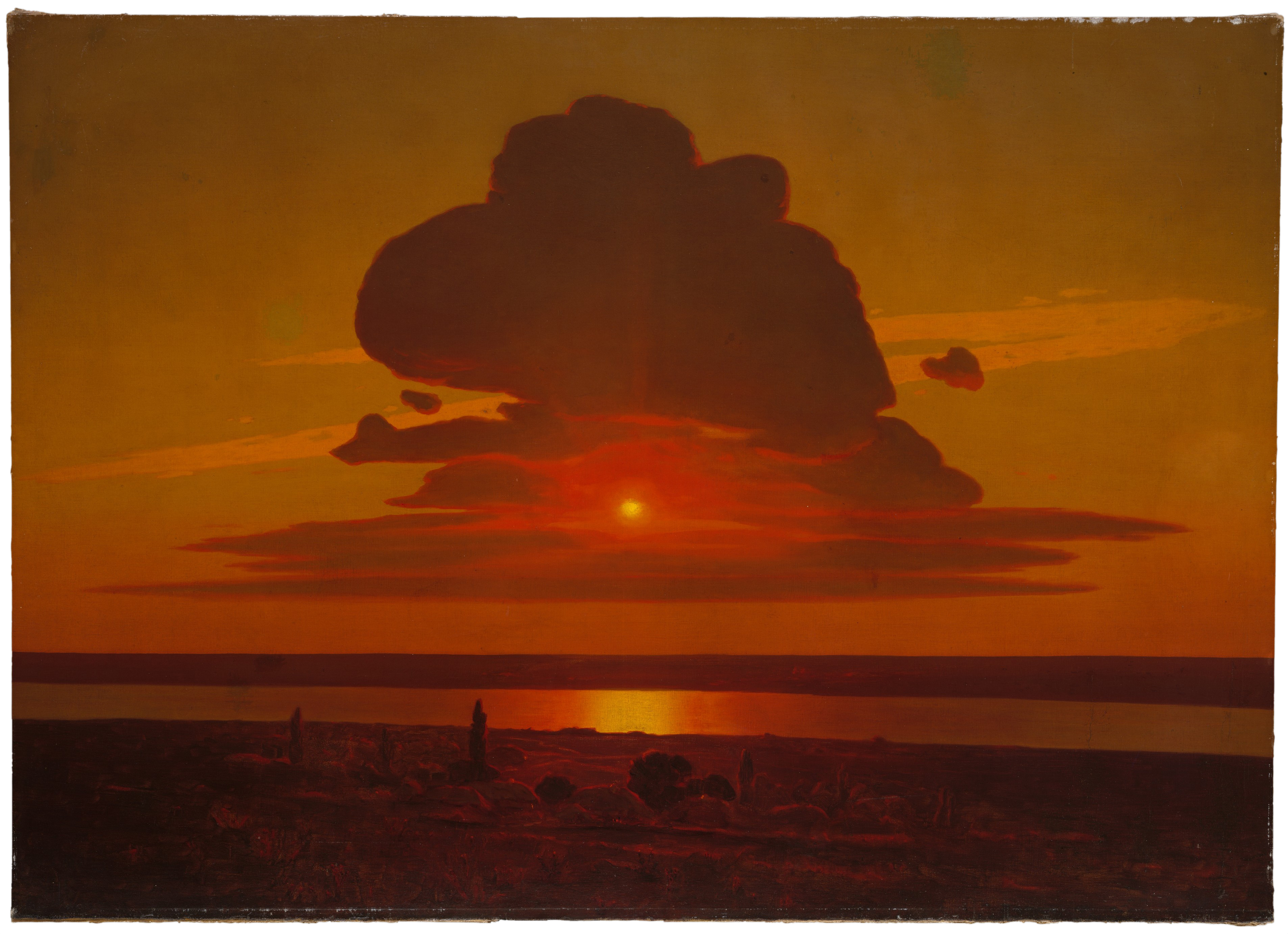
1974.100

Arkhip Kuindzhi: Red Sunset on the Dnieper (1908)

Posted in Uncategorized | Tagged , , , , , , | Leave a comment

1922: Description of a Demon

E. R. Eddison - The Worm Ouroboros (1922)The hum of talk drowned the words, but leaning forward Lessingham saw where the arras curtains behind the dais parted for a moment, and one of princely bearing advanced past the high seats down the body of the hall. His gait was delicate, as of some lithe beast of prey newly wakened out of slumber, and he greeted with lazy grace the many friends who hailed his entrance. Very tall was that lord, and slender of build, like a girl. His tunic was of silk coloured like the wild rose, and embroidered in gold with representations of flowers and thunderbolts. Jewels glittered on his left hand and on the golden bracelets on his arms, and on the fillet twined among the golden curls of his hair, set with plumes of the king-bird of Paradise. His horns were dyed with saffron, and inlaid with filigree work of gold. His buskins were laced with gold, and from his belt hung a sword, narrow of blade and keen, the hilt rough with beryls and black diamonds. Strangely light and delicate was his frame and seeming, yet with a sense of slumbering power beneath, as the delicate peak of a snow mountain seen afar in the low red rays of morning. His face was beautiful to look upon, and softly coloured like a girl’s face, and his expression one of gentle melancholy, mixed with some disdain; but fiery glints awoke at intervals in his eyes, and the lines of swift determination hovered round the mouth below his curled moustachios.

“At last,” murmured Lessingham, “at last, Lord Juss!”

E. R. Eddison: The Worm Ouroboros (1922)

Posted in Uncategorized | Tagged , , , , , , | Leave a comment

1939: The History of Spitting

Daniel Bowen - Do Not Spit - Do Not Think(2014)

The pioneering sociologist Norbert Elias published The Civilizing Process in 1939 with the aim of tracing how Europeans came to imagine what it meant to be “civilized.” In the book, he argues that increasing interdependence in societyin which difference social classes began to mixcombined with the increasing centralization of power in the modern state to place a new emphasis on control over one’s self and one’s body. “Civilization” was thus not some objectively enlightened state of being, but the result of certain social and historical accidents. (Indeed, in 1939, the world was about to witness the monstrous inhumanity of which “civilization” was capable.)

His method in the book is to begin with chronologically listed excerpts from various guides to good manners. In the excepts on spitting, for example, there are few restrictions on public spitting in the middle ages (spit whenever and anywhere you like, just not over or on the table or in the basin where you wash your hands); by the end of the 19th century, it is completely condemned:

Middle Ages

From Stans puer in mensam:

Do not spit over or on the table.
Do not spit into the bowl when washing your hands.

From a Contenence de table:

Do not spit on the table.
Do not spit into the basin when you wash your hands, but beside it.

From The Book of Curtesye:

If thou spitt over the borde, or elles opon,
thou schalle be holden an uncurtayse mon.
After mete when thou shall wasshe,
spitt not in basyn, ne water thou dasshe.

From Zarncke, Der deutsche Cato, p. 137:

Do not spit across the table in the manner of hunters.

1530
From De civilitate morum puerilium, by Erasmus:

Turn away when spitting, lest your saliva fall on someone. If anything purulent falls to the ground, it should be trodden upon, lest it nauseate someone. If you are not at liberty to do this, catch the sputum in a small cloth. It is unmannerly to suck back saliva, as equally are those whom we see spitting at every third word not from necessity but from habit.

Continue reading

Posted in Uncategorized | Tagged , , , , , , , , , , , , , , | Leave a comment

2014: Starts With

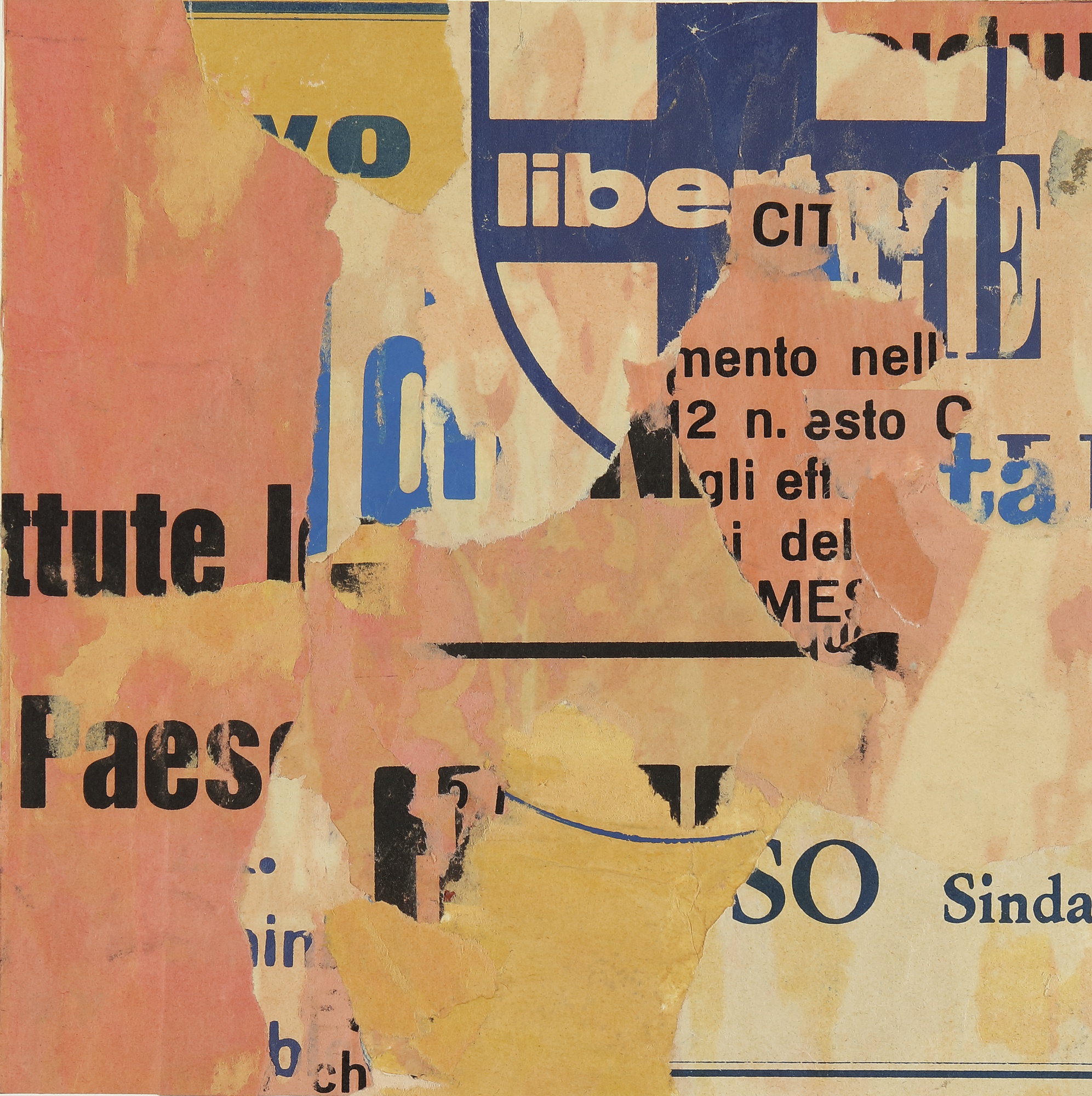
Richard Meier - SINDA (2014)

Richard Meier: SINDA (2014)

Italian words that start with “sinda“:

sindaco, mayor
sindacato, labor union
sindacale, union
sindacalista, union official, trade unionist
sindacare, to judge
sindacalismo, trade unionism
sindacalizzarsi, to unionize

Posted in Uncategorized | Tagged , , , , , , , , , | Leave a comment

2018: The Sky

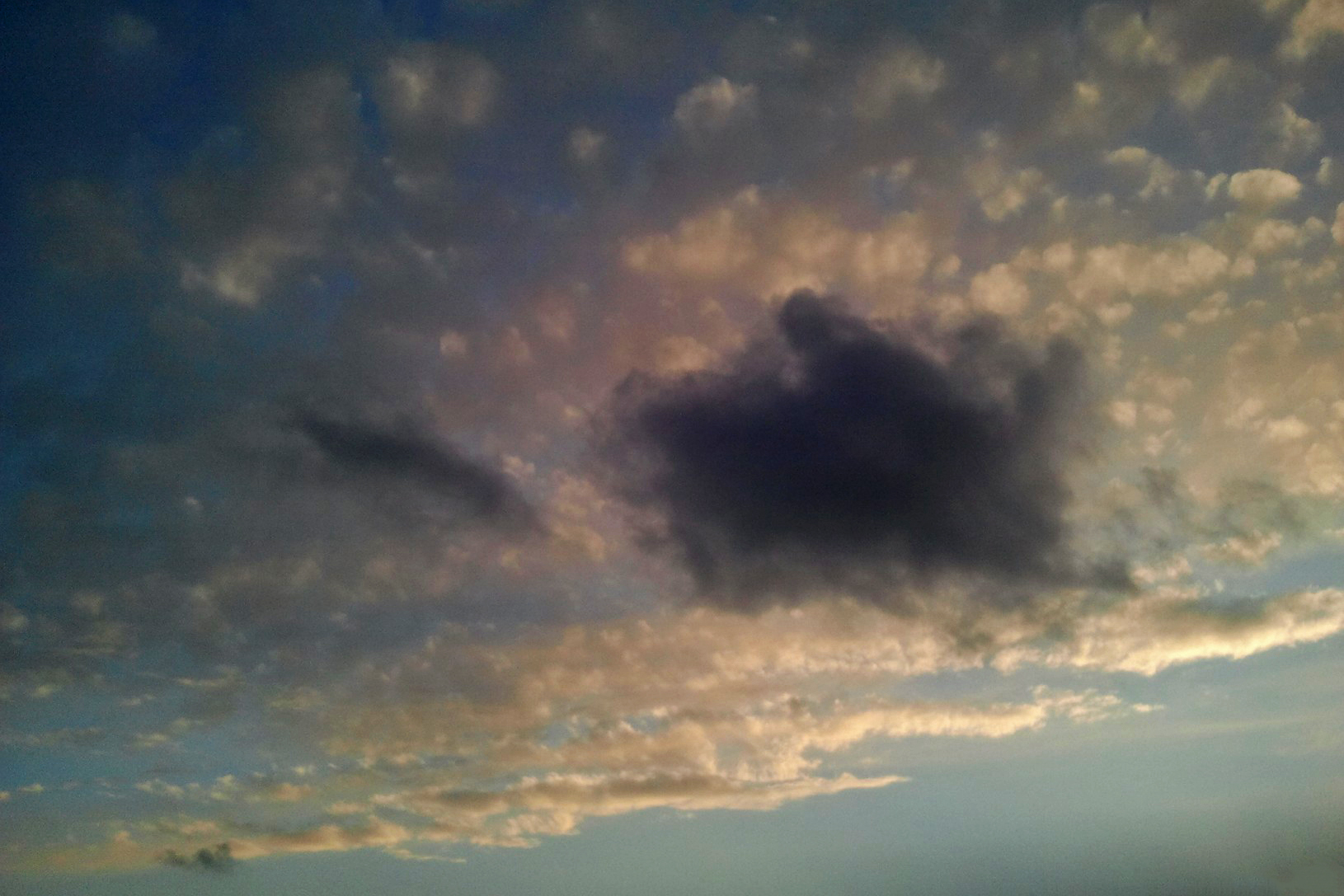
2018-03-01-18

This evening’s sky. See more here.

Posted in Uncategorized | Tagged , , , , , | Leave a comment