
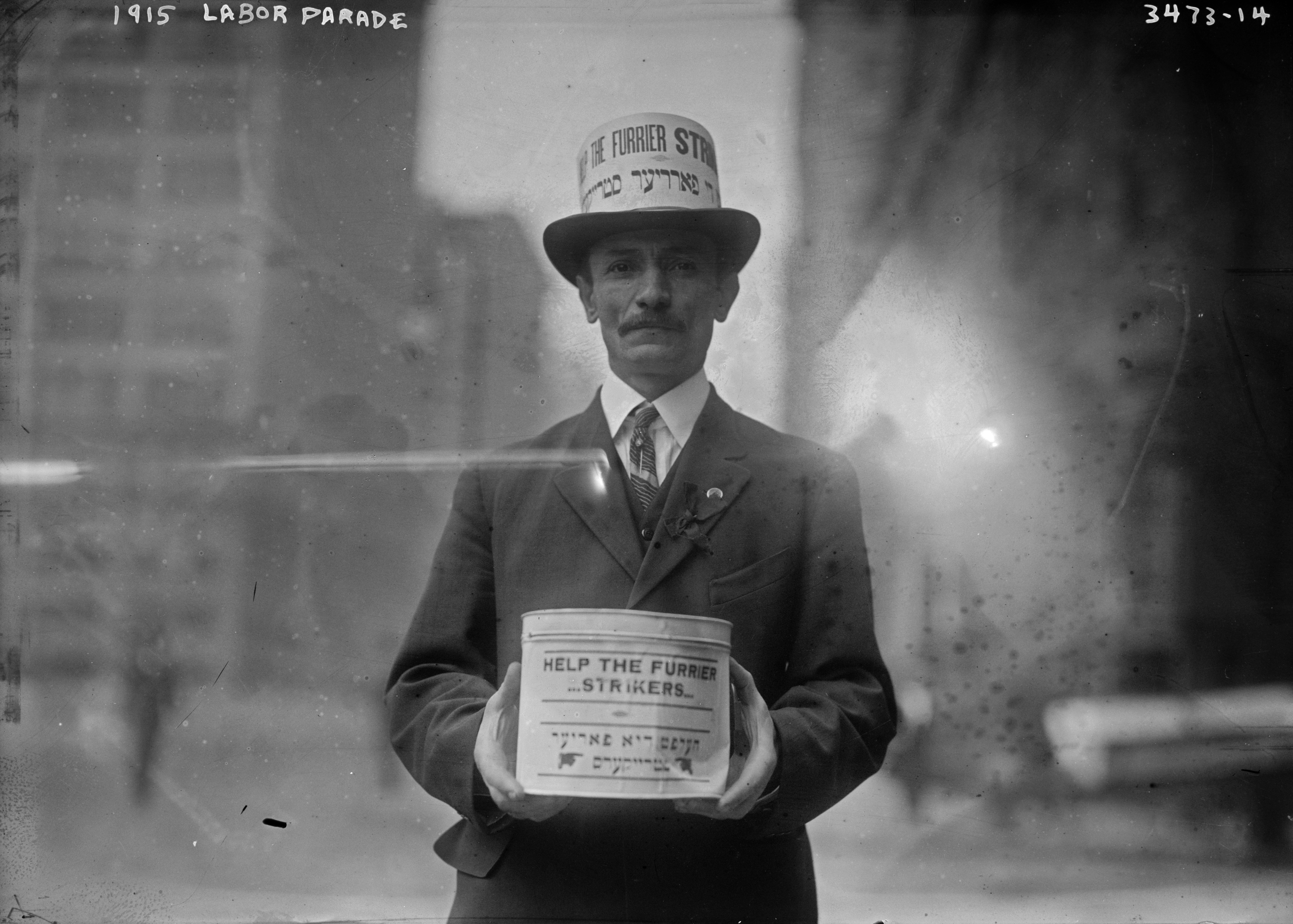
Happy May Day!
Happy May Day!

Endpaper maps from William T. Innes’s Exotic Aquarium Fishes (13th ed., 1951), with a grid the reader can use to find the location of the various fishes listed in the book.
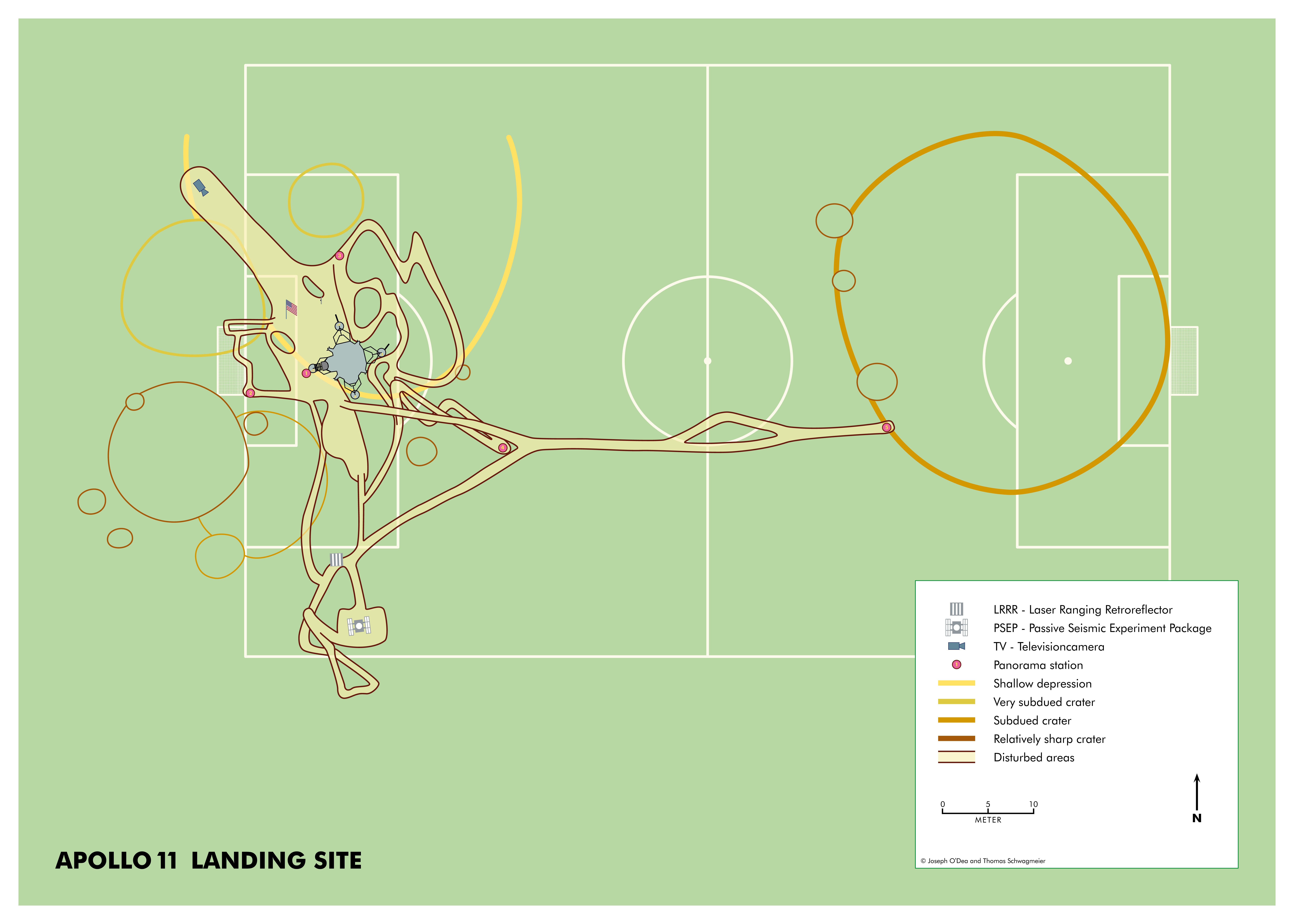
Thomas Schmagmeier made this map of the Apollo 11 landing site overlaid on a soccer field to give a sense of scale to the distances traveled by the astronauts. He also made a baseball version. (These are revised versions of earlier maps found here and here—which include more detailed notation.)
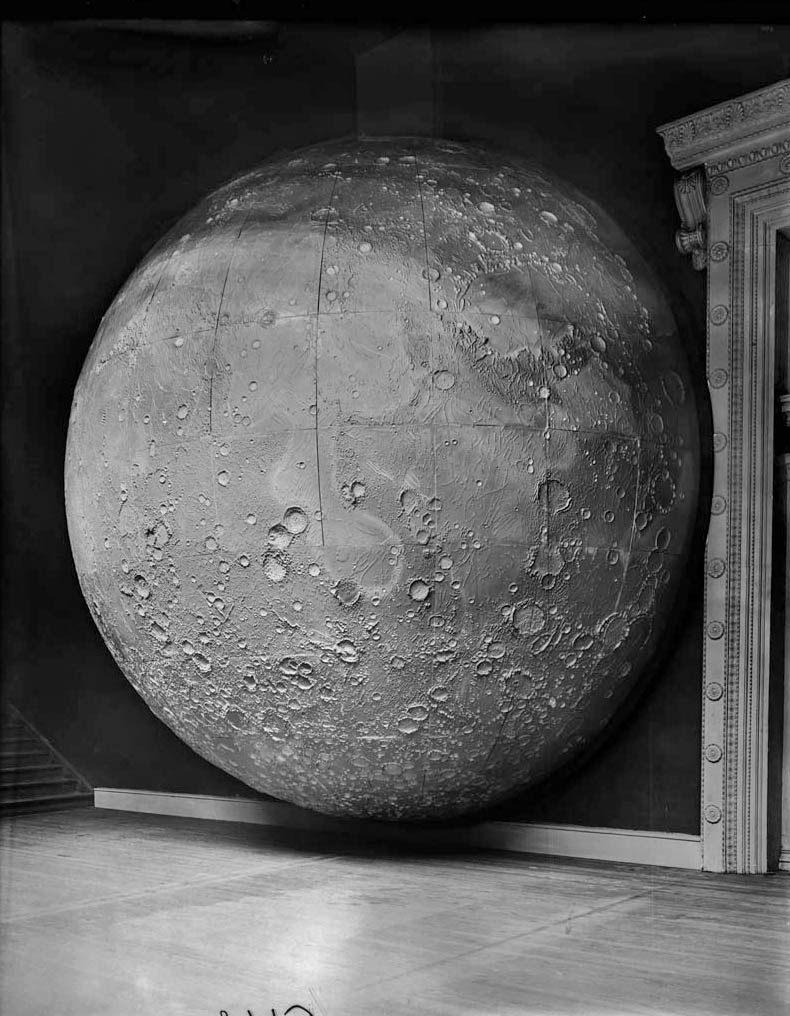
This model of the moon—made of 116 sections of plaster on a framework of wood and metal—was prepared by Johann Friedrich Julius Schmidt for the Field Columbian Museum in Chicago; the museum was located on the grounds of the World’s Columbian Exposition, and housed the artifacts from the anthropology, botany, geology and zoology collections from the fair.
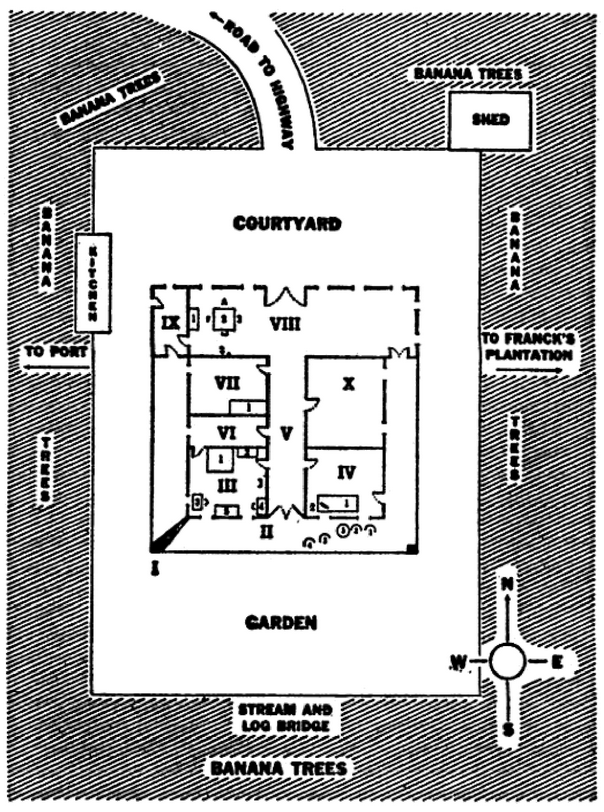
From Alain Robbe-Grillet’s 1957 novel, Jealousy:
Now the shadow of the southwest column– at the corner of the veranda on the bedroom side– falls across the garden. The sun, still low in the eastern sky, rakes the valley from the side. The rows of banana trees, growing at an angle to the direction of the valley, are everywhere quite distinct in this light.
From the bottom to the upper edge of the highest sectors, on the hillside facing the one the house is built on, it is relatively easy to count the trees; particularly opposite the house, thanks to the recent plantings of the patches located in this area.
The valley has been cleared over the greater part of its width here: there remains, at present, nothing but a border of brush (some thirty yards across at the top of the plateau) which joins the valley by a knoll with neither crest nor rocky fall.
The line of separation between the uncultivated zone and the banana plantation is not entirely straight. It is a zigzag line, with alternately protruding and receding angles, each belonging to a different patch of different age, but of a generally identical orientation.
Just opposite the house, a clump of trees marks the highest point the cultivation reaches in this sector. The patch that ends here is a rectangle. The ground is invisible, or virtually so, between the fronds. Still, the impeccable alignment of the boles shows that they have been planted only recently and that no stems have as yet been cut.
Starting from this clump of trees, the patch runs downhill with a slight divergence (toward the left) from the greatest angle of slope. There are thirty-two banana trees in the row, down to the lower edge of the patch.
Prolonging this patch toward the bottom, with the same arrangement of rows, another patch occupies the space included between the first patch and the little stream that flows through the valley bottom. This second patch is twenty-three trees deep, and only its more advanced vegetation distinguishes it from the preceding patch: the greater height of the trunks, the tangle of fronds, and the number of well-formed stems. Besides, some stems have already been cut. But the empty place where the bole has been cut is then as easily discernible as the tree itself would be with its tuft of wide, palegreen leaves, out of which comes the thick curving stem bearing the fruit.
Furthermore, instead of being rectangular like the one above it, this patch is trapezoidal; for the stream bank that constitutes its lower edge is not perpendicular to its two sides– running up the slope– which are parallel to each other. The row on the right side has no more than thirteen banana trees instead of twenty-three.
And finally, the lower edge of this patch is not straight, since the little stream is not: a slight bulge narrows the patch toward the middle of its width. The central row, which should have eighteen trees if it were to be a true trapezoid, has, in fact, only sixteen.
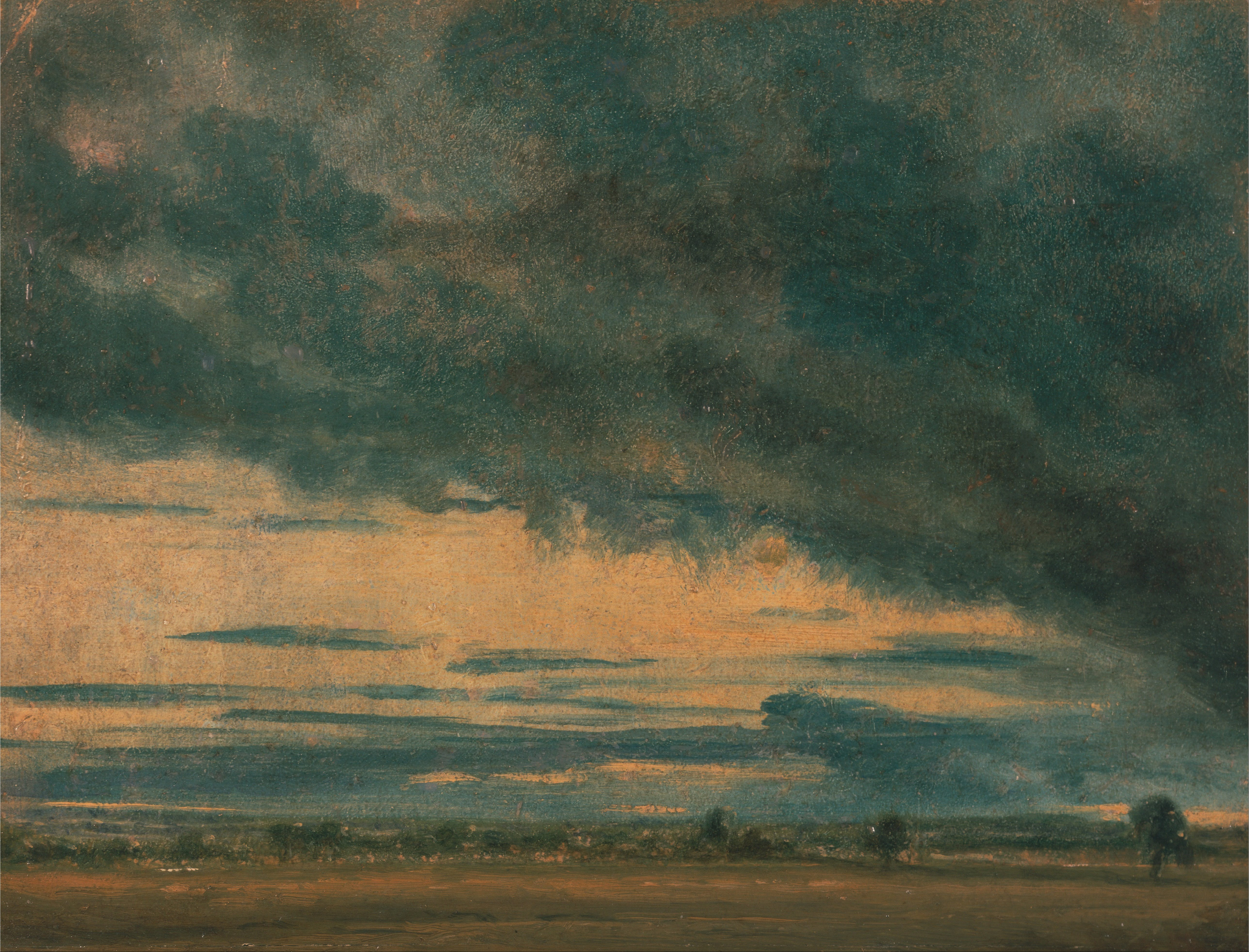
John Constable: Evening Landscape after Rain (c. 1821)
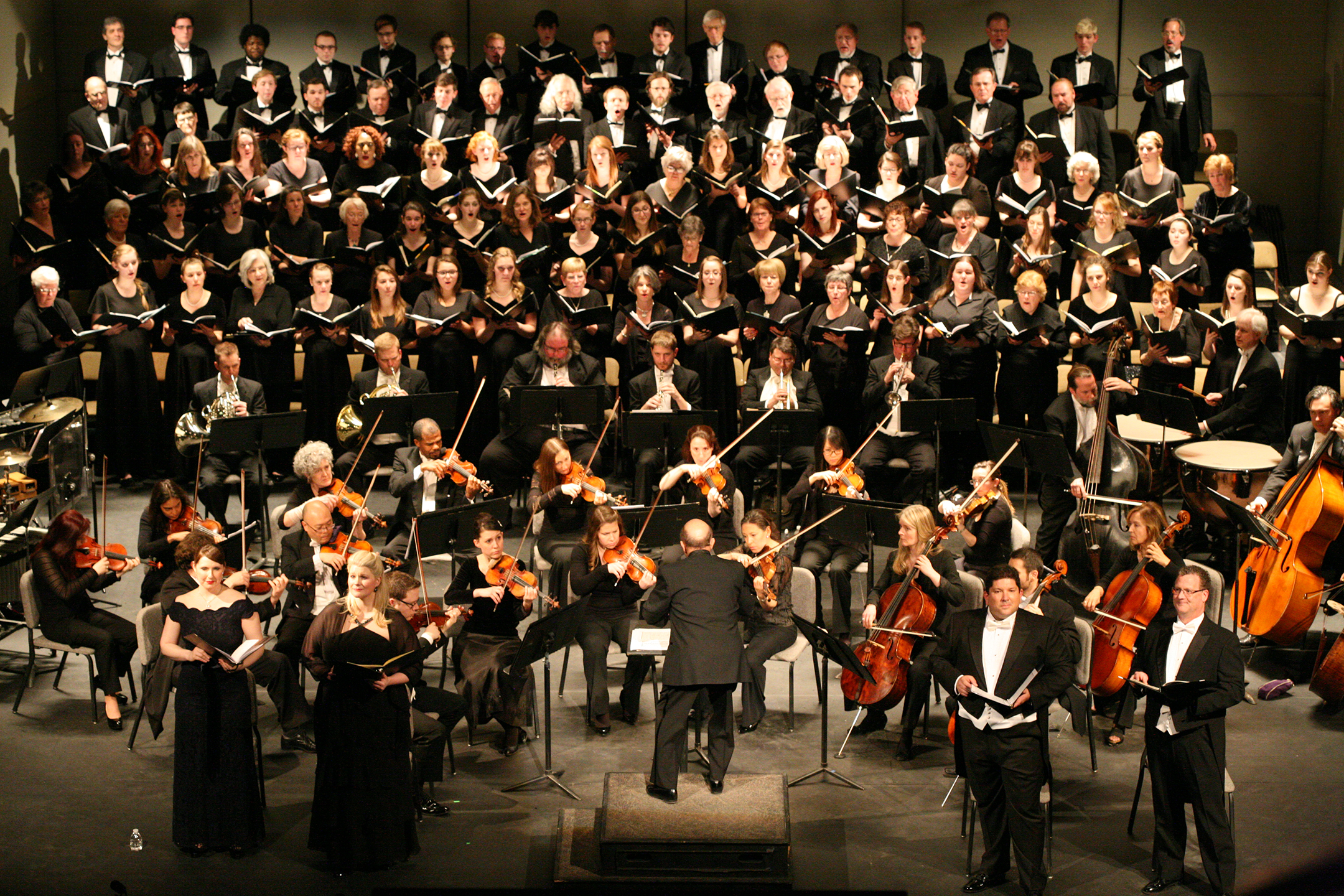
In 2016, The Lancaster Symphony Orchestra argued in a legal hearing that its musicians—members of the Greater Lancaster Federation of Musicians, AFM #294, AFL-CIO—were independent contractors and thus could not form a union.
The appellate court did not agree, finding that orchestra musicians do not, as a rule, operate independently, but must work under significant control by the orchestra and the conductor. The principal trombonist, for example, “testified that the conductor determines when musicians come in, as well as their volume and pitch. Asked whether musicians could ‘use their independent discretion to play louder, if they thought it sounded better,’ the trombonist responded ‘only initially’ but ‘not after’ the conductor directs otherwise.”
Here’s more:
In this case, record evidence demonstrates that the Lancaster Orchestra regulates virtually all aspects of the musicians’ performance. It controls their posture, including prohibiting them from crossing their legs, and requires them to remain attentive throughout the performance. Musicians must confine conversations during rehearsals to matters concerning the rehearsal, and they may not talk at all during tuning or when the conductor is on the podium. Musicians must warm up quietly and never interfere with the concentration of others. And when the conductor signals for the orchestra to acknowledge applause, the musicians must stand immediately, turn to face the audience, and smile.
Even more significant, the Lancaster Orchestra’s conductor exercises virtually dictatorial authority over the manner in which the musicians play….Illustrating the extent of the conductor’s control, the principal trombonist testified that the conductor’s role is not simply to keep time while the musicians follow the music but rather to mold the performance into the conductor’s personal interpretation of the score.
The court also cited several eminent conductors in its ruling in favor of the union.

Carl Fredrik Hill: Family (c. 1900)
There is a lake in the north of Munster which contains two islands, one rather large and the other rather small. The larger has a church venerated from the earliest times. The smaller has a chapel cared for most devotedly by a few celibates called “heaven-worshippers” or “god-worshippers.” No woman or animal of the female sex could ever enter the larger island without dying immediately. This has been proved many times by instances of dogs and cats and other animals of the female sex. When brought there often to make a trial, they immediately died. A remarkable thing about the birds there is that, while the males settle on the bushes everywhere throughout the island, the females fly over and leave their mates there and, as if they were fully conscious of its peculiar power, avoid the island like a plague. In the smaller island no one ever died or could die a natural death. Accordingly it is called the island of the living. Nevertheless the inhabitants sometimes suffer mortal sicknesses and endure the agony almost to their last gasp. When there is no hope left; when they feel that they have not a spark of life left; when as the strength decreases they are eventually so distressed that they prefer to die in death than drag out a life of death, they get themselves finally transported in a boat to the larger island, and, as soon as they touch ground there, they give up the ghost.
—Gerald of Wales, The History and Topography of Ireland (1188) (John J. O’Meara, trans.)
“I protest solemnly that I have put down nothing in this book the truth of which I have not found out either by the testimony of my own eyes, or that of reliable men found worthy of credence and coming from the districts in which the events took place,” Gerald says.
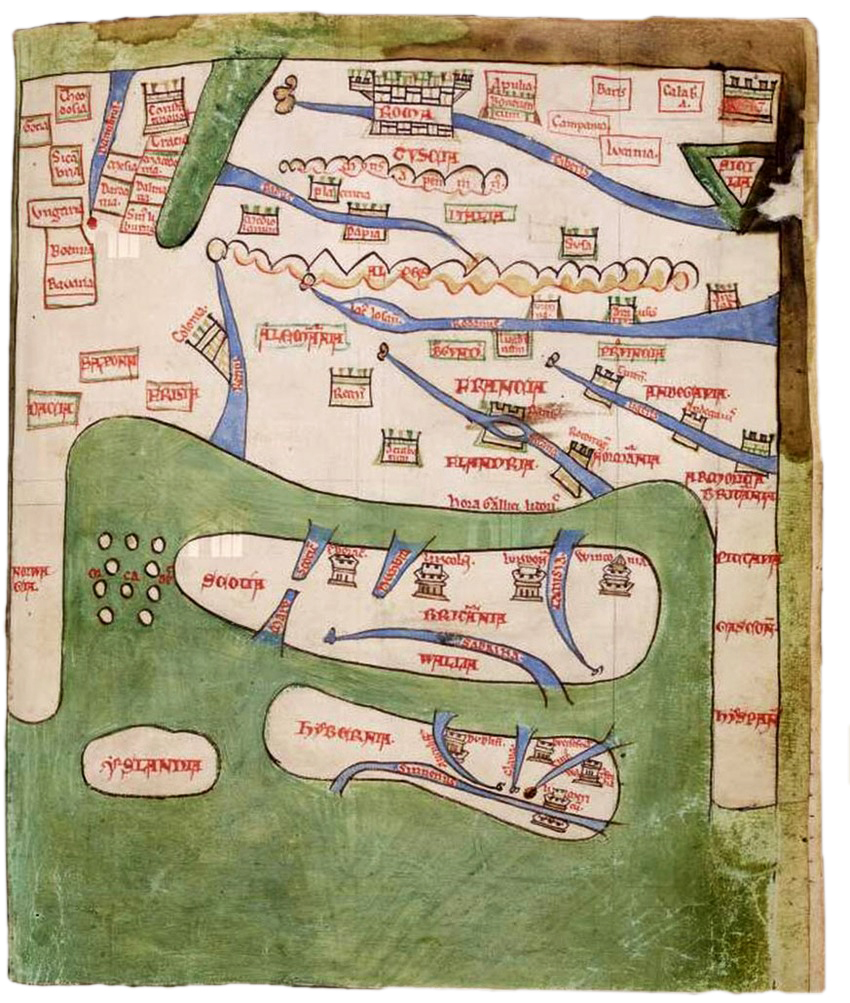
The map from the book shows Europe, Great Britain, Ireland (Hibernia), and Iceland; north is on the left.

Galatea, daughter of Eurytius, who was son of Sparton, married at Phaestus in Crete Pandion’s son, Lamprus, a man of good family but without means.
When Galatea became pregnant, Lamprus prayed to have a son and said plainly to his wife that she was to expose her child if it was a daughter. When Lamprus had gone off to tend his flocks, Galatea gave birth to a daughter.
Feeling pity for her babe, she counted on the remoteness of their house and—backed by dreams and seers telling her to bring up the girl as a boy—deceived Lamprus by saying she had given birth to a son and brought the child up as a boy, giving it the name Leucippus.
As the girl grew up she became unutterably beautiful. Because it was no longer possible to hide this, Galatea, fearing Lamprus, fled to the temple of Leto and made many a prayer to her that the child might become a boy instead of a girl, just as had happened to Caenis, daughter of Atrax, who by the will of Poseidon became Caeneus the Lapith.
So also Tiresias changed from man to woman because he had encountered and killed two snakes that had been mating at a crossroads. He changed again from woman back to man by killing another serpent. Hypermestra had frequently sold her body in the form of a woman for a fee, becoming a man to bring food for her father, Aethon. The Cretan, Siproites, had also been turned into a woman for having seen Artemis bathing when out hunting.
Leto took pity on Galatea because of her unremitting and distressed prayers and changed the sex of the child into a boy’s. In memory of this change the citizens of Phaestus still sacrifice to Leto the Grafter because she had grafted organs on the girl and they give her festival the name of Ecdysia [“Stripping”] because the girl had stripped off her maidenly peplus. It is now an observance in marriages to lie down beforehand beside the statue of Leucippus.
—Antoninus Liberalis, Metamorphosis (100-300 AD) (Francis Celoria, translator)
Image:
Head of a youth, Roman copy of a 5th century BCE Greek original (source)

 corvusfugit.com