

A dhaman (rat snake) (ptyas mucosus), Tiruchirappalli, ca.1860 (source)
In Tamil, the snake’s name is sara paambu.
A dhaman (rat snake) (ptyas mucosus), Tiruchirappalli, ca.1860 (source)
In Tamil, the snake’s name is sara paambu.

Preserved specimen of Lonchura pallida pallida [pale-headed munia] from the Naturalis Biodiversity Center in the Netherlands (1866). The pale-headed munia is a species of estrildid finch found in Indonesia. (source)

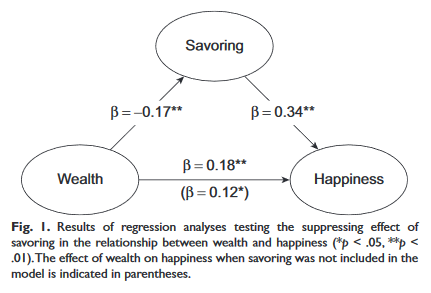 “This research provides the first evidence that money interferes with people’s ability to savor positive emotions and experiences. In a large sample of working adults, we found that wealthier individuals reported lower savoring ability. Indeed, the negative impact of money on savoring undercut other emotional benefits provided by money. We found that experimentally exposing participants to a reminder of wealth produced the same negative effect on savoring as actual wealth did, a result supporting the notion that money causally influences savoring. Moving beyond self-report, we observed that a reminder of wealth led participants to devote less time to savoring a piece of chocolate and to exhibit reduced enjoyment from this small pleasure of everyday life.”
—Jordi Quoidbach, et al. “Money Giveth, Money Taketh Away: The Dual Effect of Wealth on Happiness.” Psychological Science XX(X) 1 –5 (2010). (source)
Image: Victor Dubreuil: Barrels of Money (1897) (source)
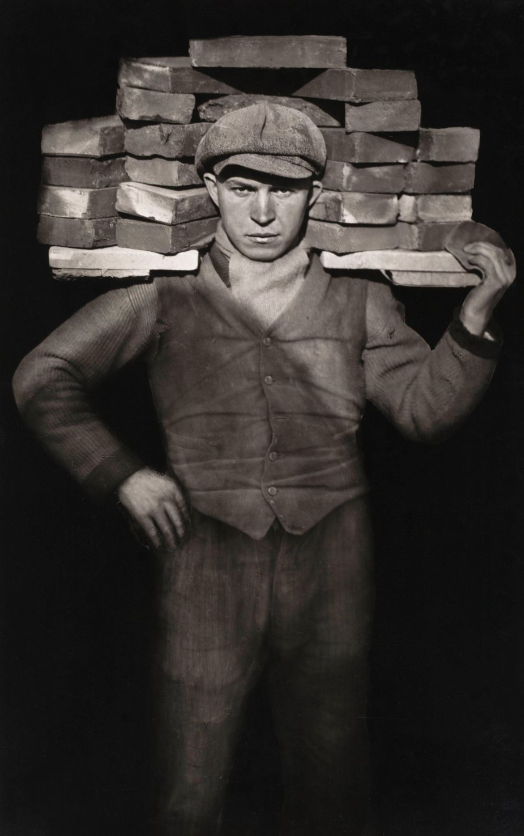
August Sandler: Bricklayer (1928) (source)

Étienne Léopold Trouvelot: Total Eclipse of the Sun. Observed July 29, 1878, at Creston, Wyoming Territory. (source)
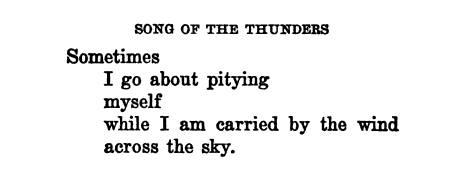
Song of the Thunders
Sometimes
I go about pitying
myself
while I am carried by the wind
across the sky.
—Chippewa (Ojibwe) song
from The path on the rainbow, an anthology of songs and chants from the Indians of North America by George W. Cronyn and Mary Hunter Austin (1918) (here)
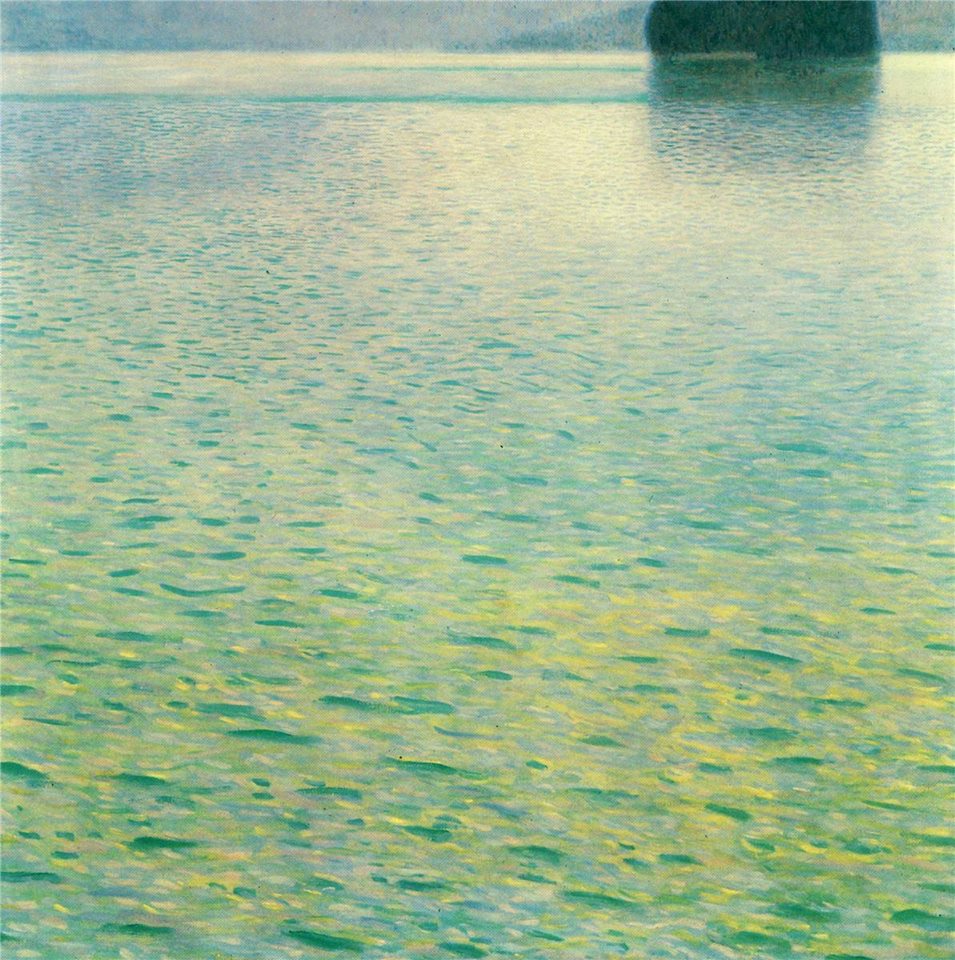
Gustav Klimt: Island in the Attersee (1902)

Athenaeus of Naucratis relates the story of a slave revolt in an early 3rd-century Greek work called the Deipnosophistae. It takes place on the Greek island of Chios, close to what is now Turkey.
Athenaeus first explains that, unlike other Greeks—who made slaves of “the Greeks who had earlier inhabited the territories which they themselves possess to‑day” —the Chians bought their slaves, who were non-Greeks. Their slaves were thus aided in their rebellion because “the Deity became wroth at the Chians for this practice.”
Athenaeus’s narrative is drawn from a lost work of another historian, Nymphodorus of Syracuse: A large number of slaves had managed to escape to the mountains on the island, and from there began to raid the storehouses of their ex-masters. One of their number, an ex-slave named Drimacus, became their leader and “being a brave man and successful in warfare, he led the fugitive slaves as a king leads an army.” The Chians attacked this rebel army, but suffered only defeats.
Drimacus thus proposed a treaty, which the Chians accepted: He would promise to steal only a certain amount from the Chian storehouses—and then seal them with a special seal to keep out other looters. He also promised to turn away any more escaped slaves who did not have legitimate grievances against their masters—except on festival days, when “he would sally forth and take from the fields wine and unblemished victims.”
Although the government of Chios accepted these terms, they also offered a reward to anyone who took Drimacus alive or brought in his head. So, when he was old, Nymphodorus relates,
he summoned his favorite boy to a certain place and said: “I have loved you more than anyone else in the world; you are my favorite, my son, everything that I have. But I have lived long enough, whereas you are young and in the flower of life. What, then, remains? You must become a good and noble man. Since, now, the Chian State offers a large sum to the man who kills me, and promises him freedom, you must cut off my head and carry it to Chios; then you shall receive the money from the State and live in wealth.” The lad remonstrated, but was finally persuaded; cutting off the head of Drimacus he received from the Chians the reward that had been proclaimed, and after burying the body of the runaway he removed to his own country.
After Drimacus’s death, the Chians abandoned the terms of the agreement, but this led only to them suffering greater losses and injuries at the hands of the rebel slaves. “And when they were plundered.” Athenaeus writes, “they remembered the probity of the dead runaway, and founded a shrine in his country, giving it the name of the Kindly Hero.”
The story says that fugitive slaves leave the first portion of their stolen goods at this shrine, and that Drimacus appears in the dreams of Chians to warn them of plots among their slaves; those who have these dreams then also make offerings at his shrine.
Image: The Ludovisi Ares, a 2nd-century Roman copy of a late 4th-century BCE Greek original by Scopas or Lysippus. (source)
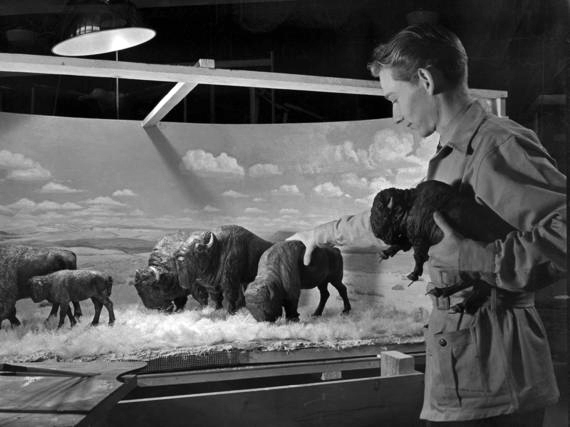
“A Museum staff member prepares a model diorama for one of the iconic scenes in the Hall of North American Mammals in 1939.” —American Museum of Natural History (source)
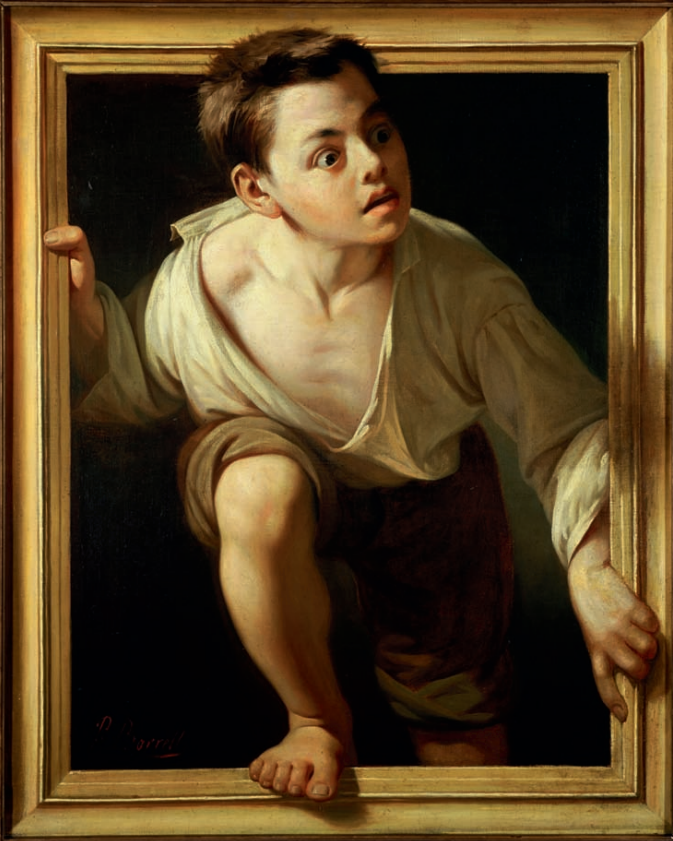
Pere Borrell del Caso: Escaping Criticism (1874) (source)


