
![Brygos - Rhyton [drinking vessel] in the shape of a dog's head (early 5th century BC) white background](https://corvusfugit.com/wp-content/uploads/2017/08/brygos-rhyton-drinking-vessel-in-the-shape-of-a-dogs-head-early-5th-century-bc-white-background1.jpg)
Brygos: Rhyton [drinking vessel] in the shape of a dog’s head (early 5th century BC) (source)
Brygos: Rhyton [drinking vessel] in the shape of a dog’s head (early 5th century BC) (source)
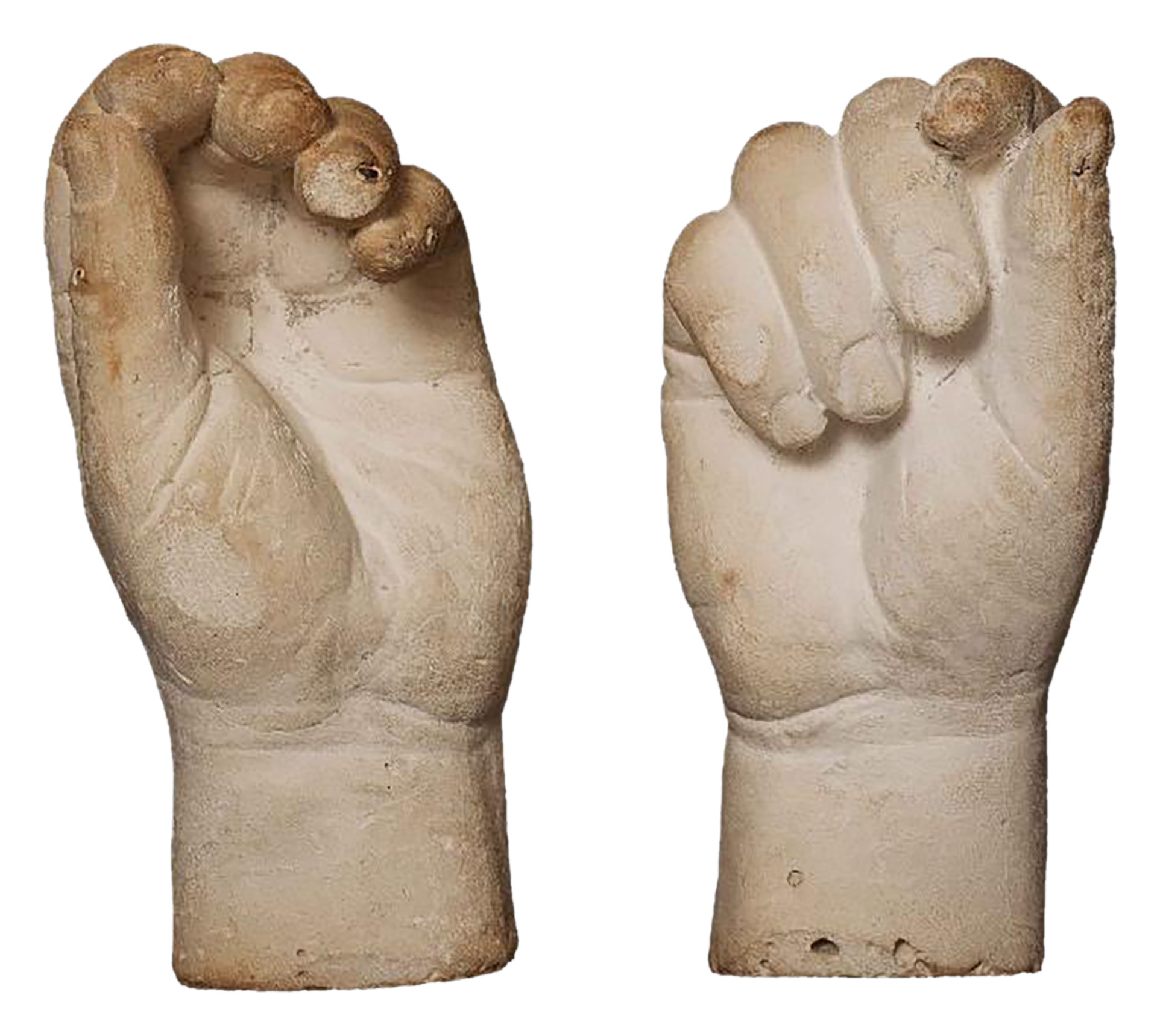
Born the son of a farmworker, Joseph Arch started work at the age of nine—first as a crow-scarer, then as a plough-boy. Eventually, he mastered a range of skills that allowed him to move around the Midlands and South Wales, where he observed the miserable working conditions of agricultural laborers: starvation wages; lack of education; and sanitary conditions not much better than those of the farm animals they tended.
After becoming popular as a Methodist lay preacher, Archer was asked to speak at a meeting of farmworkers in April of 1847. He expected a small gathering:
We settled that I should address the meeting under the old chestnut tree; and I expected to find some thirty or forty of the principal men there. What then was my surprise to see not a few tens but many hundreds of labourers assembled; there were nearly two thousand of them. The news that I was going to speak that night had been spread about; and so the men had come in from all the villages round within a radius of ten miles. Not a circular had been sent out nor a handbill printed, but from cottage to cottage, and from farm to farm, the word had been passed on; and here were the labourers gathered together in their hundreds. Wellesbourne village was there, every man in it; and they had come from Moreton and Locksley and Charlecote and Hampton Lucy, and from Barford, to hear what I had to say to them. By this time the night had fallen pitch dark; but the men got bean poles and hung lanterns on them, and we could see well enough. It an extraordinary sight, and I shall never forget it, not to my dying day. I mounted an old pig-stool, and in the flickering light of the lanterns I saw the earnest upturned faces of these poor brothers of mine faces gaunt with hunger and pinched with want all looking towards me and ready to listen to the words, that would fall from my lips. These white slaves of England stood there with the darkness all about them, like the Children of Israel waiting for some one to lead them out of the land of Egypt. I determined that, if they made a mistake and took the wrong turning, it would not be my fault, so I stood on my pig-stool and spoke out straight and strong for Union. My speech lasted about an hour, I believe, but I was not measuring minutes then. By the end of it the men were properly roused, and they pressed in and crowded up asking questions ; they regularly pelted me with them ; it was a perfect hailstorm. We passed a resolution to form a Union then and there, and the names of the men could not be taken down fast enough; we enrolled between two and three hundred members that night.
After further organizing and agitation across the country, the new union was named the National Agricultural Labourers Union, with Arch as its president. By 1874, the union had 86,214 members, more than ten percent of the farm labor force in Britain—and they were successfully organizing for better wages at farm after farm. Arch became a hero to laborers throughout Great Britain; his portrait was displayed in their homes and they celebrated him in song:
Joe Arch he raised his voice,
’twas for the working men,
Then let us all rejoice and say,
We’ll all be union men.
At the time, only property owners could vote in Britain, and Arch soon turned to advocating for the vote for farmworkers. The effort succeeded though the 1884 Parliamentary Reform Act—and Arch himself was elected as the Liberal Party MP for North-West Norfolk the next year, the first agricultural laborer to enter the House of Commons.
He sadly appears to have lost touch with his origins and came to be perceived as pompous and socially ambitious. He died in 1919. There is no record of how or why these plaster casts were made of his hands.
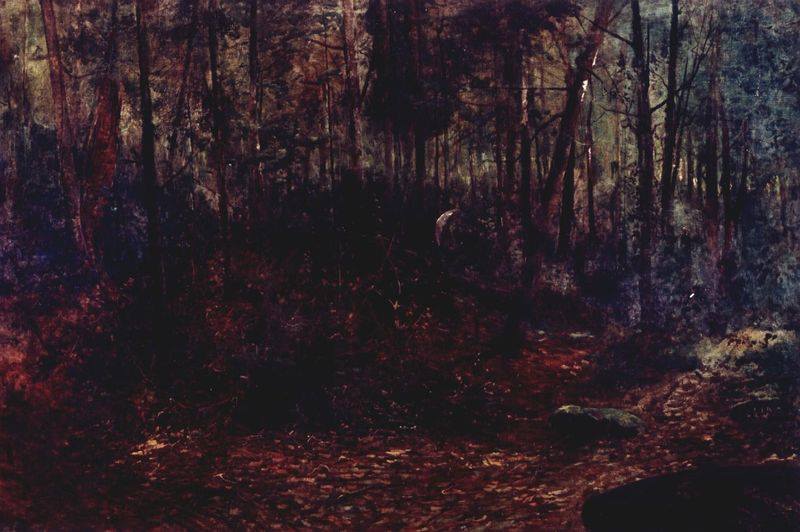
Antonio Parreiras: Outdoor School (1892)

Simon Alexandre Clément Denis: Study of Clouds with a Sunset near Rome (1786 – 1801)

Henri Cartier-Bresson: Paris, August 25 1944
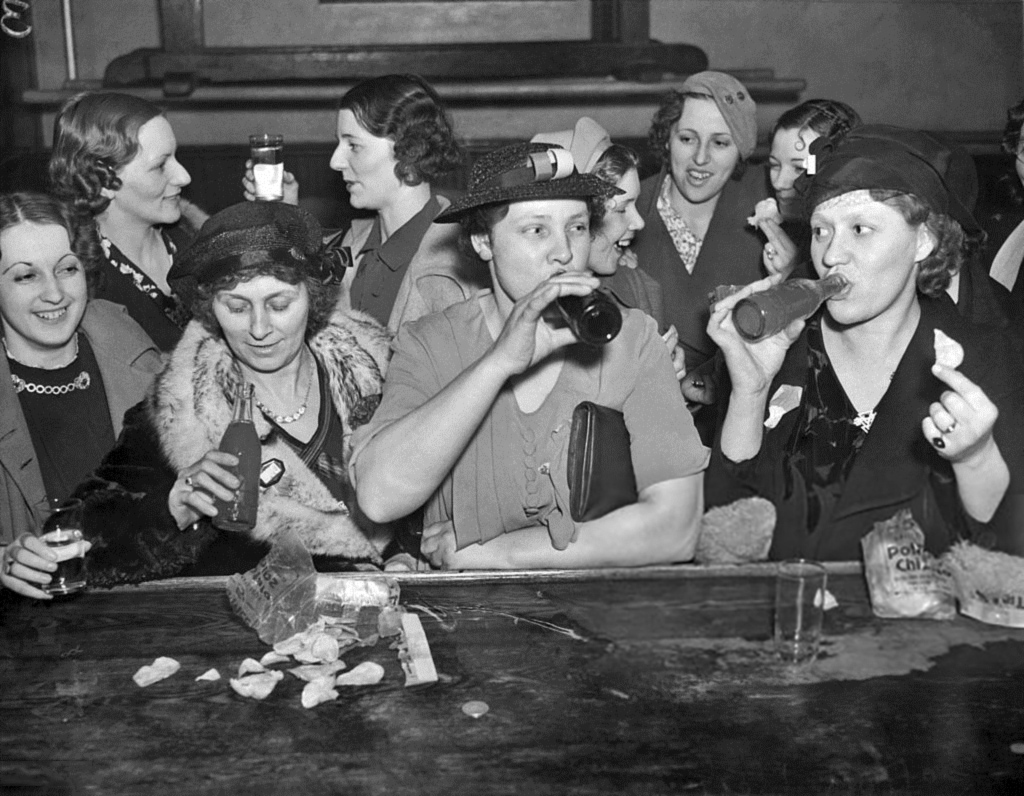
Workers’ wives celebrate end of CIO strike of Caterpillar Tractor Company
East Peoria, Illinois, April 9, 1937
When the historic UAW sit-down strike in Flint, Michigan, ended after a month and a half on February 11, 1937, it unleashed a wave of strikes and organizing across the country. In East Peoria, 11,500 workers went on strike on April 7, demanding recognition of the CIO at the Caterpillar Tractor Company. Workers occupied the plant while others picketed outside. Two days later, management recognized the union and the strike was over.
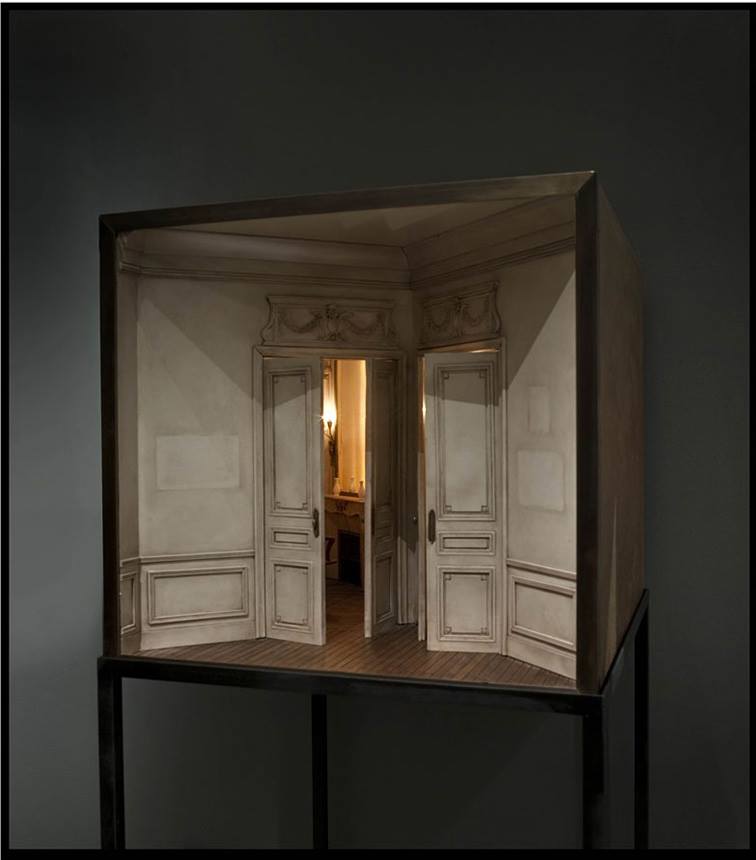
Charles Matton: Boulevard Saint Germain (3 doors) (1991)
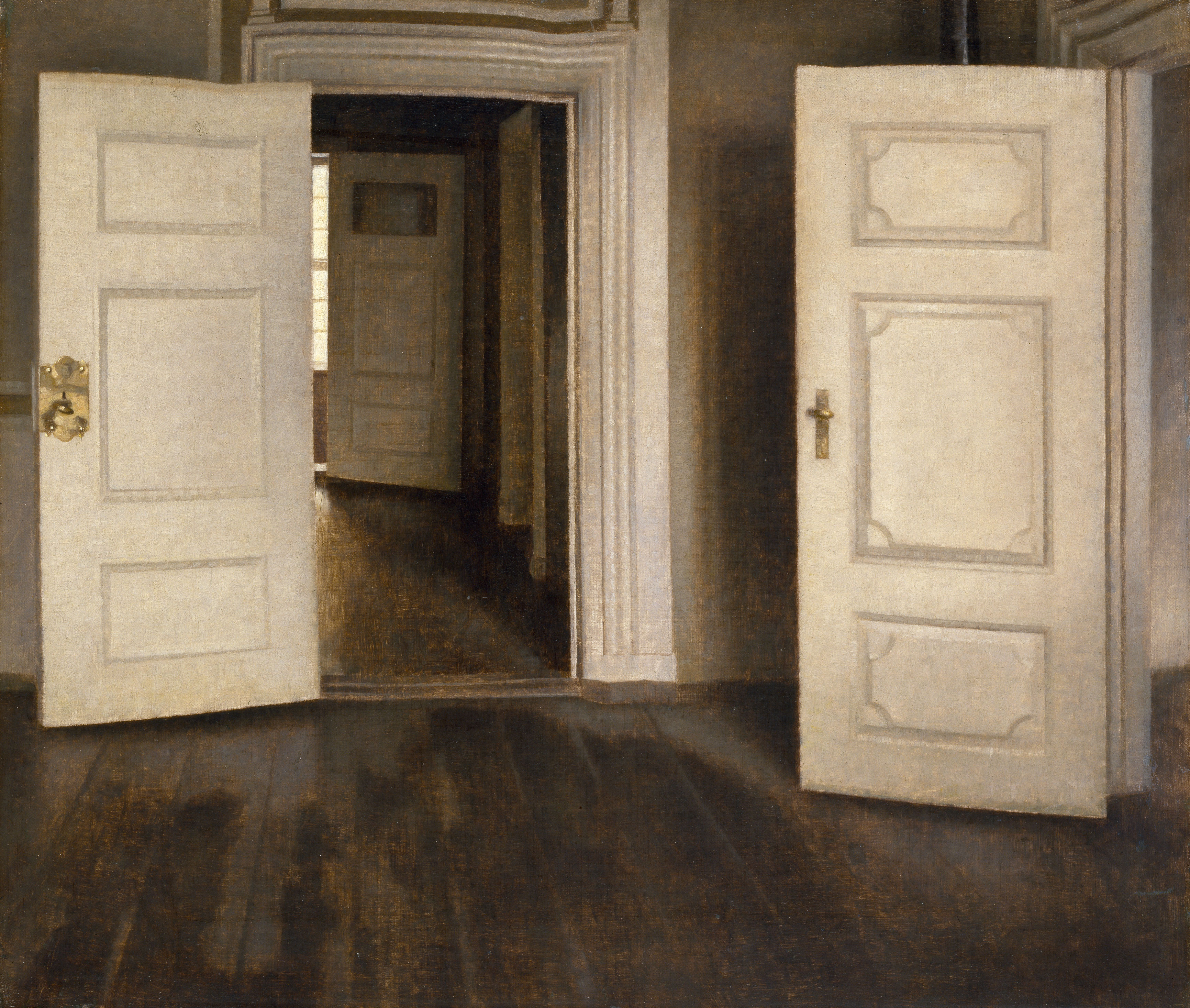
Vilhelm Hammershøi: Open Doors (1905)

Martin Johnson Heade: Blue Morpho Butterfly (c. 1864)
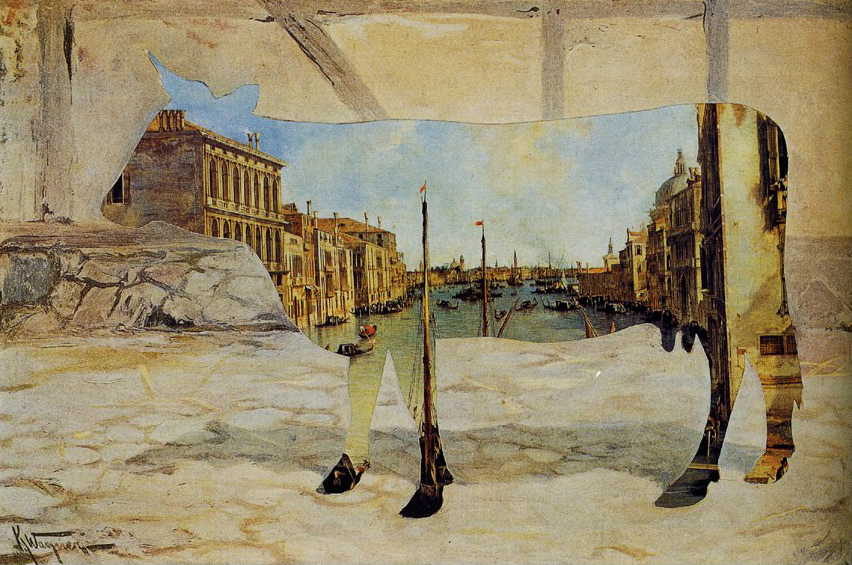
Jiri Kolar: Cow Having Eaten Up Canaletto (1968)

 corvusfugit.com